Hosts serving savoury toppings
Plain or rough oatcakes give cheese and spreads a biscuit base. Compare texture, ingredients and pack format rather than treating a sweet digestive as the same choice.


Choose plain oatcakes as a base for cheese or spreads, and digestives when you want a sweet biscuit with tea. Serving both covers those different roles. If a guest needs gluten-free food, check the exact pack rather than relying on the word “oat” or a wheat-free recipe, and ask whether they can eat oats.
The useful distinction is what each biscuit needs to do on the afternoon-tea table.
Plain or rough oatcakes give cheese and spreads a biscuit base. Compare texture, ingredients and pack format rather than treating a sweet digestive as the same choice.
A classic digestive fills the sweet-biscuit role. A fruit-and-seed oatcake is another option to serve without toppings, but its fruit and added sugar make it a different choice from a plain oatcake.
Look for an explicit gluten-free label on the exact product and establish whether the guest can eat oats. Coeliac UK notes that a small number of people remain sensitive even to gluten-free oats.
Plan the savoury and sweet parts of the spread separately, then check dietary requirements and how you will serve the biscuits.
| Priority | What to check | Your needs |
|---|---|---|
| Role on the table | For cheese or spreads, compare plain oatcakes and their stated textures. For a sweet biscuit with tea, compare digestives; for an oatcake served on its own, check fruit-and-seed ingredients. | I need a base for savoury toppings, a sweet biscuit to offer with tea, or both. A flavoured oatcake could be served on its own rather than used as a neutral base. |
| Guest requirements | Check the exact pack for ingredients, allergens and an explicit gluten-free claim where needed. Recipes differ: M&S lists wheat flour in its Scottish Oatcakes, while Waitrose lists barley malt in its Rough Oatcakes. | If a guest needs gluten-free food, I cannot judge an oatcake by its name. I also need to ask whether oats suit that guest; Coeliac UK notes that some people remain sensitive to gluten-free oats. |
| Serving format | Check the number of biscuits and any inner packs before planning servings. Sainsbury’s lists its Rough Oatcakes as four individually wrapped packs of six; follow the chosen pack’s storage directions after opening. | For a spread served in stages, I may want to open one group of biscuits at a time and store any leftovers as the pack directs. |
| Quantity and ordering | Compare pack weights and stated servings on the same basis. Confirm the intended product can be ordered in time for the event. | I need enough usable portions for the table, so the number on the pack matters alongside whether I can obtain that particular biscuit. |
An ordinary oatcake is not necessarily suitable for a guest who needs gluten-free food. Nairn’s says its Fruit & Seed recipe may contain traces of wheat, while Coeliac UK notes that some people are sensitive even to gluten-free oats.
Check for an explicit gluten-free label on the exact pack and ask the guest whether they can eat oats.
Plain oatcakes are used as bases for toppings, while classic digestives fill a sweet-biscuit role. Fruit-and-seed oatcakes add a less neutral flavour.
Decide what will accompany the cheese and what you want to serve with tea, then choose one or both styles accordingly.
Ingredients and allergen details can change, and a biscuit you planned to order may not be available when you need it.
Confirm availability before ordering and read the delivered pack, including its allergen information, before serving.
These product examples show why it is worth comparing individual recipes rather than judging every oatcake or digestive by its category name.
Its oatcake range includes plain, fruit-and-seed and explicitly gluten-free options.
Its Scottish Oatcakes and digestive biscuits cover different parts of an afternoon-tea spread.
Its Scottish Rough Oatcakes and classic digestives illustrate the savoury-base and sweet-biscuit choices.
Its Rough Oatcakes come in smaller wrapped groups; its Free From Digestives offer a different biscuit style.
Waitrose describes its Rough Oatcakes as a crunchy option for cheese toppings.
Its oatcakes and classic digestives have different ingredient and allergen profiles.
These options cover sweet digestives for tea, including a gluten-free-labelled version, and a cheese-flavoured oatcake for the savoury side of the spread. Check each pack against your guests’ requirements before serving.
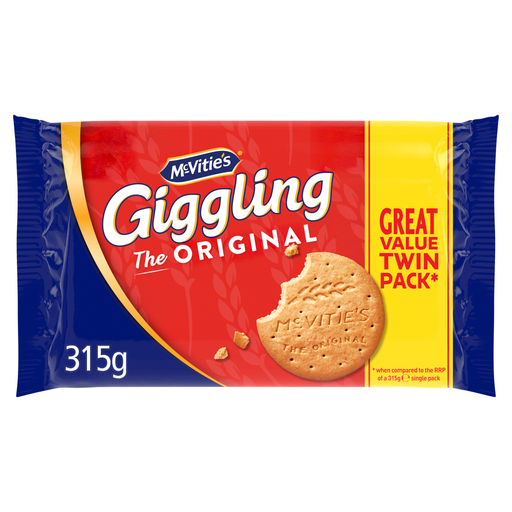 No image available
A classic digestive option for serving with tea. The twin-pack format is worth considering when planning portions; check the current pack’s ingredients for guests with dietary requirements.
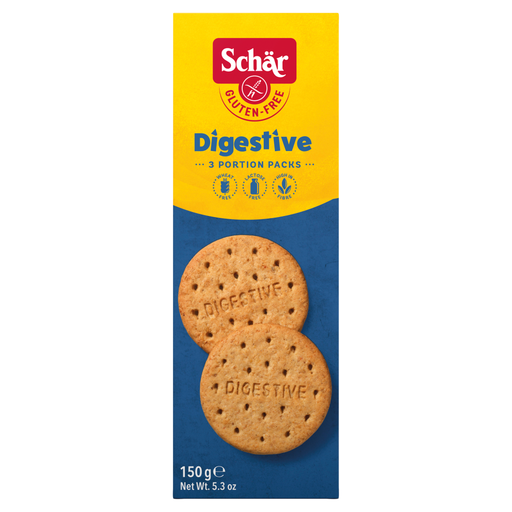 No image available
A gluten-free-labelled digestive for the sweet-biscuit part of the table, rather than an oatcake for toppings. Check the current pack for its full ingredients and allergen information before serving a guest with dietary requirements.
 No image available
A cheese-flavoured oatcake for the savoury side of the spread, not a plain base for every topping. The title identifies it as gluten-free; confirm the current pack’s ingredients and whether the guest can eat oats.
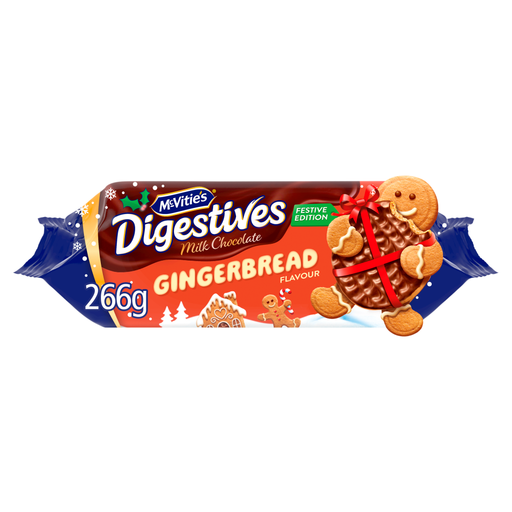 No image available
A gingerbread-and-chocolate digestive for guests who want a flavoured sweet biscuit with tea. It serves a different purpose from a neutral oatcake base; check the current pack for allergens.
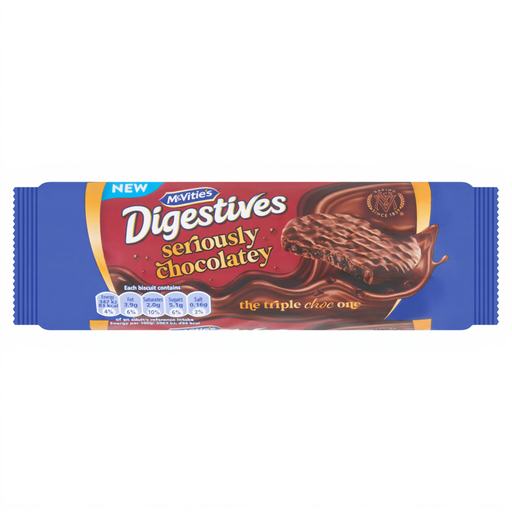 No image available
A chocolate digestive for the sweet-biscuit selection, rather than for savoury toppings. Compare its flavour with a plain digestive when planning what to put out, and read the current pack for allergen details.
No. The rough oatcakes described by Tesco and Waitrose are options for toppings, while the classic digestives in the checked UK listings are sweet biscuits. Choose according to what you plan to serve with them.
No preparation is needed to serve the packaged oatcakes described here; add toppings if you want them. For a guest with dietary requirements, check both the oatcake and any topping, and take care when serving them together.
No: the product name alone cannot establish that. Check an explicit gluten-free label on the current pack and ask whether the guest can eat oats; Coeliac UK notes that some people remain sensitive to gluten-free oats. The checked classic digestive examples contain wheat.
Follow the directions on the particular pack. The Sainsbury’s and Waitrose oatcakes described here direct consumers to keep opened biscuits in an airtight container.
Compare the number of biscuits or stated servings as well as pack weight, then plan separately for toppings and sweet biscuits. Inner packaging may matter if you intend to serve in stages: Sainsbury’s lists its Rough Oatcakes as four wrapped packs of six.