People stocking a communal tin
A conventional sweet biscuit and a separately kept plain oatcake serve different tea-break and lunch uses. Offering both avoids treating one flavour or texture as everyone’s preference.


Choose classic digestives for a ready-to-eat, sweet biscuit with tea or coffee; choose plain oatcakes for a less-sweet oat-based option that can also take toppings. For a mixed office, keeping the two types separately labelled gives colleagues a clearer choice. A standard wheat-free oatcake recipe is not necessarily gluten-free, so check the exact pack before sharing it with anyone who has an allergen or gluten-related requirement.
The useful choice depends on how colleagues eat the biscuits and whether anyone needs to check ingredients before taking one.
A conventional sweet biscuit and a separately kept plain oatcake serve different tea-break and lunch uses. Offering both avoids treating one flavour or texture as everyone’s preference.
Plain oatcakes can be eaten on their own or with toppings. Sainsbury’s lists 0.7 g sugars and 9 g fibre per 100 g for Nairn’s Fine Oatcakes; those figures describe that product, not every oatcake.
Keep each product’s current packaging available so colleagues can check its ingredients and warnings. Nairn’s distinguishes its standard oatcake recipe from its dedicated gluten-free range, and notes an avenin warning on the latter.
Choose when: The tin is mainly for a sweet biscuit that colleagues can take with tea or coffee without preparing a topping.
Bear in mind: The classic products described by Tesco, M&S and Waitrose use wheat ingredients; check the particular pack for its full allergen information.
Choose when: Colleagues want a plainer oat-based choice, either on its own or as a base for toppings.
Bear in mind: Nairn’s warns that oats in its standard wheat-free recipe can be contaminated with wheat; a gluten-free requirement calls for checking a specifically labelled pack.
| Priority | What to check | Your needs |
|---|---|---|
| Tea-break use | Check whether the pack is a plain digestive or an oatcake. M&S describes its digestive as made for dunking; plain oatcakes can also be used with toppings. | I want a biscuit colleagues can take straight from its pack with a hot drink, without bringing anything else. |
| Flavour and nutrition panel | Compare sugars and fibre per 100 g on the exact packs. Sainsbury’s lists 0.7 g sugars and 9 g fibre per 100 g for Nairn’s Fine Oatcakes; Waitrose lists 15.1 g sugars and 3.7 g fibre per 100 g for McVitie’s Original Digestives. | A plainer oat-based choice matters more to me than another sweet biscuit. The figures help me compare these two products, while flavour remains a separate decision. |
| Ingredients and allergens | Read the current ingredient list, gluten-free designation and cross-contact statements. The Food Standards Agency includes oats and wheat among cereals containing gluten for allergen-information purposes; a standard oatcake is not automatically gluten-free. | Before I put food out for colleagues, I need them to be able to identify the exact product and check whether it meets their requirements. |
| Pack and storage | Check the pack format and its instructions after opening. Sainsbury’s describes Nairn’s Fine Oatcakes as four pouches of seven; follow the chosen biscuit pack’s storage directions and retain its label. | Our tin may be topped up gradually, so I want to open only what we can use and keep the packaging with the biscuits. |
Nairn’s warns that oats used in its standard oatcakes can be contaminated with wheat. Its dedicated gluten-free oatcakes are a distinct product and carry an avenin warning.
For a confirmed gluten-free requirement, check the current label of a specifically gluten-free pack and confirm that its other ingredient and warning statements meet the colleague’s needs.
Loose biscuits can leave colleagues unable to identify which ingredient list or allergen statements apply. Sainsbury’s advises checking packaging because product ingredients can change.
Keep each original wrapper with its separately stored biscuits, or retain a clear image of the current pack label that identifies the exact product.
A sweet digestive for a hot drink and a plain oatcake for eating alone or with toppings answer different preferences. Neither format tells you what every colleague will take.
If cupboard space allows, keep modest quantities of each in clearly identified packs and adjust what you replenish to what colleagues actually use.
A saved product page does not establish what will be available when the tin needs refilling, and an older ingredient description may no longer match the pack.
Check the current listing when ordering and the physical label when the biscuits arrive, particularly if colleagues rely on ingredient information.
These brand and retailer examples show the kinds of packs to compare; a range name alone does not establish the ingredients or suitability of an individual product.
Nairn’s offers plain oatcakes as well as a separately labelled gluten-free oatcake range.
Tesco’s own-label digestives provide an example of a conventional, ready-to-eat biscuit for the tin.
Original Digestives represent the classic wheatmeal-biscuit choice rather than a plain oatcake alternative.
M&S describes its own-label digestives as a wholemeal biscuit made for dunking.
Waitrose lists own-label rough and seeded oatcakes alongside branded digestive products, offering examples from both sides of this choice.
These are digestive biscuits for the sweet-biscuit side of an office tin, including the plain Original and chocolate-coated variations. If you also want plain oatcakes, choose and label those separately rather than treating a chocolate digestive as the oatcake alternative.
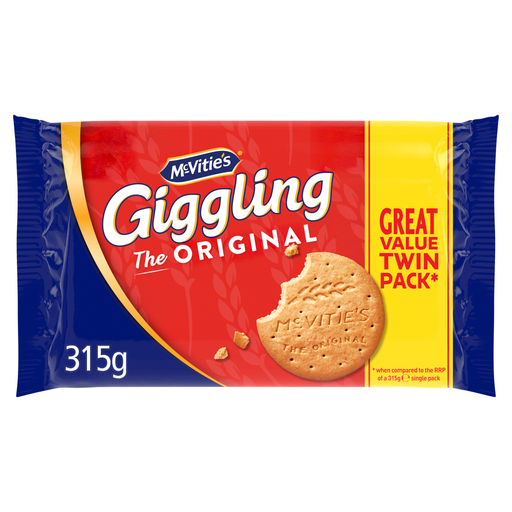 Image unavailable
A plain digestive option for a ready-to-eat tea-break biscuit. This is a 2x315g format; the Original Digestives ingredients listed by Waitrose include wheat, so keep the current pack label available for colleagues.
 Image unavailable
A dark-chocolate variation for colleagues who want a sweet biscuit rather than a plain digestive. The stated twin-pack format is 2 x 266g; check the exact wrapper for ingredients and allergens before placing either pack in a shared tin.
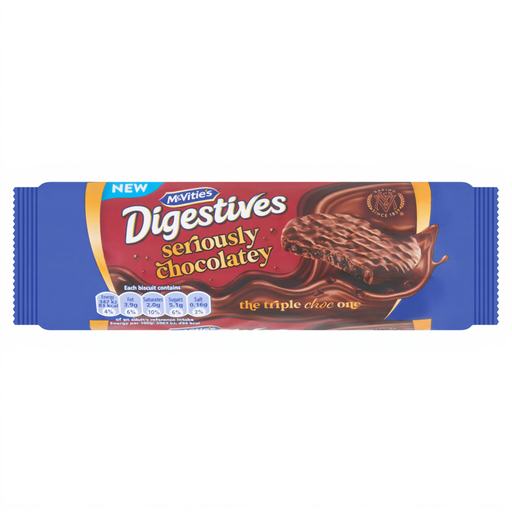 Image unavailable
A chocolate digestive variation rather than the plain biscuit considered in the main comparison. The pack is 250g; keep its own label with the biscuits so colleagues can check this variant’s ingredients.
 Image unavailable
A milk-chocolate digestive for the sweet-biscuit side of the tin. This is a 400g pack, not the plain Original; check its current ingredient and allergen label before sharing.
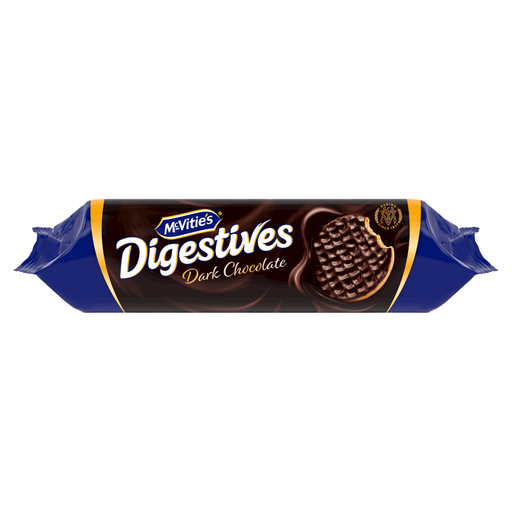 Image unavailable
A 400g dark-chocolate digestive option for colleagues choosing a sweet biscuit. It is a different pack format from the dark-chocolate twin pack; follow this pack’s storage directions after opening and retain its ingredient label.
No. Nairn’s warns that oats in its standard oatcake recipe can be contaminated with wheat, while its gluten-free oatcakes are a separately labelled product. Check the exact pack for a gluten-free requirement and note that Nairn’s says its gluten-free oatcakes are not suitable for people who react to avenin, a protein in oats.
Keep them separately identified, especially if a colleague relies on ingredient information or needs a product kept apart. The oatcakes and digestives described here have different ingredients and warnings; retaining each wrapper beside its biscuits lets colleagues check the product they are taking.
Follow the storage directions on the chosen pack and keep its label with the biscuits. The product information described for M&S, Tesco and McVitie’s digestives calls for airtight storage after opening; do not assume the same directions apply to every oatcake pack.
No single nutrition figure settles the office-tin choice. Sainsbury’s lists 0.7 g sugars per 100 g for Nairn’s Fine Oatcakes, while Waitrose lists 15.1 g per 100 g for McVitie’s Original Digestives, but the products serve different flavour and topping preferences. Compare the exact packs, then choose according to how colleagues will use them.