Tea drinkers choosing a sweet biscuit
A classic digestive is a sweet biscuit to eat as supplied. If you prefer oats but still want a sweet biscuit, compare sweet oat biscuits with digestives rather than treating them as plain oatcakes.


Choose a plain oatcake if you want a base for a topping, or a classic digestive if you want a sweet biscuit to eat with tea. The Tesco and Sainsbury’s plain oatcakes examined here list less sugar and more fibre per 100g than their classic digestives, but the topping, portion size, salt and allergens also matter.
A classic digestive is a sweet biscuit to eat as supplied. If you prefer oats but still want a sweet biscuit, compare sweet oat biscuits with digestives rather than treating them as plain oatcakes.
A plain oatcake gives you a base for a savoury or sweet topping. Compare the complete snack, including the topping and the number of oatcakes you plan to eat.
Check the exact pack’s cereal ingredients and precautionary allergen statements. An oat-based product, or one made to a wheat-free recipe, is not automatically suitable for someone who must avoid gluten.
Start with the snack you want to eat, then compare exact packs on the same nutrition basis and check the ingredients.
| Priority | What to check | Your needs |
|---|---|---|
| Sweetness and toppings | Compare sugars per 100g and read the product description. Tesco lists 0.8g sugars per 100g for its Scottish Rough Oatcakes and 15.3g for its Digestive Biscuits; a topping changes the comparison. | I want a biscuit I can eat straight away with tea, or a plainer base so I can choose the topping myself. |
| Fibre and portion | Compare fibre per 100g, then check the weight of each biscuit or oatcake. Sainsbury’s lists 10.4g fibre per 100g for its Rough Oatcakes and 3.1g for its Digestives; individual pieces need not weigh the same. | Per-biscuit figures help me judge the portion I am likely to have, rather than relying on the word ‘digestive’. |
| Cereal ingredients | Read the current ingredients, allergen statements and any explicit gluten-free label. M&S Scottish Oatcakes list wheat flour, while Waitrose Rough Oatcakes list barley malt. | If I am serving someone who avoids particular cereals, I need to check that exact pack before offering it. |
| Pack format | Check for wrapped inner packs and follow the storage instructions after opening. Sainsbury’s lists four wrapped packs of six for its Rough Oatcakes. | For occasional tea breaks, I would consider how much of the pack I need to open at once. |
A biscuit’s name does not establish that it will relieve digestive symptoms. The NHS discusses fibre as part of a varied diet, not a treatment effect from digestive biscuits.
Choose by taste, ingredients and the labelled nutrition; seek appropriate health advice about persistent symptoms rather than choosing a biscuit to manage them.
M&S Scottish Oatcakes list wheat flour, Waitrose Rough Oatcakes list barley malt, and Nairn’s warns of possible wheat cross-contact for its Rough Oatcakes.
For an allergy or coeliac-related requirement, check the current pack’s ingredients, precautionary statements and explicit gluten-free status.
A plain oatcake with a topping is a different snack from an oatcake on its own. The topping affects what you eat alongside the oatcake.
Decide what you would put on it, then compare the complete snack and portion with the digestive you would otherwise choose.
A topping may also mean an additional purchase.
A listing may not reflect the pack available when you order. Tesco’s Digestive Biscuits listing, for example, showed the product out of stock when examined.
Check availability when ordering, and read the delivered label before serving, particularly where allergens matter.
These examples show why a brand name alone cannot settle the choice: plain oatcakes, sweet oat biscuits and digestives have different ingredients and uses.
Nairn’s lists both plain Rough Oatcakes for toppings and sweet Original Oaties. They are different products, so compare their labels separately.
Tesco lists Scottish Rough Oatcakes and plain Digestive Biscuits, allowing a comparison between a plain base and a sweet biscuit.
Sainsbury’s lists rough oatcakes in wrapped inner packs as well as plain digestives.
M&S lists Scottish Oatcakes for toppings and Digestive Biscuits that it describes as made for dunking.
Waitrose lists Rough Oatcakes that can be used as a base for a topped tea-break snack.
These options include flavoured oatcakes, digestive biscuits and sweet oat biscuits for a tea break. Flavoured oatcakes are not the same choice as the plain oatcakes discussed above; compare each exact pack.
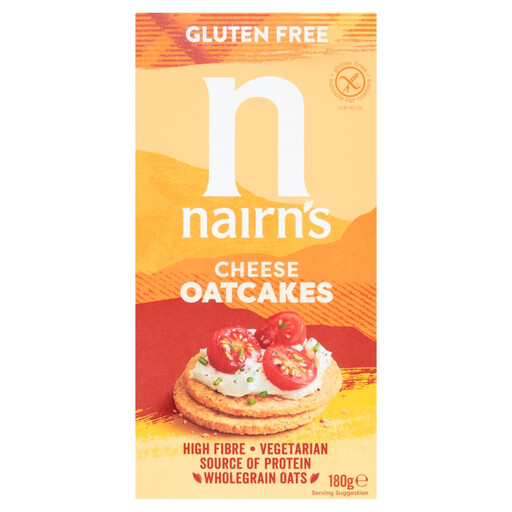 Image unavailable
A cheese-flavoured oatcake for someone considering a savoury tea-break snack. The product name identifies it as gluten-free; check the current pack’s ingredients and allergen information for the person eating it.
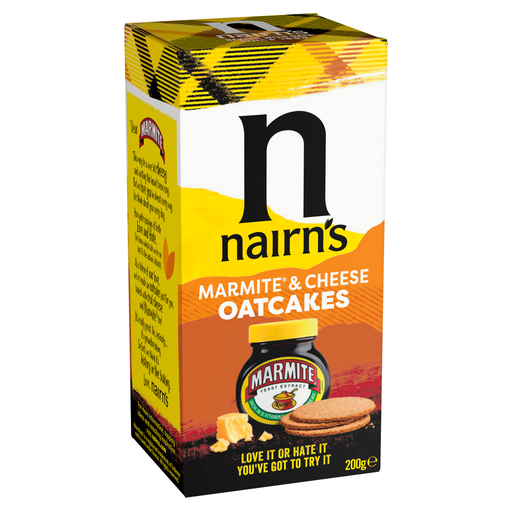 Image unavailable
The named Marmite and cheese flavour makes this a different choice from a plain oatcake intended as a neutral topping base. Check the pack’s cereal and other allergen information before serving.
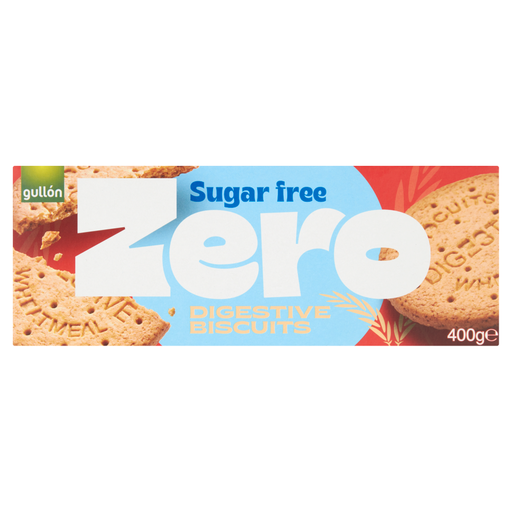 Image unavailable
A digestive-biscuit option for eating with tea rather than building a topped oatcake snack. It is named as a sugar-free variety, not the classic plain digestive used in the label comparisons above; check its nutrition and ingredients on the current pack.
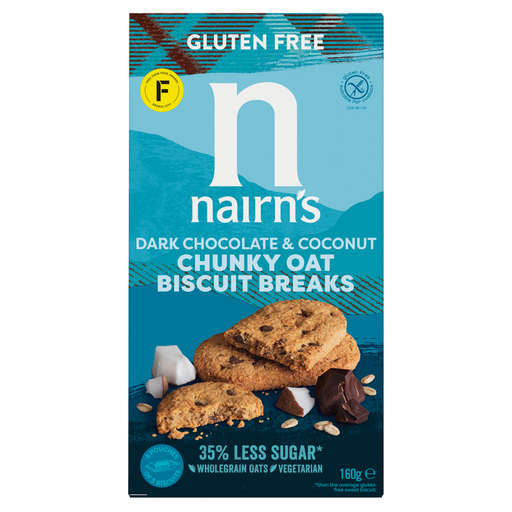 Image unavailable
A flavoured oat-biscuit option rather than a plain oatcake for toppings. The name identifies a gluten-free variety; check the exact pack’s ingredients and allergen statements, including whether oats themselves are suitable for the person eating it.
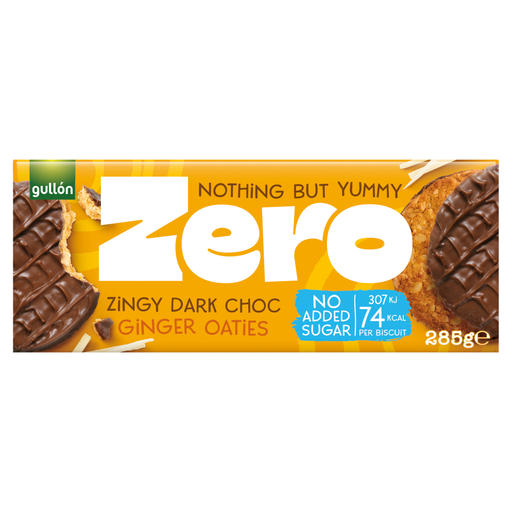 Image unavailable
A dark-chocolate-and-ginger oat biscuit for someone considering a flavoured option with tea. It is not interchangeable with a plain oatcake when comparing sugar or other nutrition values; use this product’s own pack for that comparison.
Their name is not a reason to choose them to manage digestive symptoms. The NHS discusses getting fibre from a variety of foods; it does not establish a digestive benefit for these biscuits.
The packaged Scottish oatcakes discussed here are presented as ready to eat or top, with no cooking step specified. If you add a topping, consider its ingredients and portion as part of the snack.
Follow that pack’s storage instructions. The Tesco, Sainsbury’s, M&S and Waitrose listings examined here specify cool, dry storage and/or an airtight container after opening; Sainsbury’s Rough Oatcakes also have wrapped inner packs.
No. Some oatcakes list wheat or barley ingredients, while others have cross-contact warnings. For a gluten-free requirement, check the exact pack’s ingredients and labelling; the Food Standards Agency states that food labelled ‘gluten-free’ must contain no more than 20mg/kg gluten as sold, and gluten-free oats are still oats.