Who is each option for?
The guest’s preference and dietary requirements matter more than whether the packet says “oatcake” or “digestive”.
Guests who prefer a savoury tea option
A plain oatcake gives you a base for a topping instead of a sweet biscuit. If the guest dislikes a coarse crisp texture, Nairn’s describes its Fine Milled Oatcakes as thinner and less coarse than its Rough Oatcakes. They are still crisp oatcakes, not a soft-food option.
Hosts comparing fibre and sugars
Compare nutrition panels per 100g rather than relying on the product name. The Nairn’s oatcakes and M&S and Tesco plain digestives discussed below have different fibre and sugars values; the portion served and any oatcake topping also affect the final plate.
Hosts checking dietary requirements
Read the current ingredients and allergen information before serving. An ordinary oatcake is not interchangeable with one specifically labelled gluten-free, and someone following a prescribed low-fibre diet needs their individual dietary instructions followed.
What should you compare?
Start with the kind of tea-time food the guest wants, then compare texture, the relevant nutrition panel and the current pack’s dietary information.
| Priority | What to check | Your needs |
|---|
| Savoury or sweet |
Decide whether the food is a base for a topping or a sweet biscuit in its own right. Check how any topping changes what you serve. |
I’m planning cheese or a spread, so a plain oatcake makes sense. If the guest wants a sweet biscuit to dunk, I’d choose a digestive instead. |
| Texture |
Nairn’s describes its Fine Milled Oatcakes as thinner and less coarse than its Rough Oatcakes. Check whether the guest enjoys a coarse or seeded crunch; a fine-milled oatcake is still crisp. |
For someone who dislikes a grainy texture, I’d start with a less coarse oatcake rather than assume a rough or seeded one will appeal. |
| Fibre and sugars |
Compare the same per 100g basis: Nairn’s lists 9.0g fibre and 0.7g sugars for Fine Milled Oatcakes, and 10.4g fibre for Rough Oatcakes. M&S lists 3.2g fibre and 18.2g sugars for its plain Digestives; Tesco lists 3.7g fibre and 15.3g sugars for its plain Digestives. |
I want to compare the actual packs, not assume every digestive has the same recipe. I’ll also consider the serving size and any topping. |
| Individual diet |
Check for prescribed fibre restrictions before choosing a fibre-rich option. Hull University Teaching Hospitals NHS Trust’s low-fibre guidance identifies wholemeal or seeded crackers and bran-containing biscuits, including digestives, as foods to avoid in that diet. |
If my guest follows a low-fibre plan, I’ll use their current clinician or dietitian instructions instead of swapping a digestive for an oatcake on my own. |
| Allergens |
Read the current ingredients, gluten-free labelling and cross-contact statements. A wheat-free recipe does not establish that a standard oatcake is gluten-free; check whether the individual can eat oats. |
Where gluten or another allergen matters, I need a product whose current pack meets the guest’s requirements, not a choice based on its category name. |
Brand and retailer references
These product examples help distinguish textures, ingredients and nutrition panels; a brand name alone does not settle which pack suits a guest.
Nairn’s
Nairn’s has fine-milled, rough and separately labelled gluten-free oatcake options.
- Nairn’s describes its Fine Milled Oatcakes as thinner and less coarse than its Rough Oatcakes. Its Rough Oatcakes list 10.4g fibre per 100g.
- Do not assume a standard Nairn’s oatcake is gluten-free. Check the particular pack’s ingredients and allergen statements.
Waitrose
Waitrose’s own-label rough and seeded oatcakes give shoppers two different crisp textures to compare.
- Waitrose lists 9.2g fibre per 100g for Rough Oatcakes and 10.3g per 100g for Seeded Oatcakes; the seeded recipe includes flaxseed, sunflower seeds and chia seeds.
- Seeds change the texture and ingredients to check. Waitrose advises reading the pack because product information can change.
M&S
M&S plain Digestives represent the sweet, crunchy biscuit option rather than a savoury topping base.
- M&S describes its Digestives as crisp and crunchy.
- Its listed panel gives 18.2g sugars and 3.2g fibre per 100g. Compare those figures with the particular oatcake or biscuit you intend to serve.
Tesco
Tesco plain Digestives are another conventional biscuit example for afternoon tea.
- Tesco lists 15.3g sugars and 3.7g fibre per 100g for its Digestive Biscuits.
- The listed ingredients include wheat and milk, with a may-contain warning for peanuts and nuts. Check the current pack before serving.
Joybuy product options
These Joybuy options include flavoured oatcakes, a sugar-free digestive and an oat-based breakfast cereal biscuit. They are not all plain oatcakes or classic plain digestives, so choose by the food and serving style you actually want.
 No image available
Nairn’s Gluten Free Cheese Oatcakes 180g
A cheese-flavoured oatcake to consider when you want a savoury option rather than a plain base for toppings.
The title identifies this variant as gluten-free, but check the current pack and whether the guest can eat oats before serving.
View on Joybuy
 No image available
Gullon Zero Sugar Free Original Digestives 400g
A sugar-free-labelled digestive option for a guest who wants a biscuit rather than a savoury oatcake.
It is a different recipe from the M&S and Tesco plain digestives compared above. Check its current nutrition panel, ingredients and any sweetener or allergen warnings before serving.
View on Joybuy
 No image available
Nairn’s Marmite & Cheese Oatcakes 200g
The Marmite and cheese flavour makes these oatcakes a more specific savoury choice than an unflavoured base.
Check that the flavour suits the guest and read the current allergen information. The flavour name does not establish whether this variant has a rough or seeded texture.
View on Joybuy
 No image available
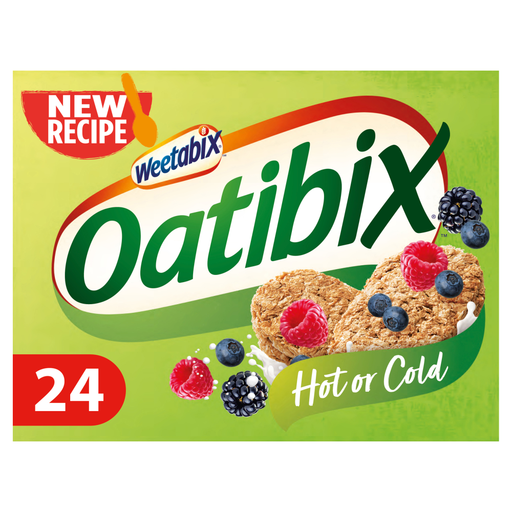
Weetabix Oatibix 24 Biscuits 600g
Oatibix is an oat-based breakfast cereal biscuit, not a traditional oatcake for savoury toppings or a plain digestive for dunking.
Choose it only if that cereal-biscuit format suits the planned tea, and check the current ingredients for dietary requirements.
View on Joybuy
Frequently asked questions
Are oatcakes always a better choice than digestives for an older guest?
No. Choose a plain oatcake for a savoury topping base, or a digestive when the guest wants a sweet biscuit. For a like-for-like nutrition check, Nairn’s lists 9.0g to 10.4g fibre per 100g across its Fine Milled and Rough Oatcakes, while M&S and Tesco list 3.2g and 3.7g per 100g for their plain digestives. Texture preferences and individual dietary instructions still matter.
Which oatcake should I try for someone who dislikes a coarse texture?
A fine-milled oatcake is a sensible crisp option to consider: Nairn’s describes its Fine Milled Oatcakes as thinner and less coarse than its Rough Oatcakes. That description does not make them suitable for someone who needs soft food or a medically modified texture; follow individual clinical advice in those cases.
Can someone on a low-fibre diet have oatcakes instead of digestives?
Do not make that substitution without checking their individual diet plan. Hull University Teaching Hospitals NHS Trust’s low-fibre guidance identifies wholemeal and seeded crackers and bran-containing biscuits, including digestives, among foods to avoid in that context. Follow the person’s current clinician or dietitian instructions.
Are ordinary oatcakes gluten-free?
Do not assume they are. Nairn’s standard Fine Milled and Rough Oatcakes are distinct from its specifically labelled Gluten Free Original Oatcakes, and the standard products warn that wheat traces cannot be guaranteed absent. Check the current pack and whether the individual can eat oats.
What should I check on the pack before serving?
Check the current ingredients, allergen and may-contain statements, nutrition panel, best-before date and storage instructions. Recipes and product information can change, so use the pack you are serving rather than assuming an earlier listing still applies.


