Tea drinkers choosing a plain biscuit
If you usually eat your biscuit without toppings, decide whether you want the sweet wheatmeal taste of a digestive or the plainer taste and crisp texture of an oatcake.


Choose a classic digestive if you want a sweet wheatmeal biscuit to eat plain with tea. For toppings, a fine-milled oatcake offers a thinner, crisp texture, while a rough oatcake offers a coarser base; if you need to avoid gluten, check for an explicit gluten-free label rather than relying on the word “oatcake”.
If you usually eat your biscuit without toppings, decide whether you want the sweet wheatmeal taste of a digestive or the plainer taste and crisp texture of an oatcake.
A fine-milled oatcake gives you a thinner base for a light topping. Consider a rough or traditional oatcake when you want a coarser base for something savoury.
If you need to avoid gluten, wheat or milk, check the exact product’s ingredients and allergen statements. A wheat-free recipe is not, by itself, a gluten-free label.
Start with how you plan to eat the biscuit or oatcake, then compare the pack’s ingredients, nutrition panel and allergen information.
| Priority | What to check | Your needs |
|---|---|---|
| Eating style | Check whether the product is a sweet digestive, a crisp oatcake or a soft Staffordshire-style oatcake. Read the serving and storage instructions for the format you choose. | I want something to eat plain with tea, use under a topping or fill and roll; those are different jobs. |
| Oatcake texture | Look for fine-milled, thin or rough descriptions. Nairn’s describes its Fine Milled Oatcakes as thinner and crispier; its Rough Oatcakes contain 90% wholegrain oats. | For a light topping, I would consider a thinner crisp base. With a savoury topping, I may prefer a coarser one. |
| Sugars and ingredients | Compare sugars per 100 g on the exact packs, alongside any per-biscuit figure. Tesco lists 15.1 g sugars per 100 g for the examined McVitie’s Original Digestives 360g; Nairn’s lists 0.7 g per 100 g for its examined Rough Oatcakes 250g. | I want to know how a sweet wheatmeal biscuit differs from a plain oatcake without assuming every digestive or oatcake has the same recipe. |
| Allergens | Read the current ingredients and allergen emphasis, plus any “may contain” statement. Check for an explicit gluten-free label when required; also check wheat and milk information for the particular product. | If I need to avoid an ingredient, the name “oatcake” or a wheat-free recipe is not enough to make that choice. |
| Storage | Check whether the pack calls for cool, dry storage or refrigeration, and follow its instructions after opening. Soft Staffordshire-style oatcakes are a different format from shelf-stable crisp oatcakes. | I need a product whose storage instructions work for when and how I plan to serve it. |
A soft, rollable Staffordshire-style oatcake serves a different purpose from a crisp oatcake eaten with tea or used under a topping.
Check the texture, serving suggestions and storage instructions before choosing a pack.
Nairn’s distinguishes its standard oatcakes from its expressly labelled gluten-free range and gives wheat-trace precautions for standard products.
If gluten-free status is required, choose a product explicitly labelled gluten free and check the current pack’s allergen and cross-contact statements.
The examined McVitie’s Original Digestives 360g list 15.1 g sugars per 100 g, while the examined Nairn’s Rough Oatcakes 250g list 0.7 g per 100 g. These figures describe those products, not every product in either category.
Compare the ingredients and nutrition panels on the packs you are considering, using per-100-g figures on the same basis.
Recipes and allergen information can change, so a listing may not describe the pack you receive.
Read that pack’s ingredients and allergen statements before eating it or serving it to someone with an allergy or intolerance.
These examples show why the product name and exact recipe matter more than the brand alone.
Nairn’s offers fine-milled, rough and separately labelled gluten-free oatcakes.
The examined Original Digestives offer a sweet wheatmeal-biscuit alternative to a plain oatcake.
The examined Scottish Oatcakes are a traditional-style option for eating with toppings.
Waitrose listings illustrate the distinction between crisp oatcakes and soft Staffordshire-style products.
The examined Orkney Thin Oatcakes provide another crisp, thin format for toppings.
These Joybuy options include plain and chocolate digestives, a sugar-free digestive variant and cheese-flavoured gluten-free oatcakes. Choose by the format and flavour you want, then check the individual pack for dietary requirements.
 No image available
A digestive variant to consider if you want to compare a sugar-free-labelled biscuit with a classic sweet digestive. Check the current pack’s ingredients, allergen information and sweetener advice.
 No image available
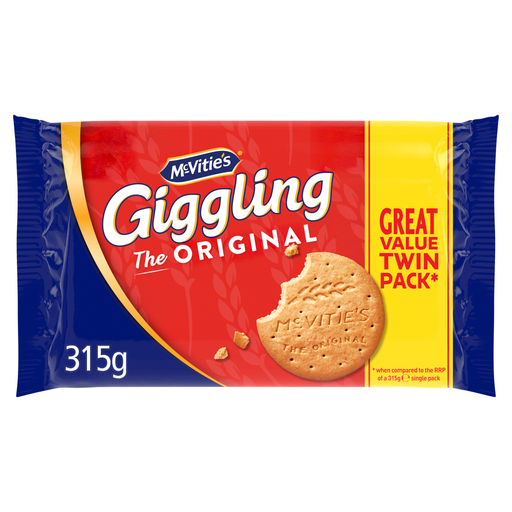
A plain digestive bundle for eating with tea without toppings. This is a 2 x 315g bundle; check its own nutrition and allergen label rather than transferring figures from a differently sized pack.
 No image available
Choose this format if you want a dark-chocolate digestive rather than a plain biscuit or oatcake. The twin pack contains 2 x 266g; check the pack’s ingredients and allergen information.
 No image available
A milk-chocolate digestive for someone choosing a chocolate-topped biscuit with tea. Check the 400g pack’s ingredients, nutrition panel and allergen information if you are comparing it with the plain version.
 No image available
A cheese-flavoured oatcake to consider for a savoury tea-time option rather than a sweet digestive. The 180g product is labelled gluten free; check the pack’s full ingredients and allergen statements for your requirements.
Choose a classic digestive for a sweet wheatmeal biscuit eaten plain. Choose a fine-milled oatcake for a thinner crisp base with a light topping, or a rough oatcake if you prefer a coarser base; check the particular product’s ingredients if that affects your choice.
Do not assume they are: the word “oatcake” and a wheat-free recipe do not establish gluten-free status. If you require gluten-free oatcakes, look for an explicit gluten-free label and read the current pack’s allergen and cross-contact information.
No. The examined Staffordshire-style oatcakes are soft and intended for fillings, unlike crisp Scottish-style oatcakes. Check the format and storage instructions before buying.
Read the ingredients and allergen statements on the pack you receive, including any cross-contact warning. Recipes differ between digestives and oatcakes and can differ between products from the same brand.
Follow the instructions on the exact pack. The examined digestive listing calls for cool, dry storage and an airtight container after opening, while the examined soft Staffordshire-style oatcakes have chilled-storage instructions.