People who prefer a savoury snack or a topping
A plain rough oatcake gives you a base to eat as it is or top yourself. Check the finished snack, not just the oatcake, when comparing ingredients and portions.


Choose a plain oatcake if you want a less sweet base for a topping, or a digestive if you would rather have a sweet biscuit with your tea: Marks & Spencer describes its digestive as made for dunking. For a gluten-free requirement, neither product category is sufficient on its own—check the claim and allergen information on the exact pack.
A plain rough oatcake gives you a base to eat as it is or top yourself. Check the finished snack, not just the oatcake, when comparing ingredients and portions.
If a sweet, wholemeal-style biscuit with tea is the point of the break, a digestive fits that preference more directly. Marks & Spencer describes its digestive as made for dunking.
Choose by the exact product’s gluten-free claim, rather than assuming an oatcake is suitable because it contains oats. Read the oat and precautionary allergen information too; gluten-free oatcakes and digestives can carry different warnings.
Start with how you want to eat the snack, then compare the exact packs by portion, ingredients and any dietary claim you need.
| Priority | What to check | Your needs |
|---|---|---|
| Sweetness and format | Compare sugars per oatcake or biscuit as well as per 100g. Decide whether you want a plain base, a seeded oatcake or a biscuit intended for dunking. Nairn’s lists 0.1g sugars per Rough Oatcake; Tesco lists 1.3g per McVitie’s The Light One digestive. | I would rather add my own topping to a plain oatcake. If the biscuit itself is the treat, I might prefer a digestive with my tea. |
| Oats and fibre | Read the ingredient list for oat content and the nutrition panel for fibre per piece. Nairn’s lists 90% wholegrain oats and 1.1g fibre per Rough Oatcake; Tesco lists 1.2g fibre per McVitie’s The Light One biscuit. | I want to compare what is in the pieces I would actually eat, rather than assuming all oatcakes or digestives have the same recipe. |
| Gluten and allergens | Look for an explicit gluten-free claim when required, then read ingredients and precautionary warnings. The Food Standards Agency notes that oats remain an allergen even in food labelled gluten-free. | I need to check the exact pack for the ingredients and warnings relevant to me; an oat-based name or a wheat-free recipe does not settle the question. |
| Portion and toppings | Compare the stated per-piece values and the number of pieces you plan to have. Nairn’s lists 46kcal per Rough Oatcake, Waitrose lists 47kcal per Rough Oatcake, and Tesco lists 70kcal per McVitie’s The Light One biscuit. Account for any topping separately. | Two oatcakes with a topping are a different snack from one plain oatcake. I want the comparison to reflect what will be on my plate. |
Standard oatcakes can contain gluten-containing ingredients. Nairn’s says its Rough Oatcakes recipe contains no wheat but does not guarantee that the ingredients are wheat-free.
If you require gluten-free food, check for that claim on the exact pack and read its full allergen and precautionary statements.
Oatcakes and biscuits are eaten as individual pieces, and the cited products give different per-piece values. A per-100g figure alone does not describe the portion you choose.
Read both sets of values, then count the pieces and include anything you add.
Tesco describes McVitie’s The Light One as having 30% less sugar than the average digestive biscuit. Its listing also gives 70kcal per biscuit and identifies wheat ingredients; the sugar comparison does not answer those separate questions.
If that biscuit appeals to you, check the rest of its nutrition panel and ingredients against your own buying priorities.
A topping adds its own ingredients and nutrition to an oatcake. Comparing a topped oatcake with a plain biscuit on the oatcake’s label alone leaves out part of the snack.
Decide whether you will eat the oatcake plain or topped before comparing portions and allergens.
These examples illustrate different oatcake and digestive styles; their details apply to the named products, not every item made by each brand.
Its Rough Oatcakes offer a plain oatcake example, while its separately labelled Gluten Free Oatcakes address a different requirement.
Its Rough and Seeded Oatcakes illustrate a choice between a plainer oatcake and one with seeds in the recipe.
The Light One is a digestive-biscuit option for shoppers comparing sugar information while keeping the digestive format.
Its Digestive Biscuits illustrate the sweet, wholemeal-style biscuit route for a tea break.
Its cited Free From Digestives offer a separately labelled gluten-free digestive style made with gluten-free oat flour.
These options include gluten-free oatcakes and biscuits, a sugar-free-named digestive and a savoury flavoured oatcake. The Hobnobs are an oaty biscuit alternative, not a digestive or an oatcake.
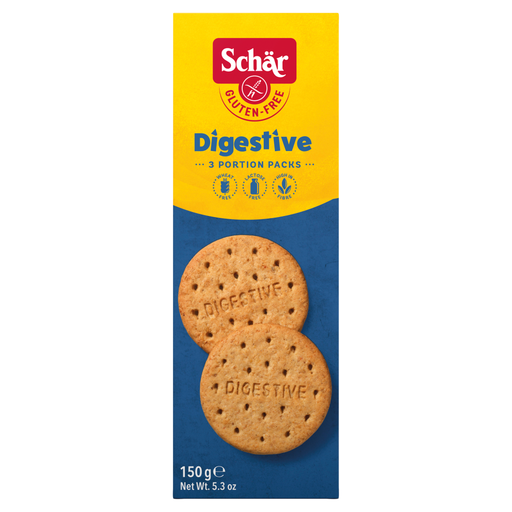 No image available
A digestive-biscuit option whose name specifies gluten-free. Check the pack’s ingredients and other allergen warnings if they matter to your choice.
 No image available
A cheese-flavoured oatcake option, rather than a neutral base, with gluten-free stated in its name. Read the exact pack for its oat, milk and precautionary allergen information.
 No image available
A digestive option for comparing sugar declarations without switching to an oatcake. Read the nutrition panel and ingredients rather than treating the product name as an answer to every dietary question.
 No image available
A Marmite-and-cheese-flavoured oatcake for someone who wants flavour in the oatcake itself. It is not a substitute for a plain topping base; check the pack’s ingredients and allergens.
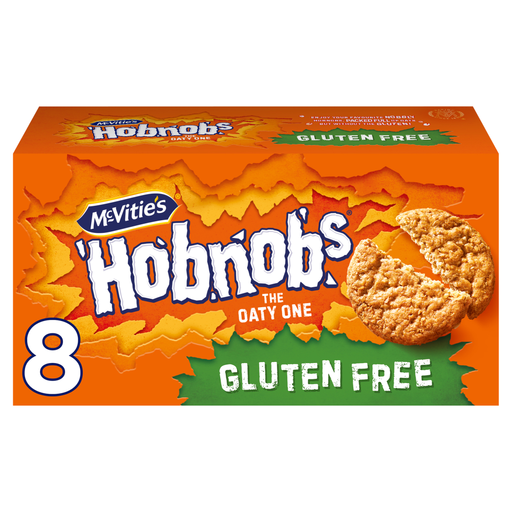 No image available
An oaty biscuit alternative with gluten-free stated in its name, rather than an oatcake or digestive. Check its other allergen information and per-biscuit values before comparing it with either category.
No single category settles the choice. A plain oatcake suits a topping-friendly break, while a digestive suits someone who wants a sweet biscuit with tea. Compare the exact products’ ingredients and per-piece values, including any topping you intend to add.
A digestive is the more direct match if you want the traditional biscuit experience: Marks & Spencer describes its Digestive Biscuits as made for dunking. Choose an oatcake when a plainer base or your own topping matters more.
No. Check for a gluten-free claim on the exact product and read the full allergen information. Nairn’s does not guarantee wheat-free ingredients for its standard Rough Oatcakes, while its separately labelled Gluten Free Oatcakes carry milk and avenin warnings.
Not necessarily. The cited Nairn’s Gluten Free Oatcakes may contain milk, while Tesco says its Free From Digestives may contain peanuts and nuts. Check the current pack of whichever product you choose.
Compare the number of oatcakes or biscuits you plan to eat, using their per-piece nutrition where stated, then account separately for the topping. An oatcake’s own label does not describe the finished topped snack.