
24/7 Customer Support

Free returns

Same-day & Next-day Delivery

Quality Guaranteed

Unlock Your Welcome Offers: FREE Delivery | Up to 80% OFF | Free 30-day JoyPlus trial
Download the APP
Choosing between oatmeal and porridge oats may seem straightforward, but the pack format, ingredient list and preparation method can make a noticeable difference to your breakfast routine. A large bag of plain oats may offer flexibility, while porridge sachets can save time on busy mornings. Flavoured oatmeal may be convenient, but it can also contain more sugar than expected.
This guide highlights the main buying pitfalls and compares suitable options for different UK households, from students and commuters to families looking for organic porridge oats.
A product described as oatmeal may contain more than oats. Instant mixes can include sugar, non-dairy creamer, maltodextrin, salt, flavourings or other grains. Always check the ingredients list and the quantitative ingredient declaration where available.
For example, some flavoured oatmeal products list rolled oats as the main ingredient but also include sugar and flavourings. This does not make them unsuitable, but it is important to compare like for like.
Plain wholegrain oats typically contain very little naturally occurring sugar. However, flavoured products may include added sugar, dried fruit or sweetened ingredients. Compare the “of which sugars” value per 100g and per serving rather than relying only on front-of-pack wording.
Golden syrup, berry and chocolate-style flavours can suit those prioritising taste and convenience, but plain oats give you more control over toppings such as banana, cinnamon, berries or nut butter.
A 2kg multipack can be economical for a family or regular porridge eater, while a small box of porridge sachets may be more practical for a student kitchen, office drawer or occasional use. Larger packs also need suitable airtight storage after opening to protect the oat flakes from moisture and strong odours.
The main types include:
Preparation instructions matter. Some products require simmering for four to five minutes, while instant products may only need boiling water or a short microwave cycle.
Under UK food labelling requirements, ingredients are listed by weight, and regulated allergens must be emphasised. Look for declarations covering oats, wheat, barley, soya, milk, nuts and sesame, particularly in multigrain or flavoured oatmeal.
People seeking organic porridge oats should check that the product is labelled organic and carries the relevant certification details. Those avoiding dairy should distinguish between plain oats, dairy-containing sachets and products made with non-dairy creamer.
Use both figures when comparing products. A standard serving can vary considerably between brands. Useful fields include:
For a simpler ingredient profile, plain wholegrain oats are usually easier to customise. For speed, single-serve packs provide portion guidance and reduce preparation time.
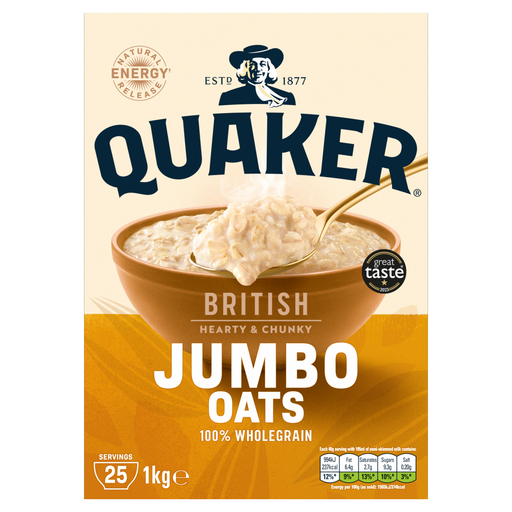
Why This Fits Their Persona: A versatile 1kg pack suits first-time buyers, shared flats and families who want one product for porridge, overnight oats and baking.
The ingredient list is 100% wholegrain oat flakes, with no flavouring or sweetened mix to hide in the formula.
Per 100g, it provides 9g fibre and 11g protein; the large flakes can be used in several recipes.

Why This Fits Their Persona: The two 1kg bags are suited to regular porridge eaters who value an organic ingredient profile and a substantial household supply.
It contains 100% organic wholegrain oat flakes, rather than a sweetened or heavily flavoured instant blend.
The stated nutrition per 100g includes 8.3g fibre, 11g protein and less than 0.01g salt.

Why This Fits Their Persona: Eight individually portioned sachets work for commuters, gym-goers and anyone wanting a quick breakfast porridge with a stated protein value.
The pack states 22g protein per 100g and identifies soya protein in the ingredients, making the protein source easier to assess.
Each sachet contains 9g protein according to the product information and takes around 2½ minutes in a microwave.
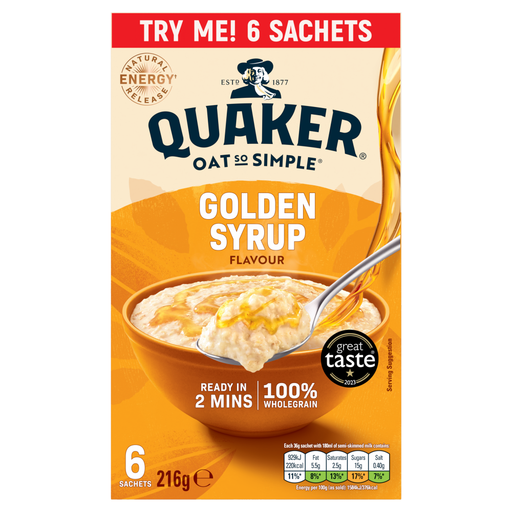
Why This Fits Their Persona: The six sachets are practical for portion-controlled breakfasts at work, in student accommodation or during travel.
The 81% wholegrain rolled oat content is stated clearly, while the nutrition panel shows 18g sugars per 100g for a straightforward comparison.
The pack instructions specify 180ml water or milk and approximately two minutes in the microwave.
We have compiled a complete, real-time list of products that fully satisfy these strict selection criteria and UK safety regulations.
They are closely related, but the texture and processing can differ. Porridge oats may refer to rolled oats, oat flakes or finer oatmeal prepared as a hot dish. Check the pack description and cooking instructions to understand whether the product is designed for hob cooking, microwave preparation or simply adding hot water.
For a quick breakfast porridge, choose instant oatmeal or porridge sachets with clear microwave or boiling-water instructions. Plain rolled oats usually take longer, but can be prepared in advance as overnight oats. Follow the stated water or milk quantity because using too little liquid can produce a thick, uneven texture.
Store oats in a cool, dry place and reseal the inner bag or transfer them to an airtight container. Use the manufacturer’s best-before guidance, and check for unusual odour, moisture, insects or changes in appearance before preparing them. Larger packs are most suitable when you eat oats regularly; smaller packs can reduce cupboard storage time for occasional users.