Holiday-cottage hosts stocking flexible breakfasts
Hosts who need a shelf-stable breakfast base for different guests can prioritise plain 100% oats, clear allergen information and separately controlled toppings instead of pre-sweetened products.


For the most controllable lower-free-sugar cottage breakfast, choose plain 100% oats and keep sweet toppings separately portioned. The NHS distinguishes free sugars in ingredients such as honey and syrups from naturally occurring sugars shown in the total-sugars figure for foods such as milk; choose quick-cook oats or original no-added-sugar sachets when speed and the available kitchen equipment matter, and check each pack for allergen information.
Hosts who need a shelf-stable breakfast base for different guests can prioritise plain 100% oats, clear allergen information and separately controlled toppings instead of pre-sweetened products.
Plain oats or clearly labelled no-added-sugar original oats can make the ingredients easier to control. Check milk and toppings separately, because total-sugars figures also include naturally occurring sugars from foods such as milk.
Plain quick-cook oats or original no-added-sugar sachets can suit limited breakfast time or unfamiliar kitchens, provided the cottage has the stated hob, microwave or hot-water equipment.
Choose when: You want control over sweetness and the cottage has a hob or microwave.
Consider: Guests need to measure oats and liquid, and sweet toppings can still add free sugars to the finished bowl.
Choose when: Short stays, simple portions or microwave-led breakfasts make speed the priority.
Consider: Sachets create individual packaging, and prepared values can be higher when milk is included.
Choose when: Reduced sugar is not the main requirement, or the exact ingredients have been checked.
Consider: Honey and syrups count as free sugars according to the NHS, and some granolas use them in baking.
| Priority | What to check | Your needs |
|---|---|---|
| Free-sugar control | Read the ingredient list for sugar, honey, syrups and sweetened cereal ingredients. Compare nutrition information on the same basis, such as per 100g, and remember that total sugars do not identify free sugars on their own. | I want a plain base where guests can decide whether to add fruit, honey or syrup. The NHS notes that milk sugars appear in total-sugars figures but are not classed as free sugars. |
| Preparation method | Check the stated hob, microwave or hot-water method, portion size and preparation time. For sachets, confirm that a suitable microwave, bowl and stirring utensil are available. | A breakfast should work in the cottage kitchen without asking guests to improvise. Quick-cook flakes and sachets can suit short stays when their preparation instructions match the equipment. |
| Allergen information | Read the current allergen statement and any may-contain warning on every pack. Check for an explicit gluten-free claim only where that status is needed. | I need guests to be able to inspect ingredient, allergen and best-before information themselves. Ordinary oats should not be assumed suitable for every gluten, wheat, barley or nut-related dietary requirement. |
Total sugars on a label can include naturally occurring sugars in milk, fruit and vegetables as well as free sugars. A bowl made with milk may therefore show more total sugars than dry oats even when no sugar has been added.
Check the ingredients for sugar, honey, syrup and similar sweeteners first, then compare nutrition values on a like-for-like basis such as per 100g dry product.
Oat-based products can get sweetness or crunch from honey, golden syrup and other ingredients that count as free sugars. Dorset Cereals says some of its granolas use honey or golden syrup during baking.
Use plain oats as the default base, offer sweet toppings separately and inspect the current ingredient list for each flavoured, baked or granola product.
Ordinary oat products can carry different warnings for wheat, barley, other gluten sources or nuts. The Food Standards Agency identifies oats as a possible concern for people with an oat or gluten allergy or intolerance.
Where appropriate, ask guests to communicate dietary requirements, keep unopened retail packaging available and verify the exact product's allergen and free-from information before purchase.
Quick formats can rely on a microwave, hot water or a stated preparation method, while individual portions create more packaging than a large oat pack.
Match the format to the cottage: use bulk plain oats where cooking equipment is available, and use original no-added-sugar sachets where rapid microwave preparation is genuinely useful.
A plain-oat reference for cottages where a large basic pack and a retailer nutrition panel are useful.
Offers traditional rolled oats alongside Original Oat So Simple sachets for microwave-led self-catering breakfasts.
A reference for hosts seeking plain oats with a faster-cooking texture rather than a sweetened convenience cereal.
A reference for shoppers seeking a plain organic wholegrain oat option instead of flavoured porridge.
Offers traditional wholegrain rolled oats as well as oat-based cereals, making the exact product type important for a reduced-sugar brief.
Relevant mainly as an oat-based cereal alternative rather than a plain-porridge-oat reference.
These Joybuy options cover plain oat packs and a portioned original sachet format for lower-free-sugar holiday-cottage breakfasts, with separate choices for standard and explicitly gluten-free oat packs.
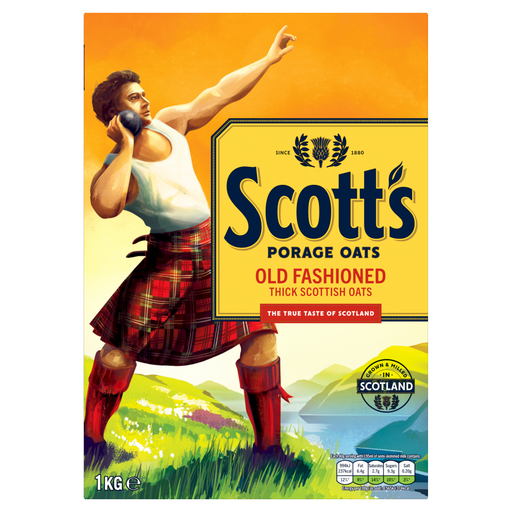 No image available
A plain rolled-oat option for cottages where guests may use either a hob or microwave and choose their own toppings.
 No image available
A portioned plain-oat choice for short stays where a suitable microwave, bowl and stirring utensil are available.
 No image available
An explicitly gluten-free and wheat-free plain-oat option for hosts who need that stated status on a shared cottage pantry product.
 No image available
A larger plain-oat supply for hosts stocking breakfasts across more than one stay and keeping toppings under separate control.
 No image available
A simple pantry-sized plain-oat base for cottages with suitable cooking equipment and separately chosen toppings.
No. No added sugar refers to sugars added during manufacture, while the total-sugars figure can include naturally occurring sugars in oats, milk, fruit and other ingredients. For a lower-free-sugar choice, check the ingredient list for sweeteners such as sugar, honey and syrups as well as the nutrition panel.
Plain rolled oats suit cottages with a hob or microwave where hosts want the greatest control over ingredients. Quick-cook oats or plain original sachets can suit speed and simple portions, but check the stated cooking method and equipment first.
Do not assume so. The Food Standards Agency identifies oats as an allergen-related gluten risk, and ordinary oat products can carry warnings for wheat, barley, other gluten sources or nuts. For a guest requiring gluten-free food, choose only a product explicitly suitable for that purpose after checking the current pack.
Follow the instructions on the exact pack. Waitrose advises storing its oats in a cool, dry place and transferring them to an airtight container once opened; keep labelled packaging or ingredient, allergen and best-before information available to guests.
No. The NHS classifies sugars in honey and syrups as free sugars, while whole fruit contains naturally occurring sugars. Offer toppings separately so guests can choose what and how much to add.