
24/7 Customer Support

Free returns

Same-day & Next-day Delivery

Quality Guaranteed

Unlock Your Welcome Offers: FREE Delivery | Up to 80% OFF | Free 30-day JoyPlus trial
Download the APP
A suitable OBD2 car diagnostic scanner can help you understand warning lights, inspect live vehicle data and complete selected maintenance tasks at home or in a workshop. However, product listings often use similar phrases for very different capabilities.
A basic automotive code reader may only access the engine ECU, while a full system car scanner can communicate with modules such as ABS, SRS, transmission and body control. Before buying, focus on the functions your vehicle and repair work actually require rather than choosing by screen size or brand claims alone.
Clearing a diagnostic trouble code does not repair the underlying problem. Some low-cost readers can erase a warning light but cannot display live data, freeze-frame information or access non-engine systems. If you need to investigate intermittent faults, look for live data, freeze-frame records, vehicle information and system-level scanning.
A scanner may advertise ABS, SRS, TPMS, transmission or battery access, but supported functions vary by make, model, year and ECU configuration. The same applies to an ECU coding tool, maintenance reset tool or active test diagnostic tool. Always check compatibility by VIN where possible, particularly before using coding, immobiliser or calibration functions.
“Free updates” can refer only to a limited period or selected software. Other products offer lifetime free updates, while some professional tablets include a defined update period before renewal is required. Also check whether the tool is a global or regional version and whether FCA security-gateway access requires a separate AutoAuth account.
For a UK vehicle, confirm support for EOBD/OBD2, CAN and the relevant manufacturer systems. Petrol cars generally use OBD2-compatible systems from the applicable registration period, while diesel coverage and model-specific functions can differ.
Newer vehicles may require CAN FD for faster communication or DOIP diagnostic tool support, which uses Ethernet-based vehicle communication. These protocols are useful for selected modern vehicles but do not automatically guarantee coding or active tests.
A conventional vehicle diagnostic scanner receives information from the car. A bi-directional scan tool can also send commands to supported components. This may allow an operator to activate a cooling fan, operate a window, test a solenoid or command another actuator.
Availability is vehicle-specific, and active tests should be performed only when you understand the component and safety implications. For routine fault reading, bi-directional control may be unnecessary; for workshop troubleshooting, it can be a valuable time-saving function.
A Bluetooth OBD2 scanner offers convenient wireless use with a phone or tablet, but it relies on app compatibility, account registration and a stable mobile device. Dedicated tablets generally provide a larger interface and may store diagnostic reports locally.
Check the OBD port voltage range, operating system requirements and battery capacity. For ECU coding or module programming, use a suitable battery maintainer and avoid disconnecting the scanner during a software operation. Confirm whether updates are lifetime, time-limited or subscription-based before checkout.
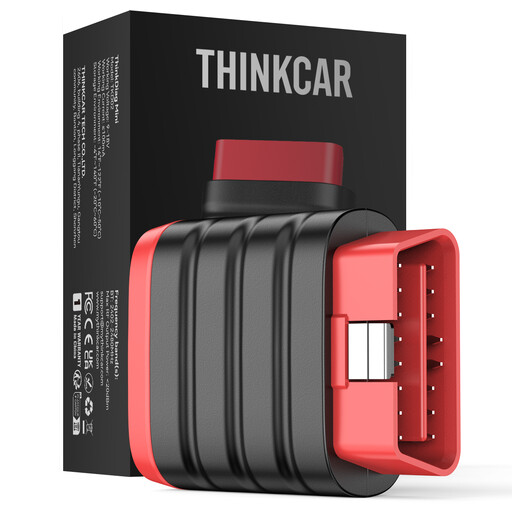
Why This Fits Their Persona: Its compact Bluetooth format suits DIY owners who want to use an iOS or Android phone for occasional checks at home or on the roadside.
It specifies full-system diagnostics, DTC reading and clearing, live data, battery voltage testing and VIN auto-detection rather than only engine-code access.
Bluetooth 5.0, iOS and Android support, 22 languages and a stated lifetime free update service. It does not include maintenance resets or special functions.
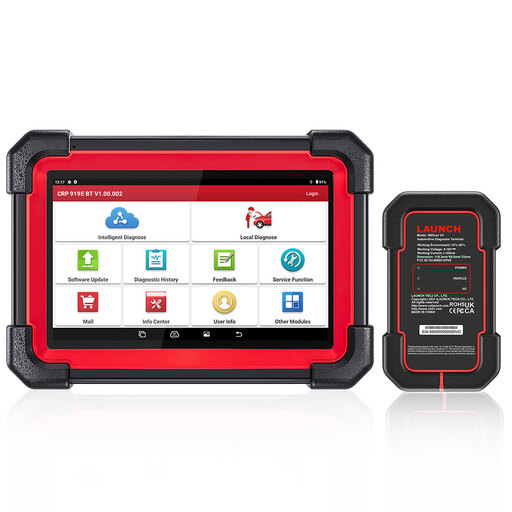
Why This Fits Their Persona: A dedicated tablet suits enthusiasts and independent garages needing a structured interface for repeated full-vehicle diagnosis.
Its listing separates full-system diagnosis, active tests, ECU coding and reset functions, with compatibility still dependent on the individual vehicle.
7-inch touchscreen, Bluetooth VCI, CAN FD and DOIP support, Auto VIN and more than 31 listed service functions.
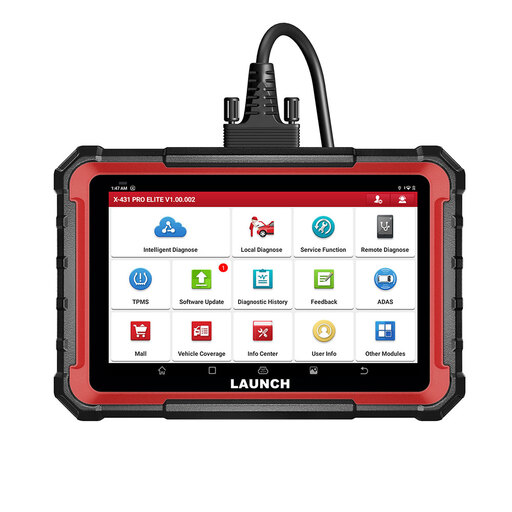
Why This Fits Their Persona: Its larger tablet format and workshop-oriented functions are suited to mobile mechanics, small garages and frequent diagnostic work.
The stated two-year free update period is clear, and the tool identifies vehicle-dependent availability for ECU coding, active tests and service functions.
8-inch display, 4GB RAM, 64GB storage, CAN FD and DOIP support, active tests, ECU coding and remote diagnostic capability.
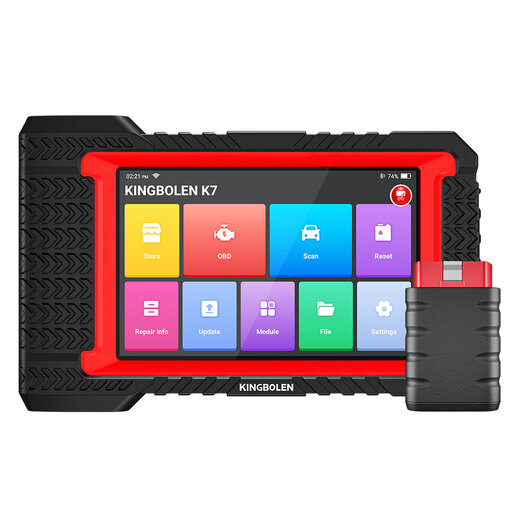
Why This Fits Their Persona: It combines a standalone tablet, wireless diagnosis and broad maintenance coverage for owners who carry out regular servicing across several vehicles.
It states lifetime updates and lists coverage limits, battery requirements and VIN compatibility checks for coding and active testing.
Bluetooth connection, full-system scanning, ECU coding, bi-directional tests, 28 listed resets and FCA AutoAuth support.
We have compiled a complete, real-time list of products that fully satisfy these strict selection criteria and UK safety regulations.
Many UK petrol vehicles and a large number of diesel vehicles use compatible EOBD systems, but full-system access and special functions are model-dependent. Check the manufacturer, model, engine and VIN before purchase.
Not always. Some Bluetooth adapters and scanners specify lifetime free updates, while others include a limited update period followed by optional renewal. Basic functions may continue after an update period, but confirm the exact terms on the product page.
It may clear the stored code, but the light can return if the fault remains or the vehicle detects it again. Use the code, live data and repair information to identify the cause before resetting the system.