
24/7 Customer Support

Free returns

Same-day & Next-day Delivery

Quality Guaranteed

Unlock Your Welcome Offers: FREE Delivery | Up to 80% OFF | Free 30-day JoyPlus trial
Download the APP
A warning light on the dashboard can create an expensive guessing game. An inexpensive code reader may identify a fault code, but it may not access the ABS, SRS, transmission or body control modules. At the other end of the market, a feature-heavy professional car diagnostic tool may include functions you never use, while charging for software access later.
This guide explains what to check before buying an OBD2 car diagnostic scanner, whether you are a DIY car owner, used-car inspector, mobile mechanic or independent garage.
Many products described as a car code reader only communicate with the engine ECU. This can be enough for a check-engine light, but it will not necessarily read an airbag, braking, gearbox or parking-brake fault.
If you want broader coverage, look for a full-system OBD2 scanner that clearly lists access to systems such as ECM, TCM, ABS and SRS. Even then, availability depends on the vehicle’s make, model, equipment and software coverage.
A scanner may list oil reset, DPF regeneration, injector coding or battery registration. These are not universal functions. The menu can vary by vehicle, engine, ECU and region.
Before ordering, check the exact VIN with the seller where possible. This is particularly important for ABS SRS transmission scanner functions, ECU coding and immobiliser-related work.
“Free updates” can mean different things. Some tools offer lifetime free updates for specified functions; others include updates for a limited period and then require renewal. Secure vehicle gateways may also require separate manufacturer authorisation, such as FCA AutoAuth.
Check what remains usable after an update period ends, whether the app requires an account, and whether special functions carry additional charges.
For occasional fault checks, standard OBD2 modes such as reading and clearing DTCs, freeze-frame data, live data and I/M readiness may be sufficient. A vehicle fault code reader with AutoVIN can also reduce manual vehicle selection.
For deeper troubleshooting, look for:
An I/M readiness screen can show whether emissions monitors are complete, but it does not guarantee that a vehicle will pass a UK MOT. Clearing codes shortly before an inspection may also reset monitors and make them incomplete.
A modern CAN FD diagnostic tool can communicate with some newer vehicle networks that use larger, faster CAN frames. DoIP uses Ethernet-based communication and may be relevant to selected newer vehicles.
These features can improve compatibility, but they do not make a scanner universal. Confirm the vehicle list, protocol support and required cables before purchase. For some secure gateway systems, a separate account or authorisation may be needed.
A basic scanner reads information. A bidirectional scan tool can also send commands to supported vehicle components, such as cooling fans, windows, fuel pumps or air-conditioning clutches. This can help identify whether a component responds, but active tests should follow the vehicle’s repair procedures.
ECU coding is more sensitive. It may be used for configuration or module replacement on selected vehicles, but incorrect coding can cause faults. Maintain a stable battery supply and use VIN-specific compatibility information before starting.
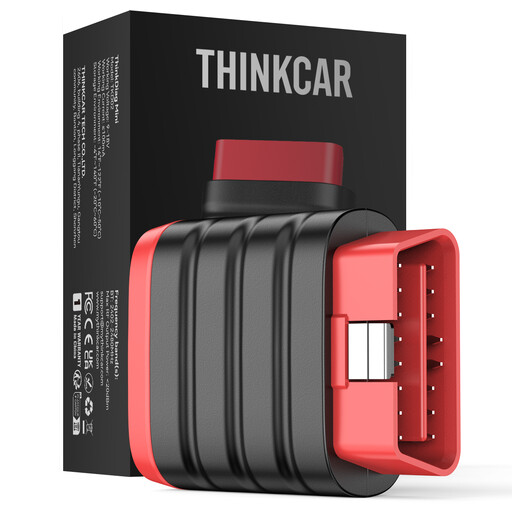
Why This Fits Their Persona: A compact Bluetooth OBD2 scanner for UK drivers who want full-system checks through an iOS or Android phone without buying a tablet-style unit.
It states full-system diagnostics, live data and battery-voltage testing rather than limiting use to engine codes. It does not include maintenance resets or special functions, so expectations are clear.
Bluetooth 5.0, iOS and Android support, 22 languages and lifetime free update service stated in the listing.
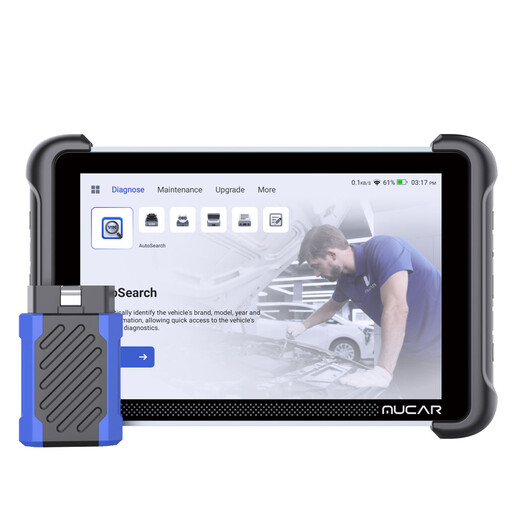
Why This Fits Their Persona: Suitable for advanced home garages, mobile mechanics and small workshops needing a larger screen and broader repair functions.
The listing separates lifetime updates from vehicle-specific capability, so buyers can still verify whether a desired coding or reset function is supported.
8-inch touchscreen, CAN-FD and DoIP support, ECU coding, bidirectional tests and more than 34 listed service functions.
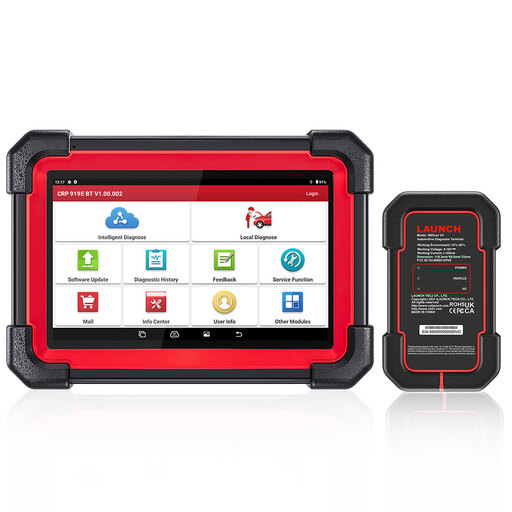
Why This Fits Their Persona: Designed for users handling varied vehicles, advanced diagnostics and regular workshop maintenance rather than occasional code checks.
It identifies compatibility limits for ECU coding and active tests, helping prevent the assumption that every listed function applies to every vehicle.
Full-system diagnosis, active testing, ECU coding, CAN-FD, DoIP and 31 listed reset or service functions.
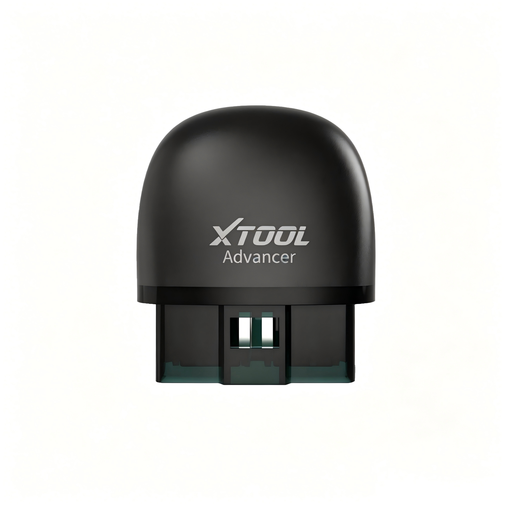
Why This Fits Their Persona: A wireless phone-based option for families, commuters and DIY owners who want fault checks, battery information and maintenance reminders in one compact device.
The listing states no subscription for standard diagnostics and identifies its automatic sleep mode, helping address ongoing-cost and battery-drain concerns.
Full-system scanning, oil reset, I/M readiness, battery testing, AI-assisted code explanations and CAN-FD support.
We have compiled a complete, real-time list of products that fully satisfy these strict selection criteria and UK safety regulations.
It can display emissions-related readiness information and fault codes, but it cannot guarantee an MOT result. The test also considers safety, emissions and vehicle condition. Treat the scanner as a preparation and troubleshooting aid, not an MOT substitute.
Usually, the Bluetooth connection itself does not require mobile data. However, the app may need internet access for registration, updates, cloud-based vehicle information or AI-assisted diagnostic features. Download required software over Wi-Fi before working away from home.
Service life depends on storage, battery care, software support and physical use. A wired tablet may suit workshop work, while a compact adapter is easier to store but relies on a phone and app. Before buying, check warranty terms, update policy and whether essential functions remain available if online services change.