
24/7 Customer Support

Free returns

Same-day & Next-day Delivery

Quality Guaranteed

Unlock Your Welcome Offers: FREE Delivery | Up to 80% OFF | Free 30-day JoyPlus trial
Download the APP
That glowing check engine light can be a source of major anxiety, often leading to costly trips to the garage just for a diagnosis. An OBD2 scanner puts the power back in your hands, allowing you to understand what your car is trying to tell you. However, the market is flooded with options, and it's easy to make a purchase you'll later regret.
As the Joybuy Product Recommendation Officer, my role is to help you navigate the marketing clutter. Many drivers are caught out by a few common purchasing pitfalls. Before you spend your money, let's look at the traps to avoid.
To ensure you get a capable and future-proof car diagnostic tool, focus on these non-negotiable parameters.
The most significant difference in price and capability lies here.
This is where long-term value is determined.
Finally, consider how you will use the tool.
Based on these criteria, we've matched some standout options to different user needs.
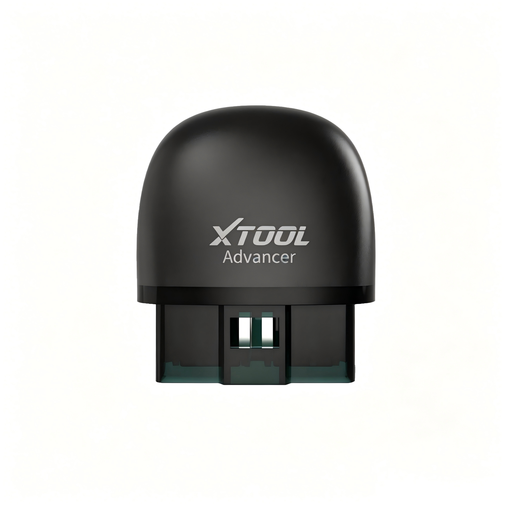
Why This Fits Their Persona: This user wants to diagnose warning lights, perform their own oil changes and check a used car before buying, all without breaking the bank. The AD20 Pro's smartphone integration and focus on no-subscription diagnostics make it a practical, long-term tool for the home mechanic.
It directly counters the subscription trap by offering full system diagnostics and an oil reset function with no ongoing fees. It also includes CAN FD support, avoiding the protocol gap for newer GM vehicles.
Its AI-powered diagnostic guidance helps interpret fault codes, making it user-friendly for those less experienced. The smart sleep mode prevents battery drain, so it can be left plugged in.
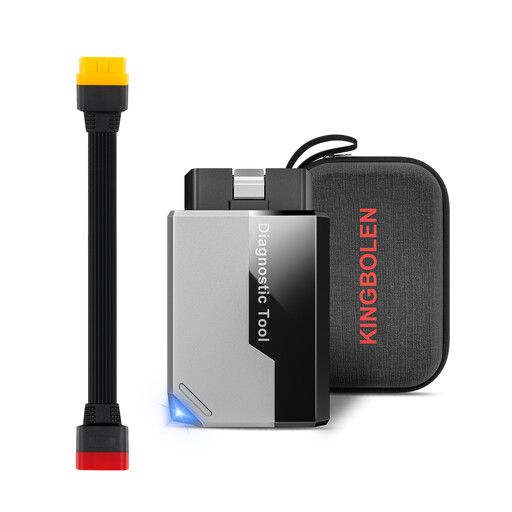
Why This Fits Their Persona: This user tackles more complex jobs, from bleeding ABS systems to diagnosing intermittent sensor faults. They need bi-directional control to test components and a solid range of reset functions. The Ediag Elite provides professional-level features in a compact, cost-effective package.
It offers lifetime free updates for its most valuable features: full system diagnostics, 15+ reset services and bi-directional control. This is a rare combination that delivers exceptional long-term value.
It supports both CAN FD and FCA AutoAuth, ensuring wide compatibility with modern vehicles. The inclusion of a 36cm extension cable is a thoughtful touch for accessing awkwardly placed OBD2 ports.
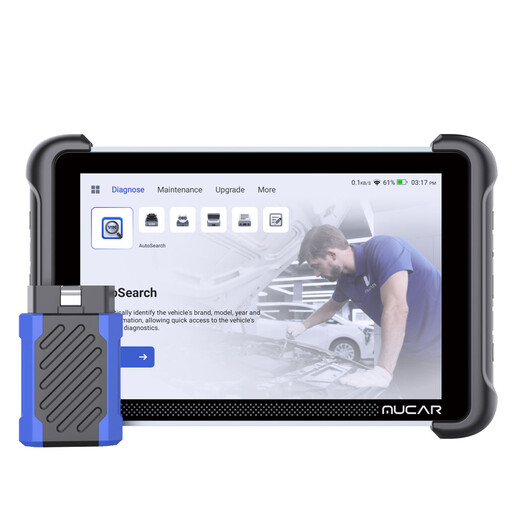
Why This Fits Their Persona: For a small workshop or mobile mechanic, efficiency and capability are everything. This user needs a robust, all-in-one tablet that can handle advanced tasks like ECU coding, cover a vast range of vehicles and withstand daily use in a workshop environment.
Its main selling point is lifetime free updates for all functions, including advanced ECU coding and 34+ service functions. This eliminates unpredictable annual costs, making it a highly cost-effective investment for a business.
It supports both CAN-FD and DoIP protocols and is expandable with professional tools like oscilloscopes and endoscopes. The 8-inch touchscreen and magnetic VCI dongle are practical features for a busy workshop.
We have compiled a complete, real-time list of products that fully satisfy these strict selection criteria and UK safety regulations.
It depends on the model. Many modern wireless OBD2 scanners feature a low-power sleep mode that activates when the car's ignition is off, preventing battery drain. However, older or more basic dongles may draw a small but constant amount of power. It is good practice to check the product specifications or unplug the device if you plan to leave your vehicle parked for an extended period.
For core diagnostic functions like reading fault codes and viewing live data, an internet connection is generally not required. However, an internet connection (usually via Wi-Fi) is necessary for several key tasks:
A basic car code reader is like a thermometer—it tells you there's a fever (a fault code) but not why. An advanced OBD2 scanner with bi-directional control and live data is like a full medical diagnostic kit. It not only identifies the code but also allows you to monitor sensor performance in real-time and actively test components to confirm the root cause of the problem, saving you time and money on unnecessary parts.