
24/7 Customer Support

Free returns

Same-day & Next-day Delivery

Quality Guaranteed

Unlock Your Welcome Offers: FREE Delivery | Up to 80% OFF | Free 30-day JoyPlus trial
Download the APP
As cat owners, we adore our feline companions, but managing the persistent smell from the litter tray can be a constant challenge. Choosing the right odour control cat litter is about more than just masking unpleasant smells; it’s about creating a hygienic, comfortable environment for your cat and maintaining freshness throughout your home.
However, the market is filled with products making bold claims. Many cat owners find themselves spending money on litters that fail to deliver, falling into common purchasing traps. Before you make your next purchase, let’s look at the key pitfalls to avoid.
To make an informed choice, it helps to understand the fundamental differences between litter types and what features genuinely contribute to a cleaner home.
This is the most significant decision you will make. Neither is inherently better; the right choice depends on your cat, your routine and your preferences.
The material dictates the litter's absorbency, dust level and method of odour control.
Your daily routine and equipment play a role. If you use an automatic cat litter box, you must use a compatible litter. Most automated systems require a hard-clumping, fast-acting litter that won't stick to the mechanism or break apart during the cleaning cycle. Always check the device manufacturer's recommendations. For those managing multiple cats manually, buying bulk cat litter is often more economical and convenient.
Based on these practical considerations, we've matched some effective solutions to different cat owner profiles.

Why This Fits Their Persona: This user needs a robust, economical solution that stands up to heavy use. The 12kg bulk format reduces the frequency of shopping trips, while the fast-clumping action is essential for quick and effective daily cleaning in a busy household.
It features technology designed to trap and neutralise ammonia, addressing odours at the source rather than just masking them. The formula also produces tight, easy-to-scoop clumps, avoiding the "weak clump" problem.
Its core strength is long-lasting odour neutralisation, even in multi-cat environments. The low-dust composition also helps maintain cleaner air and surfaces.
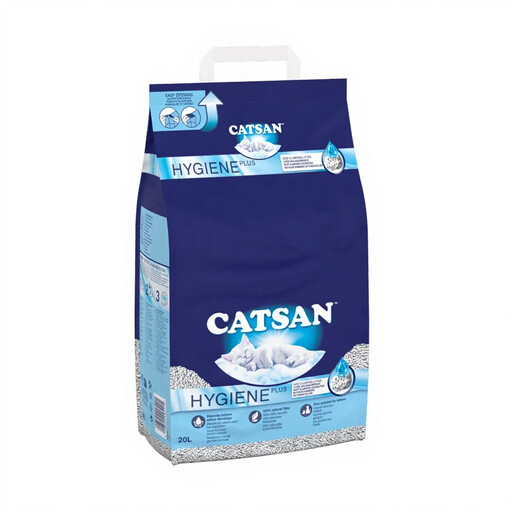
Why This Fits Their Persona: This owner values a simple, highly effective system. They prefer the straightforward routine of a full litter change and want a product made from natural materials without added scents. The 20L bulk bag offers great value and convenience.
It avoids the "fragrance trap" completely by being unscented. Its odour control comes from the high-porosity mineral granules that quickly absorb liquid before smells can develop, offering true odour prevention.
Made from 100% natural quartz and limestone, it is a reliable choice for sensitive cats. The high absorbency ensures the litter tray stays hygienically dry for longer.
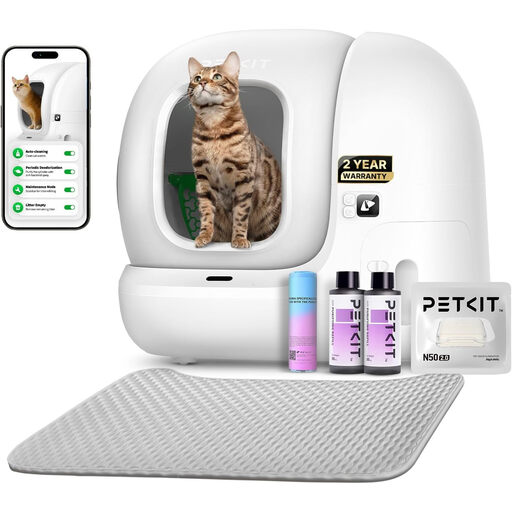
Why This Fits Their Persona: For the ultimate hands-off approach to litter management, an automatic litter box is the solution. This user prioritises convenience, cleanliness and smart technology to manage pet care and is willing to invest in a system that automates the entire process.
This system sidesteps all common litter pitfalls. It removes waste automatically before odours can build up, eliminating the need for manual scooping and the associated issues of weak clumps or dust clouds. Its integrated deodoriser actively neutralises smells.
It offers unparalleled convenience and superior odour control by removing waste promptly. The companion app also provides health monitoring data on your cat's usage, adding another layer of care.
We have compiled a complete, real-time list of products that fully satisfy these strict selection criteria and UK safety regulations.
This depends on the type of litter and the number of cats using it. For clumping cat litter, if you are scooping solids and clumps daily, a full replacement and tray wash is typically needed every 2 to 4 weeks. For non-clumping cat litter, you should replace the entire contents once it appears saturated, which is usually about once a week for a single cat. Always refer to the manufacturer's directions on the packaging for specific guidance.
Cats can be sensitive to changes in their environment. The new litter might have a texture or scent they dislike. To help them adjust, try a gradual transition. Start by mixing a small amount (around 25%) of the new litter with their old litter. Over the course of a week or two, slowly increase the proportion of the new litter until the transition is complete. If your cat still refuses to use the tray, you may need to try an alternative, such as an unscented version.
Not necessarily. Automatic cat litter box systems rely on the litter clumping quickly and firmly to function correctly. A litter that forms soft clumps or sticks to the rake or sifting mechanism can cause jams and cleaning failures. It is crucial to use a high-quality, hard-clumping litter and to check the device manufacturer's specific recommendations for compatible litter types.