
24/7 Customer Support

Free returns

Same-day & Next-day Delivery

Quality Guaranteed

Unlock Your Welcome Offers: FREE Delivery | Up to 80% OFF | Free 30-day JoyPlus trial
Download the APP
As a nation of animal lovers, we adore our feline companions. However, sharing our homes with them means dealing with the less-than-glamorous reality of the litter tray. For many UK residents, especially those in flats or multi-cat households, controlling litter box odours can feel like a constant battle. The lingering smell, the dust and the tracked granules can quickly detract from an otherwise clean and comfortable home.
I'm Joy, your Joybuy Product Recommendation Officer. My role is to help you navigate the crowded market of pet supplies. This guide is designed to offer practical, straightforward advice on choosing an effective odour control cat litter, helping you find a solution that keeps your home smelling fresh and your cat happy.
Finding the right litter goes beyond just masking smells. It’s about neutralising them at the source while considering your cat's comfort and your cleaning routine. Here are a few key factors to keep in mind.
The base material of a cat litter is the foundation of its performance. Different materials offer distinct advantages for odour control and maintenance.
For superior odour management, a good clumping cat litter is often the most practical choice. When the litter forms tight, solid clumps around waste, it locks in odours and makes daily scooping simple and efficient. This is particularly beneficial in a cat litter for multiple cats, as it allows you to maintain a clean tray environment with minimal effort. A litter that doesn't clump well can allow urine to pool at the bottom of the tray, creating a persistent source of ammonia odour.
Beyond the base material, look for specific features that enhance performance and cleanliness.
Based on features that prioritise odour neutralisation, ease of use and cleanliness, here are our recommendations for cat owners in the UK.
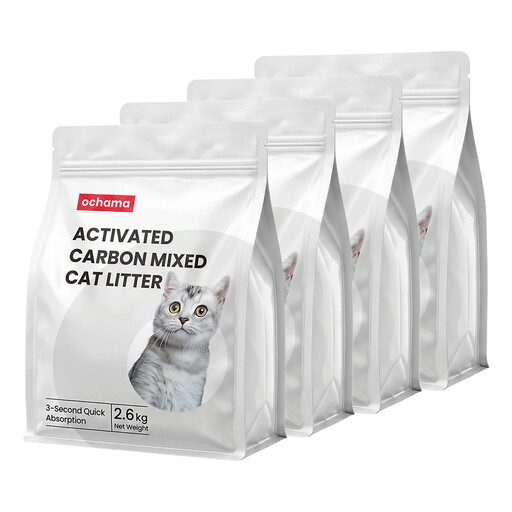
Why It Stands Out: This litter uses a scientifically formulated blend to tackle odours from multiple angles. It combines the absorbency of tofu cat litter with the clumping power of bentonite, then enhances it with activated carbon and deodorising particles. This multi-component approach provides robust and rapid odour control.
Pros:
Who is it for?: Cat owners living in flats or smaller homes who value both powerful odour neutralisation and the convenience of a flushable option.
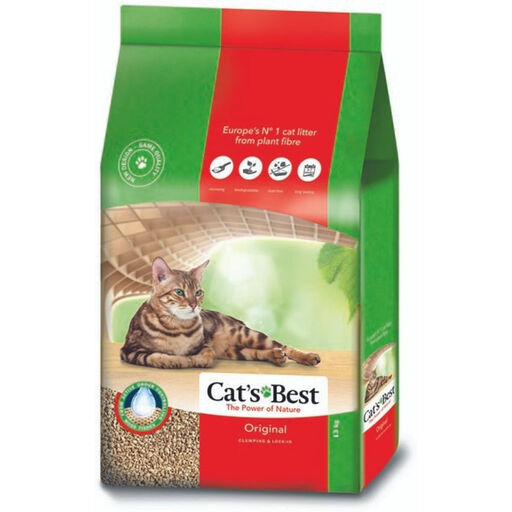
Why It Stands Out: This is a leading natural cat litter made from technologically refined active wood fibres. It's incredibly absorbent, capable of soaking up to seven times its own weight in moisture, which is key to locking away odours. Its eco-friendly credentials are a significant plus, as it's fully biodegradable and made from PEFC-certified secondary wood raw materials.
Pros:
Who is it for?: Environmentally conscious cat owners who want a high-performance, plant-based litter that is both effective and sustainable.
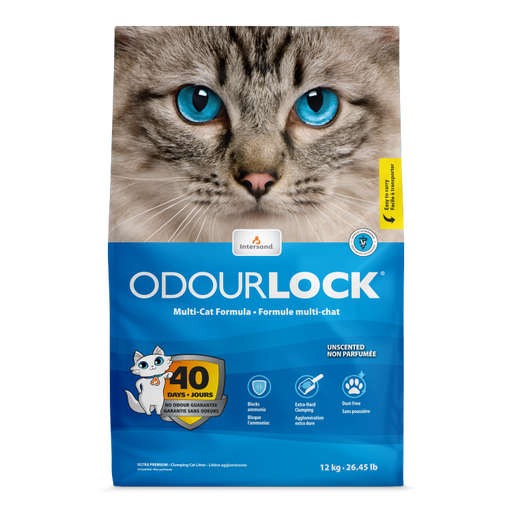
Why It Stands Out: Specifically engineered for powerful odour control, this bentonite clay litter features technology designed to neutralise ammonia on contact. It's an excellent choice for challenging situations, such as households with multiple cats or enclosed spaces where odours can concentrate.
Pros:
Who is it for?: Owners of multiple cats or anyone who needs maximum, long-lasting odour control with minimal daily fuss.
The products highlighted here offer excellent solutions for odour control, but every cat and owner has unique preferences. Clay-based litters remain a trusted and highly effective choice for many due to their superior clumping and odour-trapping abilities.
If you prefer a traditional and powerful clumping solution, we invite you to explore our full range of clay cat litter to find the perfect fit for your home.
1. How often should I completely change an odour control cat litter? This depends on the type of litter and how many cats are using it. For clumping litters, you should scoop solids and clumps daily. A full change of the litter and a wash of the tray is typically recommended every 2-4 weeks. For non-clumping litters, you may need to do a full change more frequently. Always refer to the manufacturer's instructions on the packaging.
2. Is flushable cat litter safe for UK plumbing systems? While some litters are designed to be flushable, it's important to be cautious. Only flush very small clumps one at a time to prevent blockages and ensure they dissolve in the toilet bowl first. If you live in a home with older plumbing or are connected to a septic system, it is generally safer to dispose of used litter in the bin. If in doubt, check with your local water authority.
3. What is a good type of cat litter for smell in a small flat? For a small living space, a high-performance clumping cat litter with an added odour neutraliser like activated carbon is an excellent choice. This combination traps smells effectively and allows for easy removal. Additionally, choosing a low dust and non tracking cat litter will be crucial for maintaining cleanliness and air quality in a compact home.