
24/7 Customer Support

Free returns

Same-day & Next-day Delivery

Quality Guaranteed

Unlock Your Welcome Offers: FREE Delivery | Up to 80% OFF | Free 30-day JoyPlus trial
Download the APP
Buying off-road bikes in the UK involves more than choosing a rugged-looking frame and chunky tyres. The right option depends on the rider’s age, experience, terrain, storage space and whether the bike is intended for public paths, casual cycling or private land.
Marketing can also make similar products appear interchangeable when they are not. A high-powered electric dirt bike has very different requirements from a 26-inch mountain bike, while a junior mountain bike needs to be selected around fit and control rather than appearance alone.
A larger motor rating may provide stronger acceleration and hill-climbing ability, but it can also mean more weight, greater speed and a higher need for rider control. A 3500W electric dirt bike is designed for off-road riding and is not simply a faster version of a pedal bicycle.
Before buying, decide whether you need a motorised electric off-road motorcycle for private land and off-road tracks, or a conventional bicycle for trails and general leisure use.
Suspension forks can improve comfort over gravel, roots and uneven ground, but they do not automatically make a bike suitable for downhill riding, jumps or motocross. Check the intended use, suspension design and frame limitations.
For example, the Boss mountain bike is described for casual off-road riding and general use, with a warning against heavy drops, extreme BMX riding and downhill mountain biking.
Many affordable bikes arrive partly assembled. That can reduce packaging size, but buyers still need to fit and adjust components correctly. A poorly set-up handlebar, wheel, saddle or brake can affect control.
Check whether tools are included, whether a pump is needed and whether a local cycle shop should complete the set-up. Also allow for ongoing costs such as brake-pad replacement, tyre wear, battery charging and occasional adjustments.
When comparing an electric dirt bike or electric off-road motorcycle, look at more than the wattage. Important details include:
UK road-use rules are especially important. The VIPCOO H3 listing states that it is intended for private land and designated off-road tracks, is not permitted on public roads and should be used in accordance with local track regulations. Obtain the landowner’s permission and check the specific requirements of the riding venue before use. A suitable helmet and protective equipment are strongly advisable.
For conventional mountain bikes, wheel size affects handling, comfort and rider fit. A 26-inch mountain bike can suit many teenagers and adults, but the frame measurement and inside-leg length remain essential.
The Boss Venom has an 18-inch frame, a stated rider height range of 157–183 cm and an advised inside-leg measurement of 28–32 inches. Its 26 × 1.95-inch tyres provide a compromise between dirt-path grip and general riding convenience.
For children, a junior mountain bike should be selected according to the rider’s height, inseam and ability to reach the controls. Avoid buying a larger model for a child to “grow into” if it makes mounting, braking or steering difficult.
Tyre tread should match the surface. Knobbly tyres can provide useful grip on dirt, gravel and uneven paths, although they may feel slower on smooth tarmac. Hydraulic disc brakes generally require different maintenance from cable-operated V-brakes, so consider servicing access and replacement parts.
The Boss mountain bike uses V-brakes and has a stated maximum rider weight of 115 kg, including clothing and luggage. This limit should not be treated as a target; carrying extra equipment or riding over unsuitable terrain increases demands on the bike.
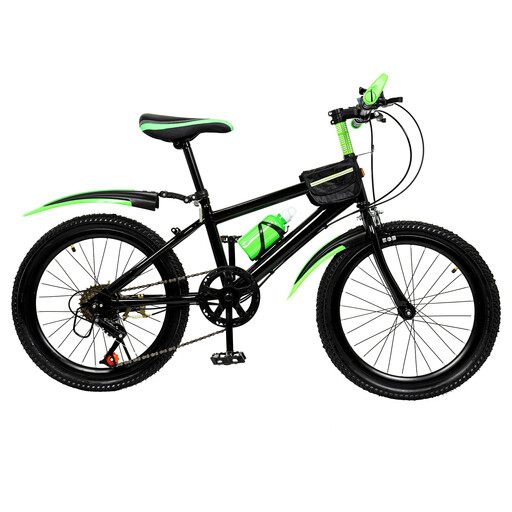
Why This Fits Their Persona: A practical starting point for families seeking a junior mountain bike for everyday cycling, road riding and lighter off-road use. The mudguards and water cup holder are useful for regular rides.
Its stated junior format helps families focus on an age-appropriate fit instead of buying an oversized adult bike. Confirm the child’s measurements before ordering.
20-inch wheels; supplied mudguards and water cup holder; suitable for mountain and road riding according to the product name.
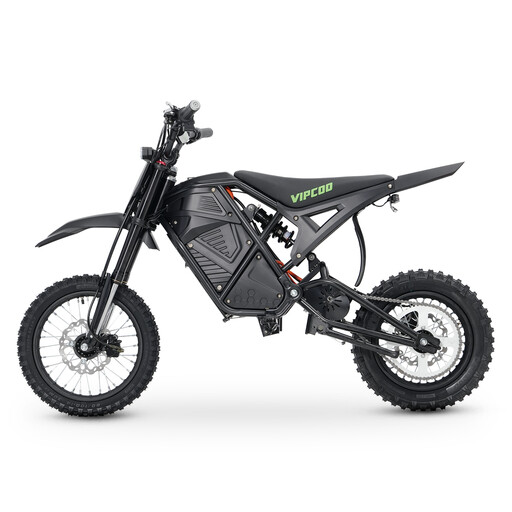
Why This Fits Their Persona: Suited to experienced adult riders looking for a high-powered electric off-road motorcycle for private land, dirt trails or permitted off-road tracks rather than public-road commuting.
The listing clearly identifies its off-road and private-land use, helping prevent an unsuitable public-road purchase. Buyers should still verify local track rules.
48V 23Ah removable battery; 3500W motor; front hydraulic shocks, rear nitrogen suspension and dual hydraulic disc brakes.
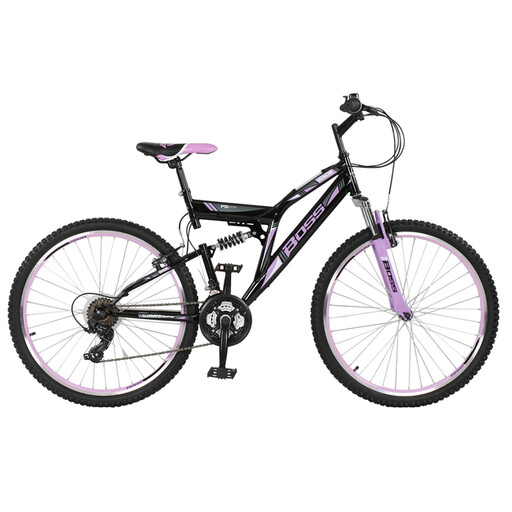
Why This Fits Their Persona: A sensible option for adults wanting mountain bikes for casual trail riding, canal paths, gravel and general cycling without the complexity of a motor and battery.
The stated use limits discourage buyers from treating a value bicycle as a downhill or stunt model. The rider height, inside-leg and load guidance also make fit easier to check.
21-speed gearing; 26 × 1.95-inch tyres; suspension forks and V-brakes; 18-inch frame for riders within the stated height range.
Before the first ride:
We have compiled a complete, real-time list of products that fully satisfy these strict selection criteria and UK safety regulations.
A high-powered electric dirt bike such as the VIPCOO H3 is listed for private land and designated off-road tracks, not public roads. Do not assume that pedals, lights or a battery make an off-road motorcycle road legal. Check current UK requirements and the rules of the specific track before riding.
Lifespan depends on storage, cleaning, rider weight, terrain and maintenance. Keep tyres correctly inflated, inspect brake components, clean mud from moving parts and replace worn consumables. Electric models also require sensible battery storage and charging practices.
Allow for a helmet, protective equipment, pump, basic tools and possible professional assembly. Over time, tyres, brake pads, chains, cables and servicing may add to ownership costs. Electric models also involve charging and battery-related maintenance, while conventional bikes have fewer electrical components.