Espresso-tonic regulars
These colleagues mainly need access to espresso, which they can combine with separately supplied tonic water and ice. An extensive milk-drink menu is less important to this use.


Choose a bean-to-cup machine for espresso tonic by the office’s busiest break and its cleaning arrangements, not by looking for a cold-drink programme: the espresso is made by the machine, while tonic water and ice are added separately. A compact machine can suit light shared use if someone will handle refills and cleaning; busier self-service use calls for a closer look at workplace-oriented capacity and installation requirements. A milk system matters only if colleagues also want milk drinks, and it brings additional cleaning.
These colleagues mainly need access to espresso, which they can combine with separately supplied tonic water and ice. An extensive milk-drink menu is less important to this use.
When several colleagues take breaks at once, the team needs to consider queues, drink output and how often someone must refill water or empty grounds.
Whoever looks after the machine needs a manageable routine for cleaning, water care and day-to-day checks, particularly if colleagues also use a milk system.
Start with the busiest period of use, then decide how much refilling and daily care the office can manage. These capacity routes describe different workplace demands, not an overall order of product quality.
Consider it when: espresso use is light and a named person can refill, empty and clean the machine.
Allow for: domestic-style capacities are not a measure of suitability for a busy office. De’Longhi GB lists a 1.8 L water container and a 14-serving grounds container for the Magnifica Evo ECAM290.22.B specifically.
Consider it when: shared workplace use calls for a machine with a stated daily-output recommendation. JURA United Kingdom positions the W8 for offices and recommends a maximum of 50 speciality coffees per day.
Allow for: JURA’s figure is manufacturer guidance, not a guarantee that colleagues will avoid a queue during the busiest break. Routine care still needs an owner.
Consider it when: many drinks may be ordered close together or the office needs a broader self-service menu.
Allow for: space, power, water arrangements and servicing need planning. Melitta Professional UK gives guidance of up to 200 espressos per hour for the cup III, depending on its configuration and operating conditions.
| Concern | What to check | Who this matters to |
|---|---|---|
| Espresso for tonic drinks | Check that the exact model makes espresso and whether its drink settings suit the office. Plan separately for tonic water, ice and glasses. | If I mainly want espresso tonic, I need a straightforward way to make the espresso before assembling the drink. Around 33% of consumers put that requirement first. |
| Break-time capacity | Compare expected daily drinks and the busiest break with the model’s stated output, water capacity and grounds capacity. Check the counter space and power supply too. | When colleagues arrive together, I want a setup that does not repeatedly stop for a refill or leave everyone waiting. Roughly 45% of consumers place peak-use capacity first. |
| Cleaning and ownership | Check the exact model’s cleaning instructions and water-hardness guidance; decide who will handle daily tasks, including milk-system care if milk is used. | If I look after a shared kitchen, I need to know who will clean the machine and keep it ready for the next person. Around 22% of consumers make manageable upkeep their primary concern. |
Lavazza UK describes espresso tonic as espresso combined with tonic water. A milk system serves other drinks, rather than the tonic itself, and adds cleaning when used.
Ask colleagues whether they actually want milk drinks. If they do, check the chosen model’s milk-cleaning instructions and assign the task.
An unused milk menu may still complicate the choice of machine; using it adds staff time for care.
Daily totals do not show how many colleagues will want a drink during the same short break. Manufacturer output guidance and container capacities also describe different things.
Estimate demand at the busiest time as well as across the day, then compare it with guidance for the exact model and the office’s refill plan.
Queues and repeated water refills or grounds-bin emptying can interrupt a shared break.
Melitta Professional UK says used coffee and milk systems must be cleaned daily according to the operating instructions. Automatic programmes do not remove the need to follow those instructions.
Choose a daily owner, check the model-specific routine and plan for water-hardness settings and descaling guidance before installation.
These examples illustrate different machine routes; each capacity or feature below applies to the named model, not every machine from its brand.
The Magnifica Evo ECAM290.22.B illustrates a compact espresso-focused option for light use where the office accepts manual refilling and emptying.
The W8 is positioned by JURA United Kingdom for offices seeking a workplace-oriented machine.
Melitta positions the cup III for commercial self-service settings, including office counters, with drinks beyond coffee.
These bean-to-cup models are choices to examine for lighter shared-office espresso use. Before choosing one, compare the office’s busiest break and cleaning arrangements with the exact model’s guidance; this product selection does not establish workplace output capacity.
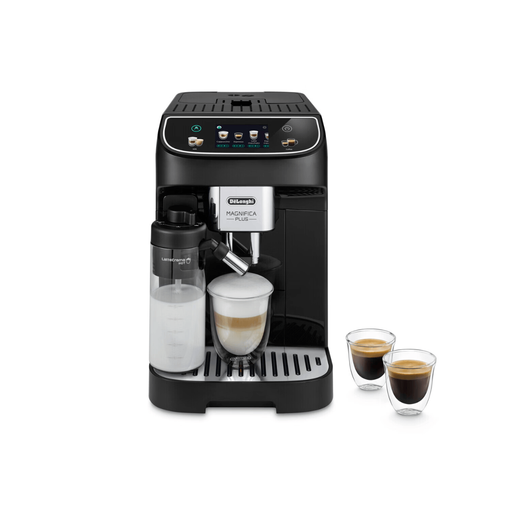 No image available
Consider this bean-to-cup model if the office mainly wants espresso for drinks assembled with tonic water and ice. Check the model’s grounds capacity, cleaning routine and suitability for the busiest break before choosing it for shared use.
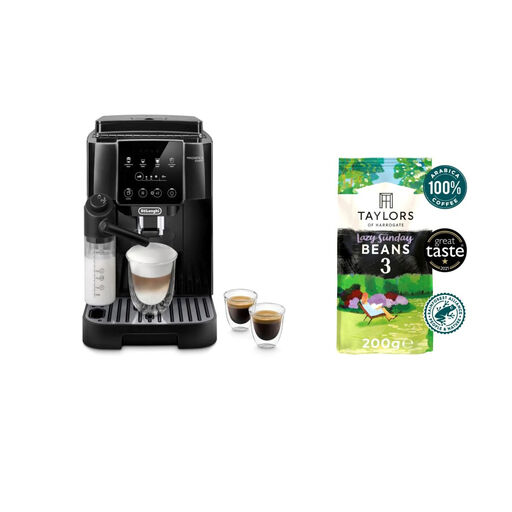 No image available
This bundle is worth considering if colleagues want milk drinks alongside espresso tonic. The machine’s title specifies four one-touch recipes; if the milk system will be used, check its cleaning instructions and assign a daily owner. Compare expected break-time demand with guidance for this exact model.
 No image available
Consider this model when espresso tonic is one drink among several and colleagues also expect milk drinks. Auto Milk is part of this variant; check its model-specific cleaning routine, grounds capacity and fit for the office’s busiest period.
 No image available
For lighter shared use, this model offers a milk-nozzle variant if colleagues want drinks beyond espresso tonic. Its title specifies four one-touch recipes. Check the bean and grounds capacities, peak-use suitability and cleaning instructions for the exact model.
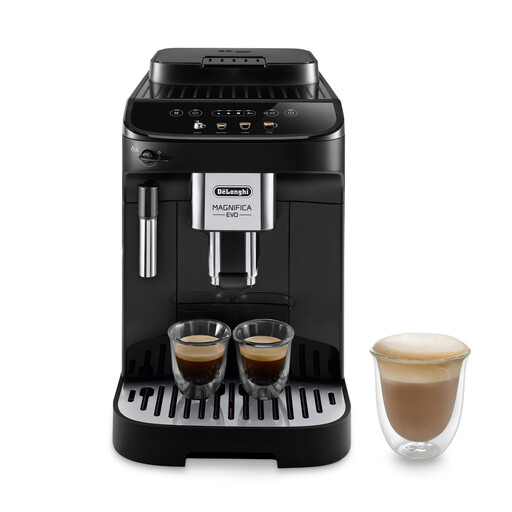 No image available
Consider this model for lighter shared espresso use if a milk frother would also serve colleagues’ other drinks. If they use the frother, include its care in the cleaning routine; check grounds capacity and busiest-break demand before choosing the machine for the office.
No dedicated cold-drink setting is needed to assemble the drink described by Lavazza UK: make espresso, then combine it with separately supplied tonic water and ice. Check that the exact bean-to-cup model offers the espresso preparation the office wants.
Assign a responsible person and follow the exact model’s instructions. Melitta Professional UK says coffee and milk systems that have been used must be cleaned daily according to their operating instructions; milk-system tasks apply when colleagues use that system.
Check it if the chosen model uses a water-hardness setting or gives filter and descaling guidance. De’Longhi UK advises using water-hardness information to plan machine care; follow the instructions for the specific model rather than assuming one descaling interval suits every office.
Confirm the exact model’s dimensions, electrical supply, water arrangement and service plan against the office’s space and busiest period. Melitta Professional UK lists the cup III at 400 mm × 510 mm × 860 mm and 230 V / 2.9 kW; its espresso-output guidance depends on configuration and operating conditions.