Office tin restockers
Choose a pack size colleagues are likely to use, then follow its directions for storing biscuits after opening. Keep the packaging nearby so the contents remain identifiable.


Choose a plain digestive for the sweet side of an office tin, and add a savoury cracker if colleagues want a different snack or something for toppings. If someone needs a gluten-free biscuit, choose one specifically labelled gluten free, check its other allergens and keep it separately identified rather than mixing it into the shared tin. Check the packs’ ingredients and storage directions before filling the tin.
Choose a pack size colleagues are likely to use, then follow its directions for storing biscuits after opening. Keep the packaging nearby so the contents remain identifiable.
A plain digestive covers the sweet-biscuit choice. Add a separately identified cracker if colleagues also want a savoury snack or plan to bring toppings.
Keep the current pack’s ingredient and ‘may contain’ information available. A biscuit chosen for a distinct dietary need may be easier to identify when it stays in its own packaging rather than going into the communal tin.
Decide whether the tin needs a sweet biscuit, a savoury cracker or both; then compare the actual packs for ingredients, storage and serving size.
| Priority | What to check | Your needs |
|---|---|---|
| Snack type | Check whether the pack is a plain digestive or a savoury cracker. If crackers are intended for toppings, consider what else will be served with them. | I want a sweet biscuit for breaks, but some colleagues would also choose a savoury snack. A cracker can sit alongside a digestive without taking its place. |
| Ingredients and allergens | Read the current ingredients, dietary declaration and any ‘may contain’ wording. Check for an explicit gluten-free label where needed; that label does not settle other allergen questions. | Before sharing food, I need to know which biscuit is which and be able to show colleagues the information on its own pack. |
| Pack and storage | Compare pack contents with how often the tin is refilled. Follow the product’s after-opening directions and retain its labelled packaging. | I would rather open what the office can use than put several unidentified products into one tin. The Tesco Groceries listing gives approximately 24 biscuits for the checked 360 g McVitie’s pack; counts for other packs need checking separately. |
| Nutrition basis | Use per-100 g figures to compare different products by the same weight. For a serving comparison, check the stated serving weight and remember that cracker figures exclude toppings. | If I am comparing sugar, salt or saturated fat, I want the figures on the same basis rather than treating one biscuit and one serving of crackers as equal portions. |
The checked Tesco digestive lists dried skimmed milk. The checked ASDA digestive is labelled vegan but also says it may contain milk, while the checked Schär gluten-free digestive contains soya and may contain lupin.
Check the exact pack’s ingredients, dietary declaration and precautionary wording against the relevant colleague’s requirements.
The checked Carr’s Table Water and Ritz Original products are savoury crackers, not plain sweet digestives. Nutrition information for a cracker does not include any cheese or spread added later.
Decide whether colleagues want a sweet biscuit, a cracker to eat alone, a cracker for toppings or a choice of both.
If the intended snack includes toppings, those need to be arranged separately from the crackers.
Without the packaging, colleagues cannot readily check which ingredients and precautionary statements belong to each biscuit.
Read the delivered packs and keep their labels available. Leave products serving distinct dietary needs separately identified.
These references describe particular products or ranges; check the pack you intend to serve rather than applying one product’s details to a whole brand.
The Original digestive is a plain sweet-biscuit reference for the tin.
Its checked own-label plain digestive provides another sweet-biscuit option to compare by pack.
The checked own-label digestive illustrates why ingredients matter when comparing plain biscuits.
The checked gluten-free digestive is an option to consider for a separately identified biscuit.
The checked Table Water product is a savoury cracker to consider when toppings are planned.
The checked Original 150 g product is a savoury cracker, not a digestive biscuit.
Jacob’s has appeared in manufacturer-described assortments of savoury crackers.
These options cover a plain digestive, a gluten-free digestive and savoury crackers. Check each pack’s label before putting it into the office tin, particularly where colleagues need to identify ingredients or allergens.
 No image available
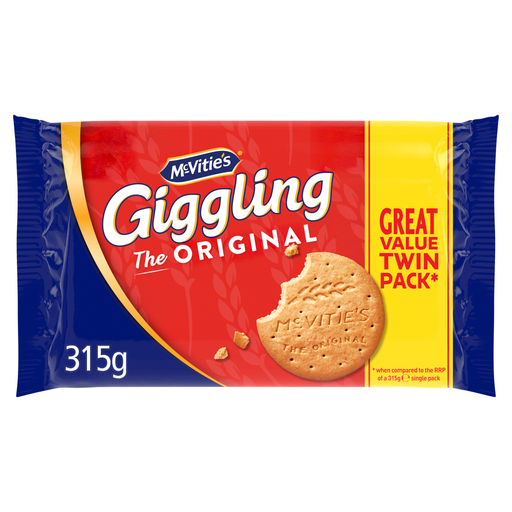
A plain digestive option for the sweet side of the office tin. This is a 2x315g pack; check its own ingredients, allergen wording and after-opening directions rather than using details from a different pack size.
 No image available
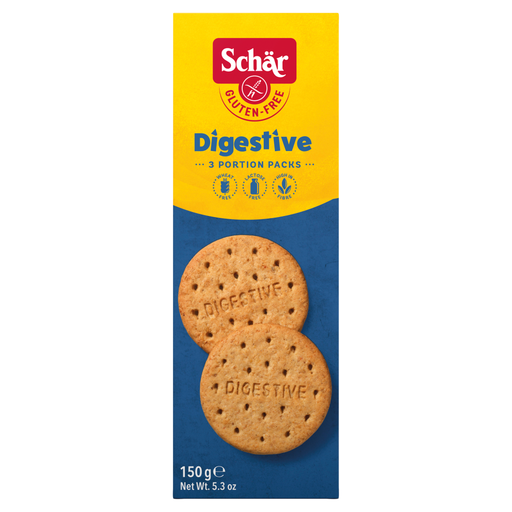
A labelled gluten-free digestive to consider keeping separately identified for a colleague who needs one. The checked Schär 150 g product contains soya and may contain lupin; confirm the current pack against the colleague’s other ingredient requirements.
 No image available
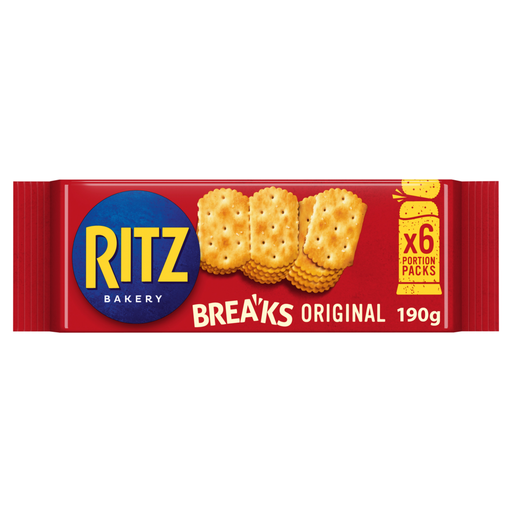
A savoury cracker option for colleagues who want something other than a digestive. This 190g Breaks variant is distinct from the 150 g Ritz Original listing; check its own ingredients and serving information before comparing them.
 No image available
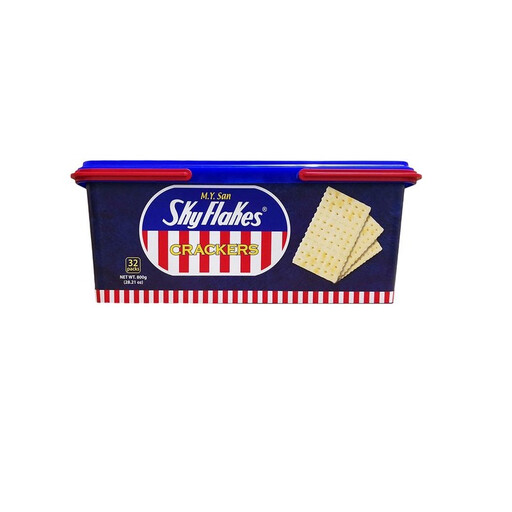
An 800g savoury cracker option to consider if the tin also needs a non-digestive snack. Check how this pack is divided before opening it for sharing, and retain its ingredient information for colleagues.
 No image available
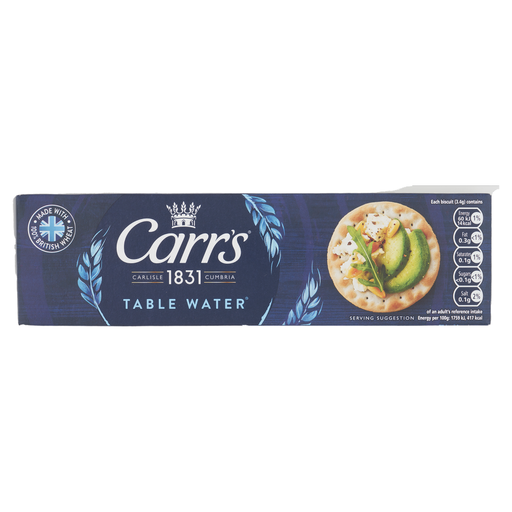
A savoury table water cracker for an office that plans to serve toppings as well as biscuits. The checked 125 g product contains wheat and may contain sesame; check the pack and any toppings for the colleagues eating them.
Follow the directions on each pack. Tesco Groceries’ listing for the checked McVitie’s Original digestives says to use an airtight container once opened; keep the packaging available so colleagues can still identify the biscuits and their ingredients.
No. The checked Schär product information explains that ‘digestive’ is a traditional British biscuit name and does not mean the biscuit aids digestion.
Keep it separately identified rather than mixing it with other biscuits. Check the current pack and the intended colleague’s requirements first: the checked Schär gluten-free digestive contains soya and may contain lupin.
Keep the current pack’s ingredients and any ‘may contain’ statement accessible. Coeliac UK explains that listed allergens in prepacked-food ingredients are emphasised, while Food Standards Agency research describes ‘may contain’ wording as precautionary information about possible unintended presence.