Managers choosing a shared everyday bean
Start with a blend colleagues can trial together. Match the pack size to how quickly the office uses beans, rather than treating a larger bag as the default.


Start with the office’s brewing equipment and the drinks colleagues make. A medium roast with chocolate, caramel or nut notes is a reasonable blend to trial for a mixed group, particularly for filter or cafetière coffee; an espresso-focused blend deserves consideration where espresso and milk drinks dominate. Test a smaller pack before committing to a larger one, and plan how opened beans will be stored and used.
The choice changes with the office’s brewing routine, rate of use and appetite for trying different flavours.
Start with a blend colleagues can trial together. Match the pack size to how quickly the office uses beans, rather than treating a larger bag as the default.
Check the machine manufacturer’s bean requirements and consider the drinks made most often. Someone also needs to manage the hopper, grounds area and cleaning routine.
A speciality or single-origin coffee can be a separate trial for colleagues interested in its particular flavour profile, without immediately replacing the shared blend.
Settle the brewing method first, then compare flavour and pack size against the way the office will actually use the beans.
| Priority | What to check | When it matters to me |
|---|---|---|
| Brewing method | Check the stated preparation method and the machine manufacturer’s bean instructions. Waitrose & Partners advises a coarse grind for cafetière, medium for filter and fine for stovetop or traditional espresso preparation on its Italian Espresso beans. | Our station uses a particular machine, so I need beans and a grind setting appropriate to that equipment. |
| Shared flavour | Compare stated roast and flavour notes, then trial the coffee in the drinks colleagues make. Union describes House Roast as a medium roast with chocolate and caramel notes and recommends it for filter and cafetière brewing. | I want to test an everyday flavour with colleagues before making it the office’s regular coffee. |
| Blend composition | Read the bean composition alongside the intended preparation; an Arabica percentage is not a taste or quality score. Lavazza lists Espresso Barista Gran Crema as an Arabica–Robusta blend for espresso and moka, while Waitrose & Partners lists its No.1 Italian Espresso as 50% Arabica and 50% Robusta. | If we mainly make espresso or milk drinks, I want to compare blends intended for those drinks rather than choosing by bean percentage alone. |
| Pack size and freshness | Compare the bag size with the office’s consumption and the pack’s storage instructions. Office Barista advises airtight storage, stock rotation and putting only short-term-use quantities into a bean-to-cup hopper. | A large bag makes sense to me only if we can use and store the beans appropriately after opening. |
| Additional choice | Consider whether a separate decaffeinated or origin-specific coffee would serve a preference not covered by the shared blend. illy UK lists decaffeinated whole beans alongside its Classico and Intenso options. | Our team may want a second coffee choice without changing the bean everyone shares. |
A 1kg bag is a different commitment from a 250g trial pack when several colleagues need to agree on the flavour.
Trial a smaller pack using the office’s usual brewing equipment, then choose a larger format if the preference and rate of use justify it.
Beans can sit unused if colleagues reject the flavour or the office takes too long to finish an opened bag.
Those labels do not describe the entire cup. Lavazza lists Espresso Barista Gran Crema as an Arabica–Robusta blend for espresso and moka; Taylors of Harrogate Rich Italian is described with chocolate and almond notes.
Compare composition with roast, flavour notes and intended preparation, then taste the candidate blend in the drinks the office makes.
Office Barista identifies stale beans and poor cleaning routines as causes of poor-tasting coffee and potential machine problems at bean-to-cup stations.
Assign responsibility for stock rotation and cleaning, store reserve beans airtight and avoid leaving a large quantity in the hopper for extended periods.
The routine takes staff time; neglected cleaning can also lead to servicing needs, according to Office Barista.
These ranges illustrate different ways to choose office beans; a brand’s range does not establish which blend a particular team will prefer.
Its Espresso Barista Gran Crema is an espresso-oriented whole-bean blend with a 1kg pack option.
The illy UK whole-bean range offers Classico, Intenso and decaffeinated choices.
Rich Italian is an option for an office trialling a chocolate-and-almond flavour profile.
House Roast offers a stated medium-roast profile for offices making filter or cafetière coffee.
Its coffee-bean range includes espresso blends and single-origin choices.
No.1 Italian Espresso is a whole-bean option to consider for an espresso-led office station.
These whole-bean options include a Rich Italian blend in two pack sizes, a larger Lavazza bag and two decaffeinated choices. Compare them against the office’s brewing equipment and expected use.
 No image available
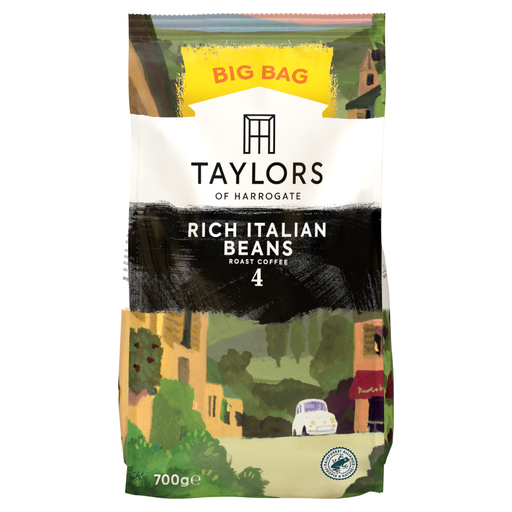
For a team trialling a chocolate-and-almond profile, Waitrose & Partners lists this 700g Rich Italian coffee as 100% Arabica, roast 4, with grind guidance for espresso, filter and cafetière. Confirm the requirements of the office machine before ordering.
 No image available
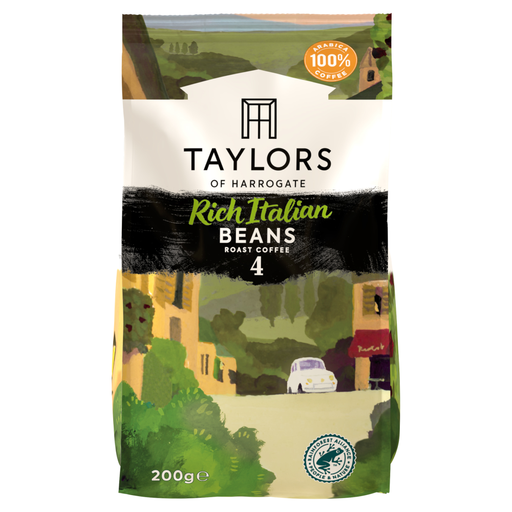
The 200g format offers a smaller Rich Italian pack for an office flavour trial. Taylors of Harrogate describes Rich Italian with chocolate and almond notes; check the pack and the office machine’s instructions for the intended preparation.
 No image available
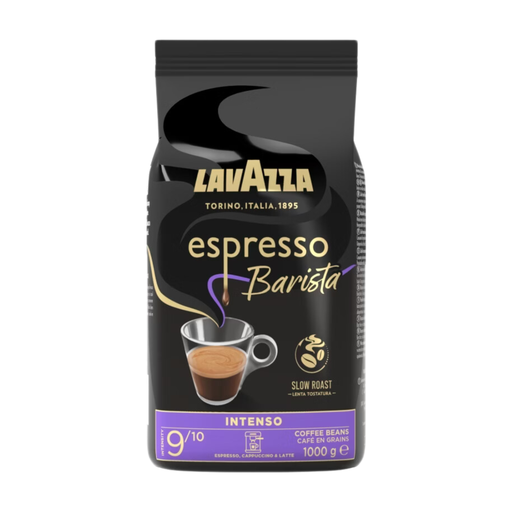
This 1kg bag is worth considering where office use can justify a larger format. Check the exact Barista Intenso pack for brewing guidance and bean composition, and confirm machine requirements and a storage routine before buying.
 No image available
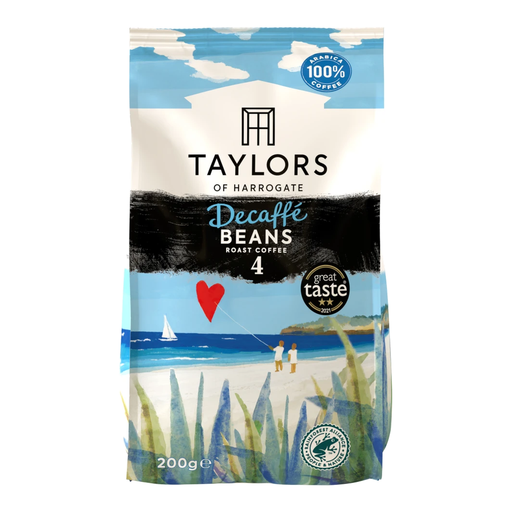
A 200g decaffeinated whole-bean option for an office considering a separate coffee choice. Check the exact pack for brewing and storage instructions, and confirm that the beans suit the office equipment.
 No image available
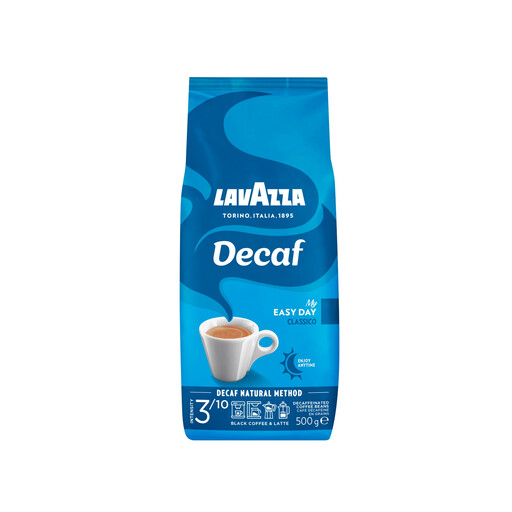
This 500g decaffeinated whole-bean pack offers another size for a separate office coffee choice. Match it to expected use, check the pack’s storage and preparation instructions, and confirm the machine’s bean requirements.
Try a medium roast with familiar chocolate, caramel or nut notes in a smaller pack, then ask colleagues to taste it in the drinks they normally make. Union recommends its chocolate-and-caramel House Roast for filter and cafetière brewing; the office’s equipment and preferences still determine whether it works as a shared bean.
Choose by the coffee the office wants to make, not by composition alone. Waitrose & Partners lists Taylors Rich Italian 700g as 100% Arabica with espresso, filter and cafetière grind guidance, while its No.1 Italian Espresso combines Arabica and Robusta and is described for drinking black or with milk. Trial either choice before making it the shared default.
Match the grind to the brewing method. Waitrose & Partners advises coarse for cafetière, medium for filter and fine for stovetop or traditional espresso preparation on its Italian Espresso beans; follow the machine manufacturer’s instructions for an automated bean-to-cup station.
Follow the pack’s storage instructions and avoid leaving more beans in the hopper than the office will use in the short term. Office Barista advises airtight storage and regular stock rotation for a bean-to-cup station.
Consider a separate decaffeinated option if colleagues want that choice alongside the shared blend. illy UK lists decaffeinated whole beans; check the exact product label and the office machine’s requirements before selecting a pack.