Buyers with hot-milk facilities
If milk is reliably available and can be heated, you can follow the stated recipes for milk-prepared drinking chocolate. Check the powder dose as well as the cocoa information before comparing mugs.


Choose a milk-prepared drinking chocolate if the office can reliably heat and stock milk; Galaxy and Tesco each list 25% cocoa powder and give a hot-milk recipe. For a kettle-only kitchen, a water-prepared product is easier to make as directed, but its cocoa content and sweetness still need checking. Neither a cocoa percentage nor words such as “strong” establish which finished drink staff will prefer, so try the candidates using the office’s usual mugs and preparation method before stocking up.
The available kitchen facilities and the people sharing the stock shape the choice more than a “strong” label does.
If milk is reliably available and can be heated, you can follow the stated recipes for milk-prepared drinking chocolate. Check the powder dose as well as the cocoa information before comparing mugs.
Where staff have hot water but no dependable way to store or heat milk, look for instructions that explicitly use water. A water-prepared drink may still contain milk ingredients, so check its label before communal use.
Compare disclosed cocoa content alongside the recipe and sweetness of the finished drink. A small trial using the milk or water staff will actually use is more informative than relying on words such as “dark” or “rich”.
Start with the liquid the office can provide, then compare cocoa information and the drink as prepared. Keep the current pack to hand when checking ingredients for a shared kitchen.
| Priority | What to check | Your needs |
|---|---|---|
| Preparation | Read the required liquid, powder dose and liquid volume. Tesco Groceries gives Galaxy Drinking Chocolate a recipe of three teaspoons with 200 ml hot milk; Ocado gives M&S Instant Hot Chocolate a recipe using 35 g powder and 200 ml hot water. | Our kitchen has only a kettle, so the drink needs instructions for hot-water preparation. If we can consistently stock and heat milk, a milk-prepared recipe is also practical. |
| Cocoa and flavour | Compare the ingredient list, stated cocoa percentage and preparation method. Tesco Groceries lists cocoa solids of at least 25% for Galaxy Drinking Chocolate and 25% cocoa powder for Tesco Drinking Chocolate; those figures do not measure the taste of the prepared mugs. | I’m looking for a cocoa-forward flavour, not simply a product described as “strong”. I’d try the shortlisted drinks at the powder doses staff are likely to use. |
| Sugar per mug | Use the nutrition basis shown on each label: per 100 ml, per powder portion or per prepared serving. Tesco Groceries lists 23 g sugars for the stated prepared serving of Cadbury Drinking Chocolate 500 g, while its Cadbury Highlights stickpack listing describes a low-sugar prepared drink with less than 2.5 g sugars per 100 ml. | For regularly shared stock, I want to know what the stated figures describe before comparing them. Different serving sizes and liquids can make headline numbers misleading. |
| Shared-kitchen suitability | Check the current ingredient and allergen statements on the exact product, including products made with water. Keep the preparation instructions accessible so staff can make the drink as labelled. | Several colleagues may use the same tub, so I need clear product information and a preparation method our kitchen can manage. |
Products described in similar terms can have different ingredients and recipes. Cadbury describes Bournville Cocoa as suitable for drinking and having dark-chocolate character, but that description does not rank the finished drink against ready-mixed powders.
Compare disclosed cocoa content and the stated powder dose, then make trial mugs with the liquid and mug size used in the office.
Galaxy and Tesco Drinking Chocolate give milk-preparation instructions, whereas the cited Cadbury Highlights stickpack and M&S Instant Hot Chocolate give hot-water instructions. A kettle alone does not provide the stated method for a milk-prepared product.
Check the kitchen’s milk storage and heating routine before selecting a format. If those facilities are unreliable, consider a product with explicit hot-water instructions.
A milk-prepared choice also requires someone to manage milk storage, replenishment and cleaning.
A powder portion and a finished mug are different nutrition bases, particularly when a recipe adds milk. Tesco Groceries reports Cadbury Highlights’ low-sugar figure per 100 ml of prepared drink, while its Cadbury Drinking Chocolate 500 g listing gives 23 g sugars for a stated prepared serving.
Note each product’s serving size and liquid before comparing label values. Do not treat unlike bases as a direct per-mug comparison.
These examples illustrate different preparation routes; a brand name alone does not tell you how every product in its range is made.
Cadbury products in the cited listings span hot-milk drinking chocolate, a hot-water Highlights stickpack and Bournville Cocoa, which Cadbury describes as suitable for drinking.
The cited Galaxy Drinking Chocolate 450 g is a hot-milk option with disclosed cocoa information.
Tesco Drinking Chocolate 400 g provides another milk-prepared recipe with a stated cocoa percentage.
The cited M&S Instant Hot Chocolate is a hot-water option for kitchens without a hot-milk routine.
These options include instant drinks for hot-water preparation and drinking chocolate to consider where the office can provide milk. Check each pack’s recipe and ingredients before choosing stock for a shared kitchen.
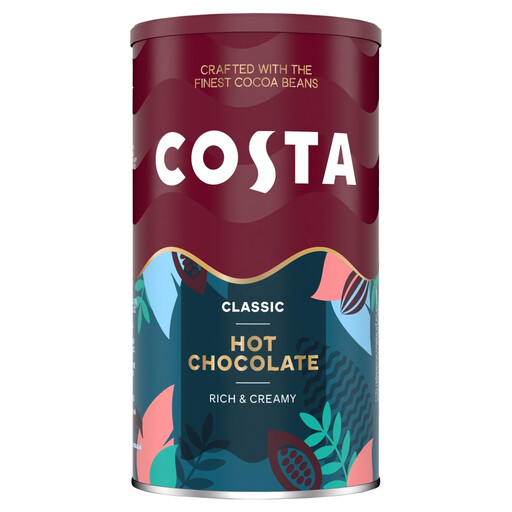 No image available
Consider this powder where staff can prepare drinks with milk or a plant-based alternative. Check the pack’s liquid quantity and compare nutrition on the same prepared-drink basis as other candidates.
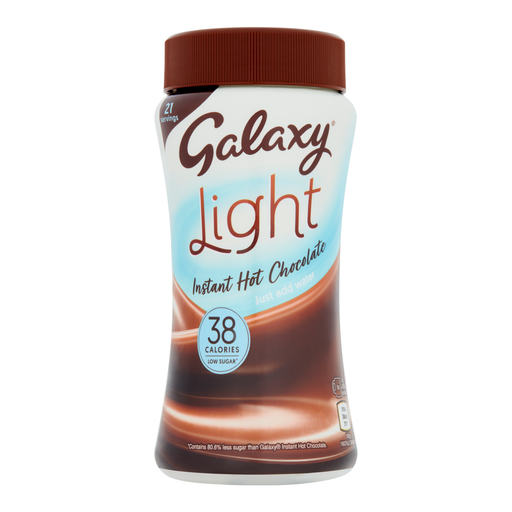 No image available
An instant option to consider for a kettle-only kitchen. Follow the pack’s hot-water recipe and check its declared allergens before placing it in a shared cupboard; “Light” is part of the product name, not a basis for comparing prepared mugs.
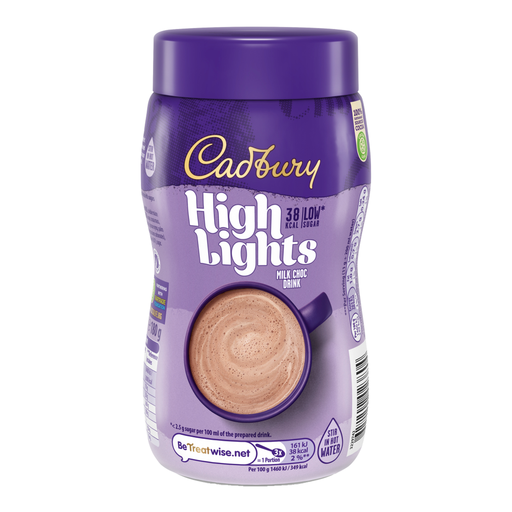 No image available
A hot-water preparation route for a kitchen without a dependable milk supply. “Milk Chocolate Drink” does not mean dairy-free: check the current ingredients, allergens and mixing instructions for communal use.
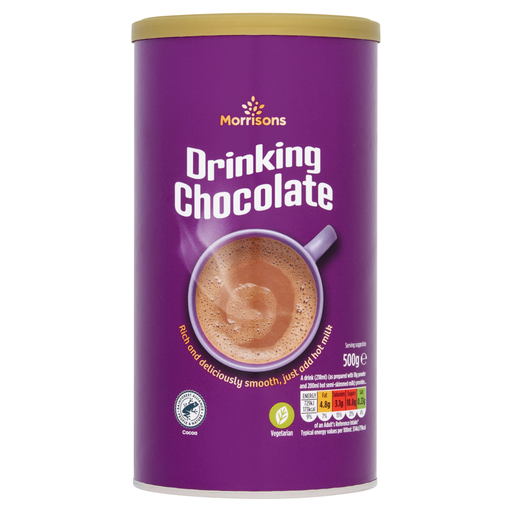 No image available
Consider this drinking chocolate where the office can reliably provide hot milk. Follow the current pack’s powder-to-milk instructions, and check what serving its nutrition figures describe before comparing mugs.
 No image available
A hot-milk option for an office that can stock and heat milk. Tesco Groceries gives a recipe of three teaspoons with hot milk and lists 23 g sugars for its stated prepared serving; use that serving basis when comparing labels.
No. Cocoa content describes an ingredient, not a standard measure of the finished drink’s flavour. Tesco Groceries lists at least 25% cocoa solids for the cited Galaxy Drinking Chocolate and 25% cocoa powder for Tesco Drinking Chocolate, but their recipes differ; compare drinks made as directed before ordering office stock.
Choose a product with explicit hot-water instructions if a kettle is the kitchen’s only dependable preparation facility. The cited Cadbury Highlights stickpack and M&S Instant Hot Chocolate use hot water, while the cited Galaxy and Tesco drinking chocolates give milk-based recipes.
Compare figures only after checking whether each applies to dry powder, a specified serving or the prepared drink. Tesco Groceries gives Cadbury Highlights’ low-sugar figure per 100 ml of prepared drink and lists 23 g sugars for the stated prepared serving of Cadbury Drinking Chocolate 500 g; those are different reporting bases.
Check the current ingredient and allergen statements on the exact pack before stocking it, and keep that information available to colleagues. Do not assume a hot-water recipe means a drink contains no milk ingredients, or that a vegetarian label answers an allergen question.