Who is this choice for?
The useful starting point is what you want to drink at lunch—not whether the packaging happens to use the word “mixer”.
People avoiding alcohol at work
If you want a fizzy packed-lunch drink without bringing an alcoholic premixed can to work, compare standalone soft drinks with products explicitly presented as non-alcoholic. Check the exact label and your employer’s policy before packing one.
People comparing regular and light tonic
If tonic’s bitter flavour appeals to you but calories, sugars or sweeteners affect your choice, compare the nutrition panels and ingredients of the exact variants. A “light” name alone does not answer every ingredient question.
People who drink botanical mixers on their own
If you want citrus, herbal or juniper notes without adding a spirit, look at the ingredient list and decide whether you prefer a versatile tonic or a finished, G&T-style drink. Check ingredients such as quinine and sweeteners where they matter to you.
What should you check before buying?
For an office lunch, settle the alcohol question first, then choose between a mixer and a finished drink before comparing flavour, nutrition and pack size.
Standalone soft-drink mixer
Choose it when: You want tonic or another fizzy mixer to drink without adding a spirit.
Bear in mind: Recipes differ in sugars, sweeteners and botanical ingredients; check the chosen drink rather than the category name.
Non-alcoholic ready-to-drink can
Choose it when: You want a finished cocktail-style flavour without mixing a drink at lunch.
Bear in mind: Its flavour is less adaptable than plain tonic, and the exact alcohol information and ingredients still need checking.
Alcoholic premixed can
For this lunch: Set it aside if you are avoiding alcohol at work.
Check: Tesco lists premixed gin-and-tonic cans, including a Gordon’s product marked 5% vol; a familiar mixer name does not establish alcohol status.
| Priority |
What to check |
Your needs |
| Alcohol status |
Read the full product name and on-pack alcohol information, including ABV where shown. Distinguish standalone soft drinks and explicitly non-alcoholic options from premixed spirit-and-mixer cans. |
I want to pack a drink without accidentally choosing an alcoholic premix. Tesco’s UK listings show why the exact product matters: its premixed range includes a gin and tonic marked 5% vol. |
| Workplace rules |
Check your employer’s alcohol policy and any rules specific to your duties. The Health and Safety Executive advises employers to manage alcohol-related workplace risks through appropriate policies. |
Before putting a mixer-style can in my lunch bag, I need to know whether it fits the rules for my workplace and role. |
| Nutrition |
Compare energy and sugars on the same per 100 ml basis, then check the serving size. Read the ingredient list separately for the sugars or sweeteners used. |
If I am comparing regular and light tonic, I want the figures for the exact drinks I might buy—not a conclusion drawn from the word “light”. |
| Flavour and ingredients |
Decide between a plain tonic and a finished botanical drink. Check listed ingredients such as quinine, citrus or juniper, rather than assuming products with similar names have the same recipe. |
Some days I want tonic on its own; other days I would prefer a ready-to-drink botanical flavour without adding a spirit. |
| Pack format |
Check the volume of each can or bottle and the number of units in the pack. Consider what you would drink at one lunch and what you would need to carry. |
A single serving is easier for me to plan around than opening a larger bottle when I only want one lunchtime drink. |
Brand and product-line references
These references help distinguish types of drink and ingredient lists; a brand name alone does not establish whether a particular pack suits your workplace.
Fever-Tree
Fever-Tree’s UK product pages cover regular and light Indian tonic waters and a separately described non-alcoholic Mediterranean G&T-style drink.
- Its product pages distinguish a tonic for mixing or drinking on its own from a finished, botanical G&T-style option.
- Check the chosen pack’s nutrition, ingredients and alcohol information; the descriptions of these different drinks are not interchangeable.
Fentimans
Fentimans lists its Premium Indian Tonic Water as a botanical tonic, with ingredients including quinine, juniper berry, kaffir lime leaves and lemongrass.
- The brand’s ingredient list also identifies fructose and a stevia-derived sweetener, useful details when comparing tonic recipes.
- Its tonic is a mixer, not the same product type as a finished non-alcoholic G&T-style drink.
Britvic
Britvic describes a soft-drinks brand portfolio in Great Britain.
- The portfolio is a starting point for identifying a specific soft drink to consider.
- Choose by the individual drink’s label: a portfolio name does not tell you its ingredients or alcohol information.
Joybuy drinks to consider
These options include standalone fizzy drinks and tonics, plus a finished non-alcoholic Mojito-style can. For an alcohol-avoiding office lunch, check each chosen pack and your workplace policy rather than treating all mixer-style drinks alike.
 No image available
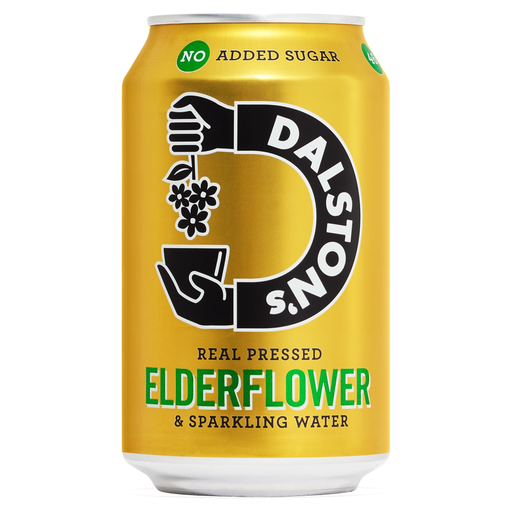
Dalston's Fizzy Elderflower 330 ml
An elderflower soft drink presented as non-alcoholic and suitable for drinking on its own or as a mixer. The single 330 ml can suits a one-drink lunch plan; check the current pack if its sugar ingredients matter to you.
View on Joybuy
 No image available
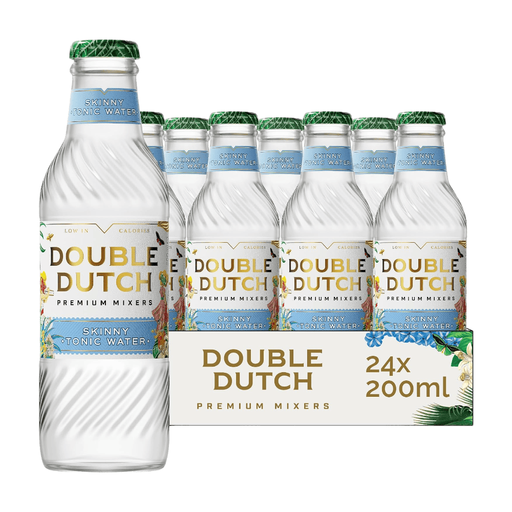
Double Dutch Skinny Tonic 200 ml × 24
A tonic presented as alcohol-free and suitable for drinking without adding a spirit. Each unit is 200 ml; check the current nutrition panel before comparing its energy value with another tonic.
View on Joybuy
 No image available
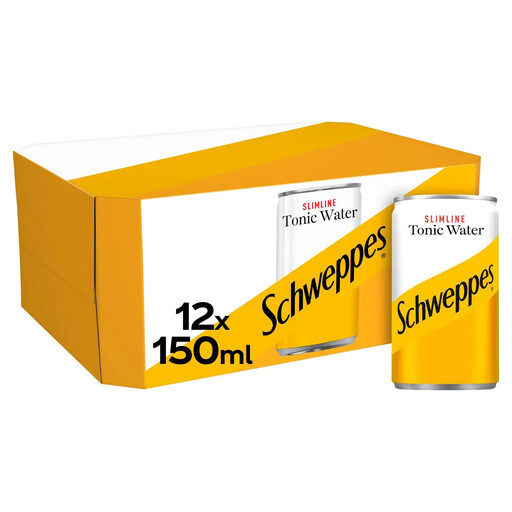
Schweppes Slimline Tonic Water 12 × 150 ml
The 150 ml cans provide individual tonic servings that can be drunk without adding a spirit. If avoiding alcohol at work is essential, confirm the alcohol information on the current pack; check its ingredient list if aspartame is relevant to you.
View on Joybuy
 No image available
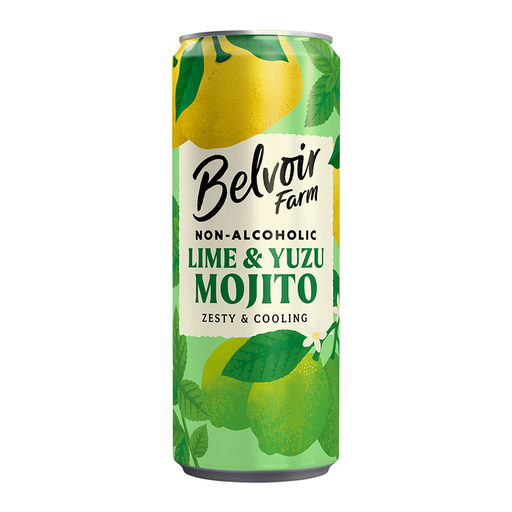
Belvoir Non-Alcoholic Lime & Yuzu Mojito 250 ml
A finished Mojito-style drink for someone who wants a single can without mixing anything at lunch. It is presented as non-alcoholic rather than as a plain tonic; check the can’s alcohol information, ingredients and your workplace rules.
View on Joybuy
 No image available
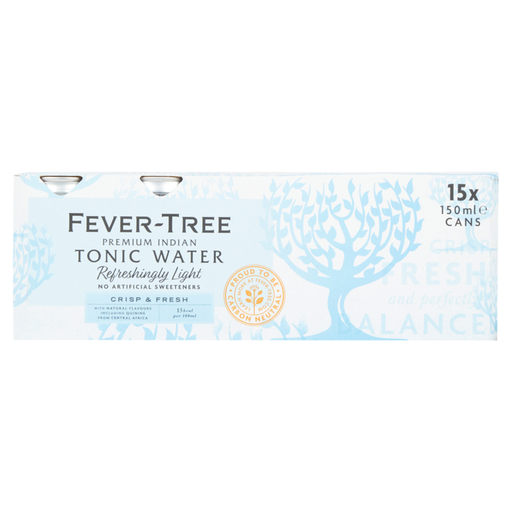
Fever-Tree Refreshingly Light Premium Indian Tonic Water 15 × 150 ml
A light-tonic option in individual 150 ml cans, described as drinkable without adding a spirit. Compare the current can’s nutrition panel with the regular variant rather than relying on a percentage comparison, and confirm its alcohol information if avoiding alcohol at work.
View on Joybuy
Questions about mixers at work
Does “mixer” mean a drink is alcohol-free?
No. A standalone mixer can be a soft drink, while a premixed spirit-and-mixer can may contain alcohol. Tesco’s UK ready-to-drink listings include a Gordon’s Pink Gin & Tonic marked 5% vol, so check the exact name and alcohol information rather than the word “mixer”.
What does “low alcohol” mean on a UK drink?
Department of Health and Social Care guidance published in 2018 says the voluntary “low alcohol” descriptor for an alcohol-substitute drink applies at 1.2% ABV or below, with the maximum ABV indicated on the label. That guidance distinguishes alcohol-substitute drinks from ordinary soft beverages; the phrase is not a shortcut for identifying every mixer’s alcohol content.
Can I take a non-alcoholic mixer-style drink to work?
Check the specific drink’s label and your employer’s rules before packing it. The Health and Safety Executive advises employers to manage alcohol-related workplace risks through policies, so a product description alone cannot tell you what is permitted in your role.
Is light tonic automatically the right lunch choice?
No. A light-tonic comparison concerns the stated products and measure, not every ingredient or your workplace requirements. Fever-Tree describes its Refreshingly Light Indian Tonic in comparison with its regular tonic; compare the current packs’ per 100 ml nutrition values and ingredient lists, and check alcohol information separately.
Why check the ingredients of a tonic I plan to drink neat?
Tonic recipes differ even when the drinks serve a similar purpose. Fever-Tree identifies quinine in its Premium Indian Tonic Water, while Fentimans lists quinine, botanical extracts, fructose and a stevia-derived sweetener in its Premium Indian Tonic Water. Read the current pack if a particular ingredient affects your choice.


