
24/7 Customer Support

Free returns

Same-day & Next-day Delivery

Quality Guaranteed

Unlock Your Welcome Offers: FREE Delivery | Up to 80% OFF | Free 30-day JoyPlus trial
Download the APP
In any busy workspace, home office or study area, clarity is key. A cluttered desk covered in sticky notes or a digital inbox overflowing with reminders can lead to missed deadlines and unnecessary stress. An office notice board provides a simple, visual solution to centralise information, track tasks and keep everyone on the same page.
However, with so many options available, from traditional cork to modern magnetic surfaces, choosing the right one can be a task in itself. This guide is designed to help you understand the key features to look for, ensuring you select a board that fits your space and organisational style.
Before you make a choice, consider these practical points. Thinking about how and where you will use your board will help you narrow down the options significantly.
The surface of the board dictates its primary use.
Consider the wall space you have available and the volume of information you need to display. A large notice board is ideal for a central office hub or a family command centre, providing ample room for schedules, memos and team updates. For a personal home office board or a student's room, a smaller memo board might be more suitable. Always measure your wall before purchasing and decide whether a landscape or portrait orientation works better for the space. Most wall mounted notice board options can be hung either way.
Here are a few recommendations that cater to different needs, from large-scale office organisation to personal planning.
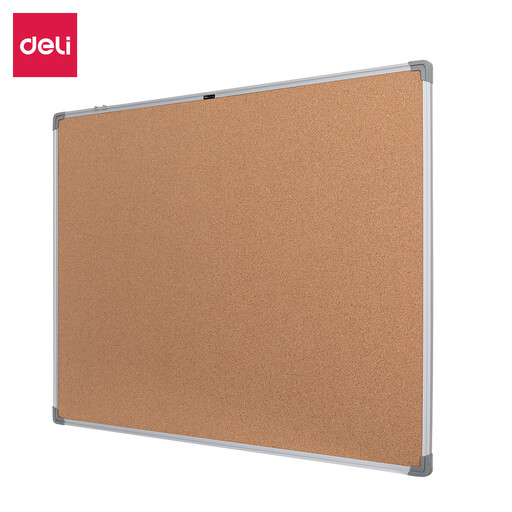
Why It Stands Out: This board makes a statement with its vibrant yellow fabric surface. It moves beyond a purely functional item to become a piece of office decor, perfect for brightening up a creative studio, a modern office or a collaborative space. The generous size provides plenty of room for pinning up inspiration, project briefs and announcements.
Pros:
Who is it for? This is a great option for office managers looking for a central communication point, creative teams who need a large mood board or anyone wanting to add a functional splash of colour to their environment.
View the Deli Notice Board 1200x900mm on Joybuy.co.uk
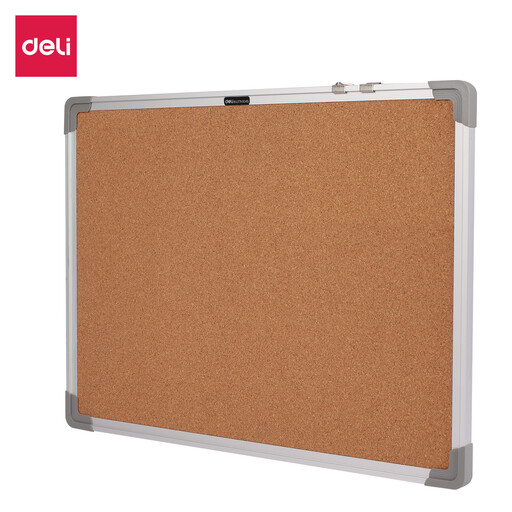
Why It Stands Out: This board embodies the classic, no-fuss functionality of a traditional cork board. Its natural cork surface is self-healing, ensuring it maintains a clean look even after heavy use. The compact size makes it an excellent choice for personal organisation without overwhelming a smaller room or cubicle.
Pros:
Who is it for? Ideal for students, remote workers or anyone needing a personal memo board to keep track of reminders, photos and important notes above a desk. It’s a straightforward and effective organisational tool.
View the Deli Cork Bulletin Board on Joybuy.co.uk
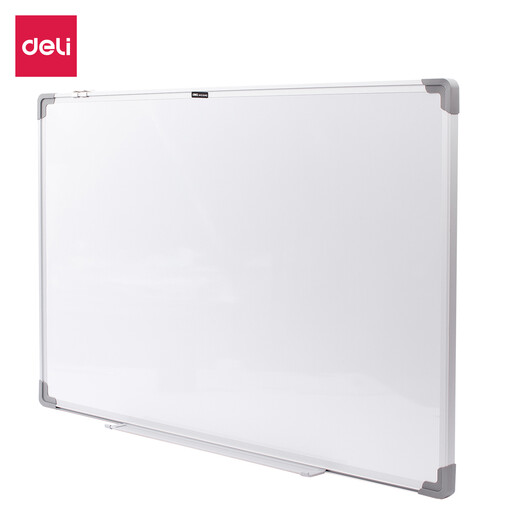
Why It Stands Out: This is a powerhouse of organisation. As a dual-function magnetic whiteboard and dry wipe board, it offers maximum flexibility. Its exceptionally large notice board size of 1200x1800mm makes it suitable for intensive planning, teaching or collaborative brainstorming sessions where space is essential.
Pros:
Who is it for? This board is built for demanding environments like corporate training rooms, school classrooms and busy project management offices where dynamic, large-scale visual planning is a daily requirement.
View the Deli Premium Magnetic Whiteboard on Joybuy.co.uk
If these selections aren't quite what you're looking for, don't worry. The ideal organisational tool for your space is out there. For more sizes, materials and styles, from compact memo boards to different coloured fabric boards, explore our complete collection.
Discover More in Our Home Office Stationery Category
1. What is the difference between a pin board and a cork board? A cork board is a specific type of pin board made from cork. The term "pin board" is more general and can also refer to boards made from other materials you can stick pins into, such as felt, fabric or foam. All cork boards are pin boards, but not all pin boards are made of cork.
2. How do you hang a wall mounted notice board securely? For any wall mounted notice board, safety is paramount. Always start by checking the type of wall you are drilling into (e.g., plasterboard, brick). Use the appropriate wall plugs and screws for that material. It is important to follow the manufacturer's included instructions carefully and use a spirit level to ensure the board is straight before finalising the installation.