Quick lunch assemblers
If you can get freshly cooked hot pasta at work but have little time to prepare lunch, a sauce designed to be stirred straight in is worth considering. Check how much of the pot you intend to use.


Choose a ready-to-use stir-in sauce if you will have freshly cooked hot pasta at work and want to avoid heating the sauce separately. A jarred sauce suits lunches prepared at home, while passata suits you if you have time to cook and season a tomato base before packing. Whichever format you choose, check the portion you intend to use, the current ingredients and allergen information, and the instructions for storing both opened sauce and the prepared lunch.
If you can get freshly cooked hot pasta at work but have little time to prepare lunch, a sauce designed to be stirred straight in is worth considering. Check how much of the pot you intend to use.
If you prepare pasta lunches before work, a jar can provide sauce for more than one meal. Its opened-pack instructions and the chilled storage of the cooked lunch both need to fit your schedule.
If you would rather choose your own additions and seasoning, passata gives you a tomato base to cook with at home. Napolina describes its passata as a base for sauce, rather than a finished pasta sauce.
For an office packed lunch, start with where the pasta will be prepared; then check whether the pack size, label and storage instructions work for the lunch you plan to take.
| Concern | What to check | Who this matters to |
|---|---|---|
| Lunchtime preparation | Check whether the sauce can be stirred into hot pasta or needs separate heating. | If I have hot pasta at work but little preparation time, I need to know whether the sauce can go straight in. About 33% of consumers put quick lunch assembly first. |
| Portions and storage | Check the stated portions, opened-pack instructions and how you will chill the cooked lunch. | When I cook several lunches at home, I need the sauce and prepared meals to fit my storage plan. Keeping a batch usable is the primary concern for about 27% of consumers. |
| Ingredients and labels | Read the current ingredients and allergen statement; compare salt for the amount you intend to use. | If an ingredient or allergen matters to me, the flavour name alone cannot answer my question. About 20% of consumers primarily need to check the label before choosing. |
| Control over flavour | Decide whether you want a finished sauce or a tomato base that you will cook and season. | When I make lunch ahead, I may prefer to choose the additions myself and allow time to cook them. That control comes first for about 20% of consumers. |
The amount you use may differ from the portion used on the nutrition label, particularly if you empty a pack into one meal.
Decide how much sauce you will add, then compare the label values with that intended portion.
Opened-pack instructions are product-specific. An ASDA Groceries listing for a Dolmio 450 g sauce, for example, says to refrigerate it for up to three days after opening.
Follow the instruction on the exact pack and plan when you will use the remainder.
A sauce’s unopened storage instructions do not describe how to keep a cooked pasta lunch. The Food Standards Agency advises eating leftovers within two days or freezing them if that will not be possible.
Chill the prepared meal and arrange chilled storage during the journey and at work.
A vegan label does not settle every allergy question: Marks & Spencer identifies its Tomato & Basil sauce as not suitable for people with a milk allergy.
Read the ingredients and allergen statement on the current pack for the specific product you are buying.
Its stir-in format offers a different preparation route from its jarred tomato sauces.
Its passata is a route for cooking your own sauce rather than opening a finished one.
The Extra Special passata-style variants include tomato sauces with different added flavours.
Its pasta-sauce range includes options with differing ingredients and dietary labels.
These selections cover a stir-in sauce for hot pasta, sauces for meals prepared at home, and a passata-style tomato base. Choose according to when you can cook and how you will store your lunch.
 No image available
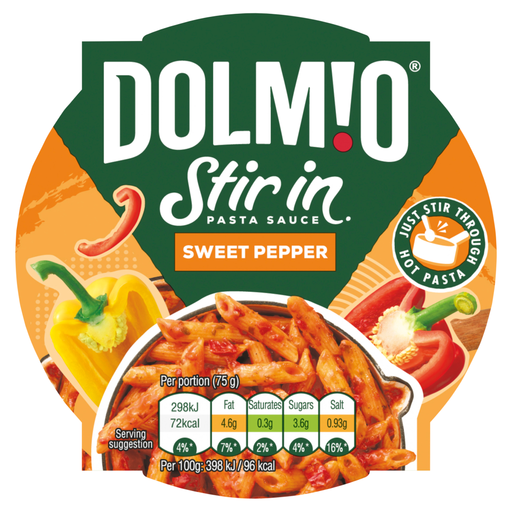
Consider this stir-in pot if you will have freshly cooked hot pasta available. Its directions describe mixing the whole pot with 200–250 g of pasta without heating the sauce separately; check the pack if you need a particular number of portions.
 No image available
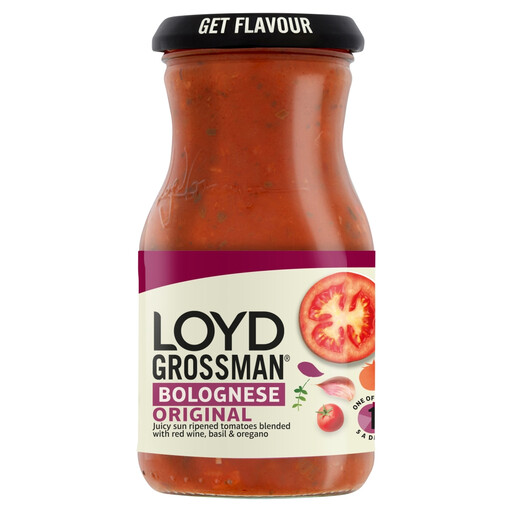
This jar is an option for cooking pasta lunches at home rather than assembling them at your desk. The suggested preparation involves simmering it with beef mince, so allow for that cooking step; check the current pack for allergens and opened-jar storage.
 No image available
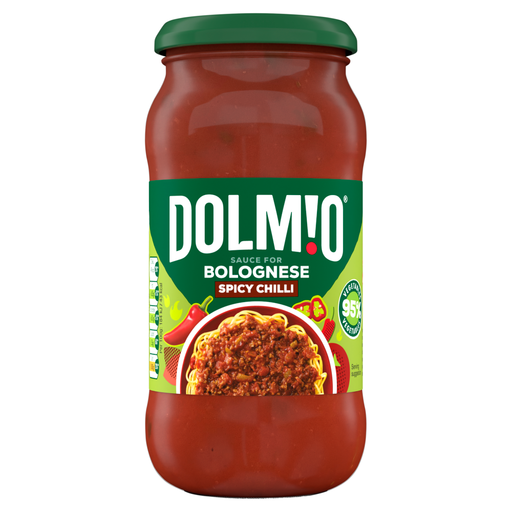
Choose this jar format if you can heat the sauce while making lunch at home. Plan the amount you will use and check the current pack’s allergen statement and opened-jar instructions before preparing multiple meals.
 No image available
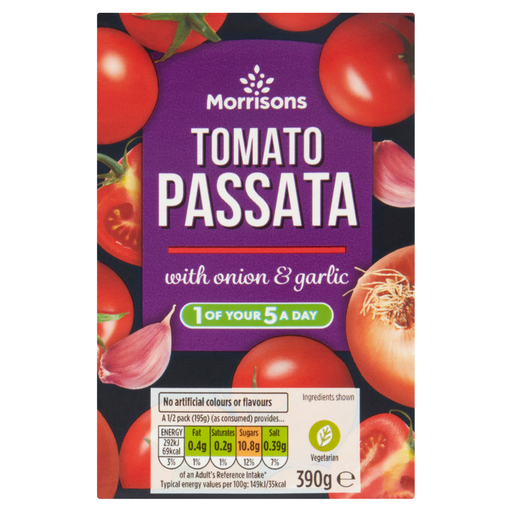
This passata-style option suits a tomato-based lunch you will prepare before work, rather than a no-heat stir-in lunch. Its directions include heating on the hob or in a microwave; check the current pack’s allergen and storage information.
 No image available
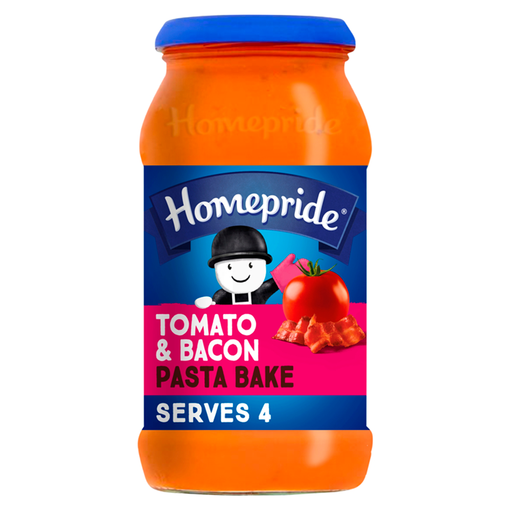
This sauce suits a pasta bake made at home and portioned for later lunches, not a quick stir-in at work. The suggested preparation adds cheese and includes an oven-baking step; check the current pack for milk and other allergen information.
Yes, if you can chill the prepared meal and keep it chilled until lunch. The Food Standards Agency advises eating leftovers within two days or freezing them if that will not be possible; plan your journey and workplace storage accordingly.
Follow the instruction on that jar, rather than a rule remembered from another sauce. An ASDA Groceries listing for a Dolmio 450 g sauce specifies refrigeration for up to three days after opening, but the instruction for your chosen product may differ.
Not automatically. Marks & Spencer marks its Tomato & Basil sauce as not suitable for people with a milk allergy; read the current ingredients and allergen statement for the exact product.
Not if the particular product instructs you to stir it into freshly cooked hot pasta without separate heating. Sainsbury’s gives that direction for Dolmio Tomato & Basil Stir In; check other sauces’ instructions rather than assuming they work the same way.