Shared-kitchen managers
If you replenish a communal cupboard, an everyday tea bag lets colleagues make individual cups with hot water. Choose the pack count around expected use and the dry storage space available.


For a shared office kitchen, start with everyday tea bags in a pack size that matches how many cups people make. Add decaf or a hard-water blend when colleagues or local water conditions call for one, and check the exact product and collection service before giving disposal instructions. Tea bags brew in hot water; coffee pods are a separate format.
If you replenish a communal cupboard, an everyday tea bag lets colleagues make individual cups with hot water. Choose the pack count around expected use and the dry storage space available.
Keep separate options for identified needs rather than expecting one standard black tea to cover them all. Yorkshire Tea describes its Decaf and Hard Water blends as distinct products for distinct circumstances.
Check sourcing and bag-material statements on the exact pack. If disposal matters to the workplace, confirm what its food-waste collection accepts before putting instructions beside the kitchen bins.
Decide on the everyday supply first, then add smaller lines for needs that actually exist in the office.
| Priority | What to check | Your needs |
|---|---|---|
| One-cup preparation | Confirm that the product is tea bags for brewing with hot water. Check whether the kitchen has a suitable place to keep the opened pack dry. | I want colleagues to make a cup without needing a capsule machine or a shared teapot. |
| Pack count | Compare the stated bag count with typical weekly use, cupboard space and the pack’s best-before date. A larger count means fewer packs to replenish only when it suits actual consumption. | Will the office use a large box comfortably, or would a smaller supply be easier to store and finish? |
| Blend choice | Separate everyday tea from a named decaf option. Check the exact variant and its brewing instructions rather than applying one pack’s directions to every blend. | Some colleagues may want a lower-caffeine choice alongside the regular tea, not in place of it. |
| Water conditions | If the office has hard water, look for a blend specifically labelled for that condition. Yorkshire Tea describes Hard Water as a separate blend; its name does not establish how every tea will taste from a particular tap. | Our local water may make a specialist blend worth trying, but I would not stock one solely because it exists. |
| Sourcing and disposal | Read Fairtrade, organic and bag-material claims on the exact product. Morrisons says its listed PG Tips Original 210-bag pack needs industrial composting conditions and a council collection that accepts the bags; Twinings describes its English Breakfast bags as industrially compostable. | If workplace purchasing has a sourcing requirement, I need the relevant pack details. Before telling colleagues where bags go, I also need to check our collection service. |
Coffee capsules involve a different preparation system. Treating them as tea bags can distract from the blend, bag count and storage details needed for a hot-water tea supply.
Order tea bags for this cupboard. Assess capsule format and machine compatibility separately if the office also wants coffee pods.
A high bag count is useful only if the office has room for the pack and will use it within its best-before period.
Estimate weekly cups and check the pack count, date and available dry cupboard space before selecting a bulk format.
When use is lower than expected, bags may remain in storage for longer.
Plant-based material and industrial compostability do not, by themselves, establish that a workplace’s food-waste or garden-waste collection accepts a particular bag.
Read the exact pack wording and ask the collection provider which materials it takes before labelling a bin for used tea bags.
A standard black tea does not provide a decaf choice, while a hard-water blend addresses a different question about the water used to brew it.
Ask which alternatives colleagues need, then keep those variants clearly separate from the everyday supply.
These examples describe named products and variants, not every tea bag made by each brand.
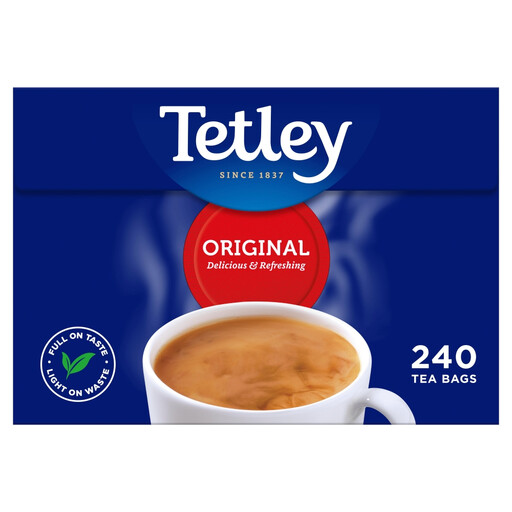
Tetley Original is an everyday black-tea option; ASDA lists a 240-bag, 750 g pack.
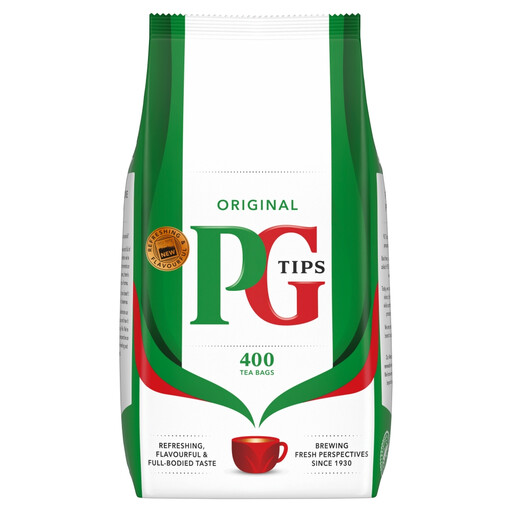
PG Tips Original comes in large tea-bag formats; Morrisons lists a 210-bag pack.
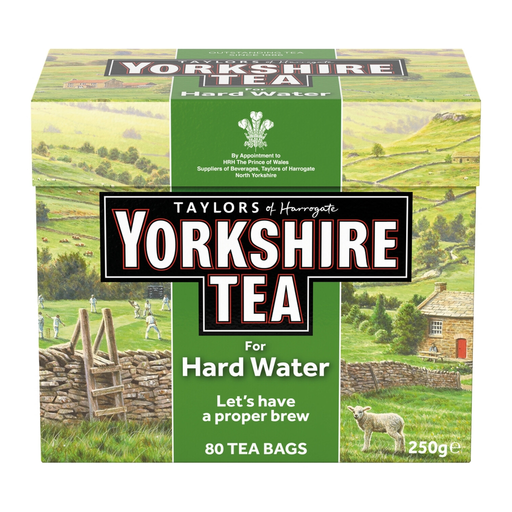
Yorkshire Tea presents Decaf and Hard Water as separate alternatives to its standard tea.
Twinings lists an English Breakfast pack of 300 tea bags made with black tea.
Clipper offers an Everyday One Cup catering pack of 1,120 tea bags for buyers considering a large shared supply.
Staples UK lists Typhoo One Cup as a 440-bag black-tea pack for offices, meetings and small catering events.
These tea bags cover an everyday office supply and smaller decaf, hard-water and sourcing-led alternatives. Choose by the need for each line, not by treating all five packs as interchangeable.
 No image available
For an everyday shared-kitchen supply, this pack contains 240 bags. ASDA’s listing for the same Tetley Original pack recommends a 2–3 minute brew; its plant-based bag description does not establish which workplace waste collections will accept used bags.
 No image available
The 400-bag count is worth considering where an office gets through its everyday tea supply regularly. Check the directions on this pack before setting a shared brewing routine; guidance for a different PG Tips pack need not be identical.
 No image available
This 80-bag decaffeinated variant provides a separate choice where colleagues want one alongside standard tea. Keep the packs clearly labelled so drinkers can select the blend they intend.
 No image available
Consider this named hard-water variant if the office has that water condition. The 80-bag pack can be kept as a separate line; check its own brewing directions before adding kitchen instructions.
 No image available
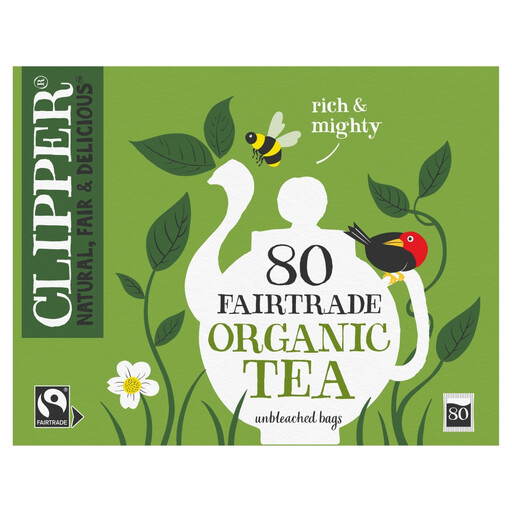
This 80-bag pack is a targeted option where the office asks for organic or Fairtrade tea. If purchasing requires documentation of either claim, check the current pack for this exact variant; do not infer its bag-disposal route from the name.
No. The tea bags discussed here brew in hot water without a capsule machine. If the office also wants coffee pods, assess the machine and compatible capsule format as a separate purchase.
No. Add a clearly labelled decaf tea when colleagues want a lower-caffeine alternative or workplace requirements call for one. It can sit alongside, rather than replace, the everyday blend.
Do not assume so. Morrisons limits the biodegradability statement for its PG Tips Original 210-bag product to industrial composting conditions where the council accepts the bags, while Twinings describes its cited English Breakfast bags as industrially compostable. Check the exact product and the office’s collection service before giving disposal instructions.
Keep the current packaging available so colleagues can check its ingredients and allergen information for the exact product supplied. Recheck the label when changing blends or pack variants rather than assuming their information is identical.
Follow the storage directions on the pack and choose a cupboard that meets them. Joybuy’s Yorkshire Tea 160S listing, for example, specifies a cool, dry place away from direct sunlight; check the directions for the product actually ordered.