Wired vocal-monitoring rehearsers
If you rehearse against a track from a laptop, audio interface or mixer, a closed-back wired model gives you a direct listening connection. Check that its plug, adapter and impedance suit the output you will use.


Choose closed-back wired headphones when a direct feed from your computer, audio interface or mixer matters most for rehearsing. Wireless active noise cancelling (ANC) headphones suit office distraction, calls and switching devices, but check how your voice will reach a recording app. If you need to capture your vocal without a separate microphone, look for a boom-mic headset with a connection that matches your equipment.
If you rehearse against a track from a laptop, audio interface or mixer, a closed-back wired model gives you a direct listening connection. Check that its plug, adapter and impedance suit the output you will use.
If surrounding chatter interrupts quiet rehearsal and you also take calls or move between devices, ANC and multipoint connection may be useful. Decide separately whether you need a microphone for recording.
If you need to hear the backing track and send your vocal to a computer, consider a headset with a boom microphone. Match its USB or separate microphone connection to your recording setup before buying.
Decide whether reducing office distraction, maintaining a direct monitoring connection or capturing your voice is your primary need. A headphone that handles playback does not necessarily provide the microphone connection your rehearsal requires.
| Concern | What to check | Who this matters to |
|---|---|---|
| Office chatter | Check for closed-back construction or explicitly specified ANC, and whether you need an ambient-awareness mode at work. | If nearby conversations break my concentration, I need a way to hear the track while remaining aware of colleagues or alarms when required. Around 42% of consumers put reducing office distraction first. |
| Direct monitoring | Match the headphone plug, supplied adapter and any impedance variant to your computer, interface or mixer. | When I rehearse timing and vocal balance from a desk, I want a direct connection to my playback source. For around 33% of consumers, that monitoring connection is the primary need. |
| Calls and voice capture | Confirm the microphone connection and its compatibility with your computer and application, particularly when using an audio cable. | If rehearsals may become recordings or I need to switch to work calls, I need to know where my voice is captured. Around 25% of consumers prioritise that call or vocal-input arrangement. |
Closed earcups provide passive separation; electronic noise cancelling is a different feature. A studio headphone should not be treated as an ANC model unless that function is specified.
Choose between passive isolation and ANC according to the office noise you need to manage, and check whether you must remain aware of your surroundings.
Sony's WH-1000XM6 help guide says calls made with its headphone cable connected to a smartphone use the phone microphone. Do not assume another model or connection mode routes voice in the same way.
Trace the backing-track, headphone and microphone connections through to the call or recording application before choosing a setup.
Capturing a vocal may require a separate microphone or compatible audio interface.
beyerdynamic offers 32-, 80- and 250-ohm DT 770 PRO versions and labels them for different source-device uses. The version matters when matching the headphone to your output.
Identify the device you will plug into, then select the corresponding variant rather than treating the versions as interchangeable.
Isolation that helps you follow a backing track may be inappropriate when you need to hear colleagues or an alarm.
Check your employer's headphone and emergency-awareness arrangements before rehearsing, and follow any requirement to use an awareness mode or remove a headphone.
Its SRH840A is a wired, closed-back studio-monitoring option.
Its wired, closed-back DT 770 PRO line offers versions for different playback sources.
The ATH-M50x, ATH-M50xBT2 and ATH-M50xSTS address different wired-listening, wireless and boom-mic needs.
Its WH-1000XM6 provides an ANC-focused option for listening and calls around office tasks.
These headphones and headsets offer different ways to listen while rehearsing at a desk: some focus on ANC, while wired and microphone-equipped options may suit other parts of the setup. Check the voice-input path separately if you intend to record.
 No image available
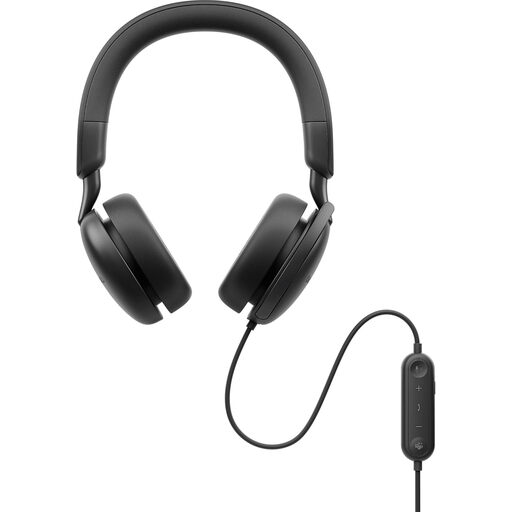
Consider this wired headset if office distraction and sending your voice to a computer are both priorities.
Check that its connection works with your computer and that your application can use the intended playback and microphone paths together; assess its listening suitability for your own rehearsal material.
 No image available
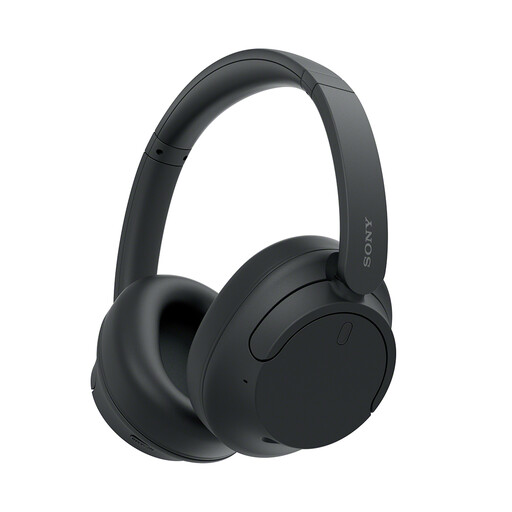
These over-ear ANC headphones are an option when listening amid office chatter is the main concern.
If you need to send your vocal to an application, confirm the microphone route in the connection mode you plan to use; do not assume an audio cable carries microphone input.
 No image available
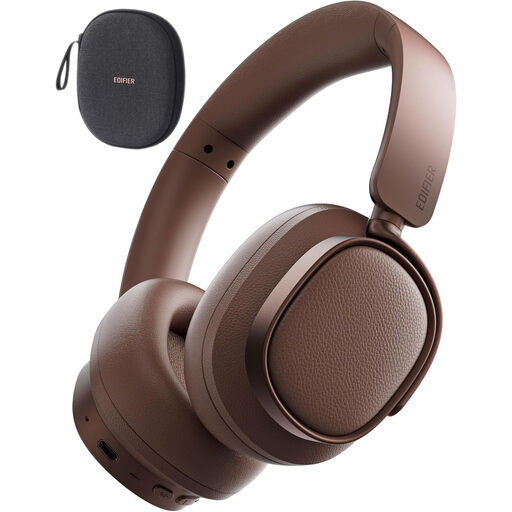
Consider this Bluetooth model if ANC and the option of wired listening fit your office routine.
Confirm the applicable battery runtime, whether an audio cable is included and how microphone input works when wired before relying on it for calls or vocal capture.
 No image available
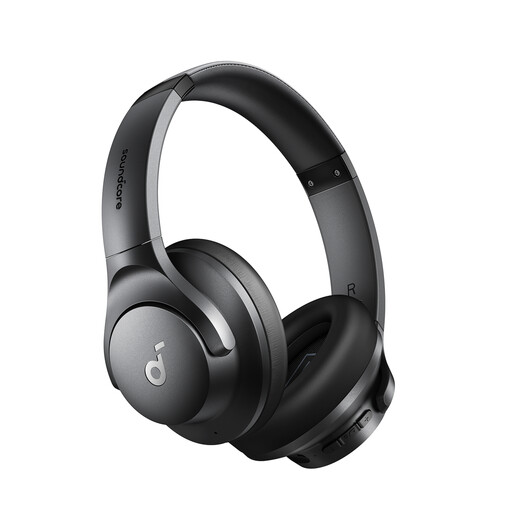
These over-ear headphones suit consideration when reducing office distraction is more important than choosing a dedicated studio-monitoring model.
If a cable or vocal-input connection is essential to your setup, confirm the included accessories and microphone routing before buying.
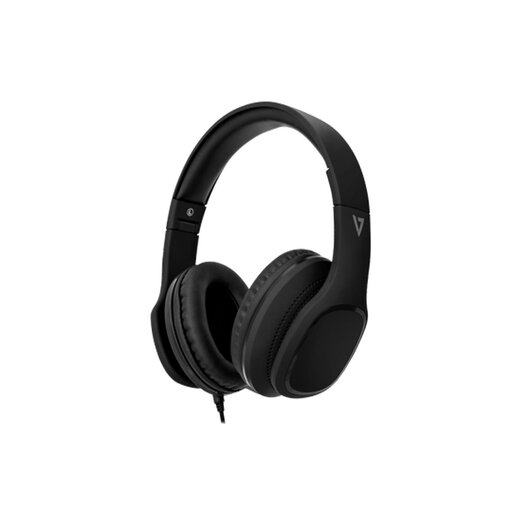 No image available
Consider this wired option if you have a suitable headphone connection and want passive separation from nearby sound rather than ANC.
The product name specifies 40 mm drivers and an inline MEMS microphone. Check whether your computer's connector and recording application can accept that microphone input.
Choose a closed-back wired model if you want a direct feed from a laptop, audio interface or mixer and can accommodate a cable. Check the output and adapter, and match the impedance variant to your device if you are considering the beyerdynamic DT 770 PRO.
Yes, when managing office distraction, taking calls and moving between devices are your priorities. Check the intended connection mode and vocal-input arrangement: Sony says WH-1000XM6 calls made with its cable connected to a smartphone use the phone microphone.
Listening headphones alone do not establish a complete recording connection. If you need to capture your voice, arrange a compatible microphone input or consider a boom-mic headset; Audio-Technica offers the ATH-M50xSTS with USB-A or separate 3.5 mm headphone and XLR microphone connection variants.
Follow your employer's rules on headphones, communication and awareness of alarms. In England, the Home Office's office fire-safety guidance bases precautions on the premises' fire-risk assessment, so the appropriate level of awareness depends on your workplace arrangements rather than a headphone feature alone.