
24/7 Customer Support

Free returns

Same-day & Next-day Delivery

Quality Guaranteed

Unlock Your Welcome Offers: FREE Delivery | Up to 80% OFF | Free 30-day JoyPlus trial
Download the APP
Performing your own oil change is a rewarding task for any car owner. It saves you money, gives you a better understanding of your vehicle and ensures the job is done to your standard. However, the satisfaction of a DIY job can quickly turn to frustration if you are equipped with the wrong tools. The market is flooded with options and many fall short when put to the test.
As a Joybuy Product Recommendation Officer, my role is to help you navigate these choices. We will look past the marketing hype and focus on what truly matters. Before you spend a penny, let’s examine the common pitfalls that catch out many UK car enthusiasts.
universal oil filter wrench, but this term can be misleading. A tool might be universal in theory but completely impractical for the tight, awkward spaces of your specific vehicle's engine bay. This often leads to a tool that simply cannot reach or grip the filter, rendering it useless.engine oil extractor pump is a clean alternative. However, low-quality models often suffer from poor seals and weak suction. This results in a slow, messy process that leaves a significant amount of dirty oil behind in the engine.To ensure your DIY oil change kit is effective and reliable, focus on a few non-negotiable parameters. Getting these right is the key to a smooth and successful oil change.
The most critical tool is the one that removes the old filter. Success here depends on two factors:
The material of your car service tools dictates their lifespan and performance. For a tool like an oil filter wrench, which must withstand high torque, material choice is paramount.
vehicle maintenance tools.If you opt for an extractor pump, the choice between manual and electric models depends on your needs for convenience and volume.
Based on these practical criteria, we have identified several oil change tools that are well-suited for different types of users in the UK.
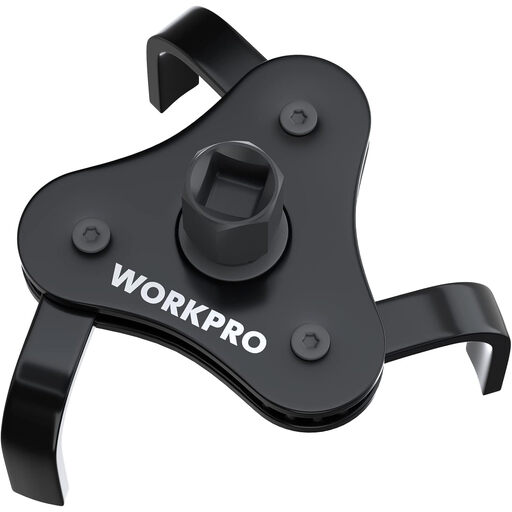
Why This Fits Their Persona: Ideal for the home user with a modern passenger car or SUV. Its compact, low-profile design is specifically engineered to access filters in the often-cramped engine bays of popular UK models from brands like Toyota, Audi and BMW.
It counters the "universal fit" illusion by stating a precise compatible diameter range of 70-110 mm. Its construction from heat-treated 45# carbon steel ensures it won't bend or break under pressure, avoiding the flimsy material trap.
The spring-loaded, self-locking claw design automatically tightens its grip as you apply force, preventing slippage on oily surfaces and ensuring efficient removal.
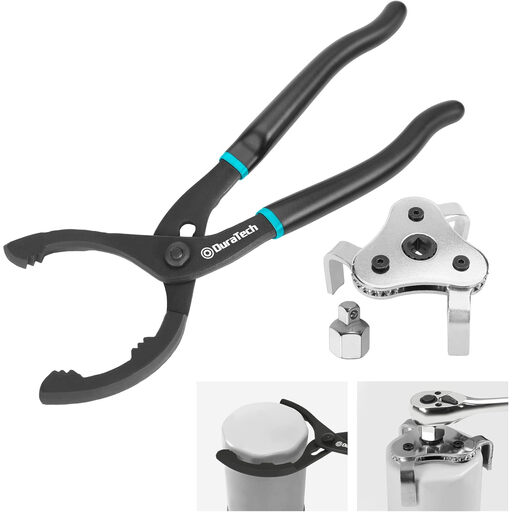
Why This Fits Their Persona: This set is for the serious enthusiast or professional who works on a wide variety of vehicles, from cars and motorcycles to trucks and farm equipment. The combination of long-handle pliers and a 3-jaw wrench provides maximum versatility.
Built from high-hardness hardened steel with a rust-resistant finish, this set is designed for long-term, heavy-duty use, directly addressing the flimsy material pitfall. Having two different tool types ensures you have a solution for both access and leverage problems.
The 2-piece set offers unparalleled versatility. The 12-inch pliers provide immense leverage for stubborn filters, while the 3-jaw wrench handles jobs in tighter spaces.
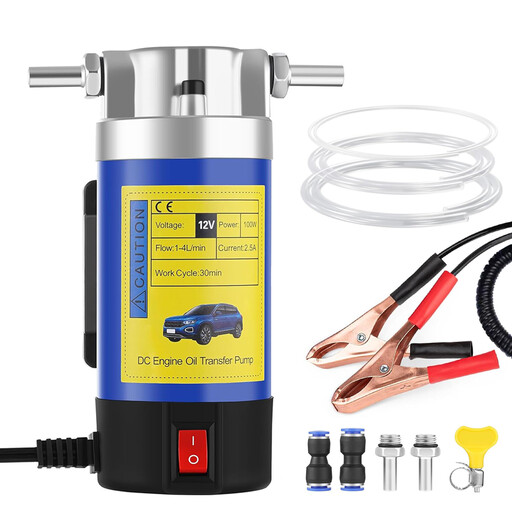
Why This Fits Their Persona: This is for the car owner who values a clean, quick and simple process. It allows for an oil change from the top of the engine via the dipstick tube, eliminating the need to get under the car or deal with a messy sump plug.
This electric pump directly solves the inefficient extraction pitfall of weak manual pumps. Its clear specifications (100W power, 1-4L/min flow) provide a reliable performance expectation, ensuring a timely and effective oil removal.
Its primary advantage is convenience. Being lightweight, portable and powered by the car's 12V battery, it allows you to perform an oil change almost anywhere without jacks or stands.
We have compiled a complete, real-time list of products that fully satisfy these strict selection criteria and UK safety regulations.
While some older advice suggests very short intervals, most modern cars driven in the UK can go much longer. Your first point of reference should always be your vehicle manufacturer's handbook. This will specify an interval based on mileage (typically 10,000-12,000 miles) or time (usually every 12 months), whichever comes first. Your driving habits—frequent short city trips versus long motorway journeys—also affect oil life.
If used incorrectly, it is possible. The key is to ensure a snug fit before applying significant force. A wrench that is too large or one made from flimsy metal can flex and crush the filter housing, making it even more difficult to remove. Always choose a sturdy tool made from hardened steel and ensure it grips the filter body securely. The objective is to turn the filter, not to squeeze it.
For the majority of modern vehicles, a quality engine oil extractor pump can be just as effective, removing a comparable amount of used oil. The method of extracting through the dipstick tube is often cleaner, faster and removes the risk of stripping your sump plug. That said, some mechanics suggest performing a traditional drain from the sump plug every few oil changes to help clear any heavy sediment that may have settled at the very bottom of the sump.