
24/7 Customer Support

Free returns

Same-day & Next-day Delivery

Quality Guaranteed

Unlock Your Welcome Offers: FREE Delivery | Up to 80% OFF | Free 30-day JoyPlus trial
Download the APP
An oil dispenser bottle can make everyday cooking cleaner and more controlled, but the wrong design may create drips, stale oil or difficult cleaning. Whether you need an olive oil dispenser for roasting vegetables, a kitchen oil cruet for the dining table or a seasoning dispenser for soy sauce, the appearance alone does not tell you how practical it will be.
Before buying, watch for three common traps:
A narrow opening that looks elegant but makes refilling difficult
Small necks can require a funnel and make it harder to clean residue from the inside.
“Non-drip” wording without a useful spout design
A bottle may still leave oil running down the outside if the spout does not control backflow or the lid does not close securely.
Choosing capacity without considering freshness and handling
A 1000ml oil dispenser may reduce refilling, but it can be bulky when pouring. A 280ml bottle is easier to handle, yet may need frequent top-ups in a busy kitchen.
The right choice depends on your cooking routine, preferred material, storage space and how much control you need over each pour.
A glass oil bottle lets you see the oil level and identify the contents quickly. This is useful when keeping olive oil, rapeseed oil and dressings together. Soda-lime glass is transparent and suitable for everyday kitchen use when handled carefully, although it can break if dropped.
A stainless steel oil dispenser offers a more opaque, impact-resistant alternative. It can suit busy kitchens where bottles are moved frequently or stored near a hob. Look for clearly stated food-contact materials, such as 304 stainless steel, and check the lid and seal materials as well. A wooden handle may improve grip, but it should be kept dry and cleaned according to the seller’s instructions.
Do not assume that a heavier bottle is automatically more durable. The quality of the spout, seal, handle attachment and base also affects everyday performance.
Common sizes include:
A 500ml oil dispenser is generally easier to lift with one hand than a full 1000ml model. For a large family kitchen, however, a 1000ml oil dispenser can be convenient if there is sufficient cupboard or worktop space.
Check the bottle’s height and width before ordering. A dispenser that fits beneath wall cupboards is more useful than one that must be stored in a drawer. For darker oils or infrequently used condiments, consider whether the design protects the contents from light and dust.
A leakproof oil bottle should have a secure lid, a stable handle and a spout that limits backflow. A built-in dust cover can help protect the opening between uses, particularly when the bottle sits beside the cooker.
Wide-mouth designs are easier to refill and wash than narrow-neck bottles. Detachable components are also valuable because oil can collect around seals and spout joints. Look for parts that can be separated for hand washing, then dry them fully before reassembly.
An oil dispenser with brush is a different type of product from a simple pouring cruet. It is designed to spread oil, egg wash, honey or sauces across food, rather than simply drizzle oil into a pan. Do not use a silicone brush directly against an open flame, and follow the product’s heat-use guidance.
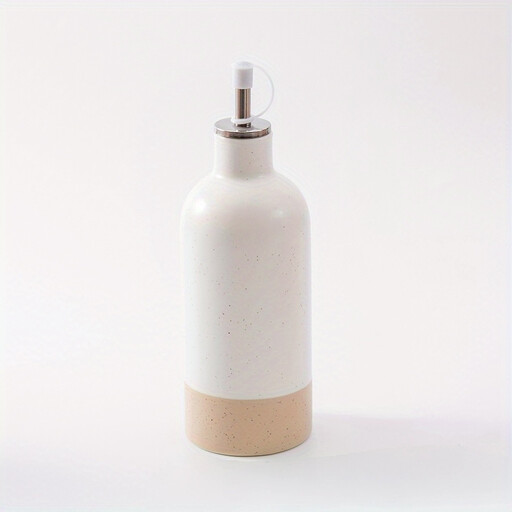
Why This Fits Their Persona: A two-piece set can suit renters, first-time kitchen shoppers or households that want separate bottles for oil and another condiment.
Using two containers makes it easier to label or separate cooking oils and sauces instead of repeatedly mixing contents in one bottle.
Set of two; useful for organising different liquid condiments in the kitchen.
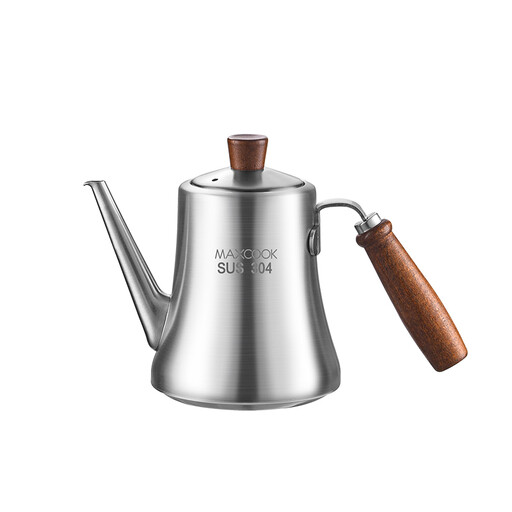
Why This Fits Their Persona: This suits cooks who prefer a sturdy, opaque container with a comfortable handle for controlled one-handed pouring.
Its stated eagle-style spout is designed to reduce sticking and backflow, while the built-in dust cover helps shield the opening between uses.
304 stainless steel pot; wide opening for refilling and cleaning; non-slip handle.
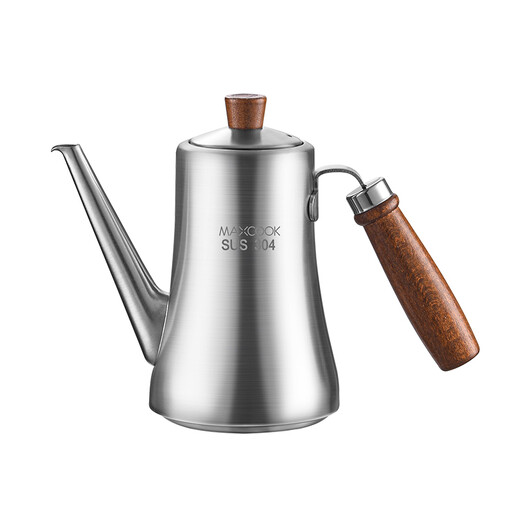
Why This Fits Their Persona: The larger capacity is suited to frequent frying, batch cooking or households that use several servings of oil each day.
The wide-diameter body is intended to simplify refilling without a funnel, helping reduce spills caused by awkward transfers.
1000ml capacity; 304 stainless steel pot; one-handed operation; fitted dust cover.
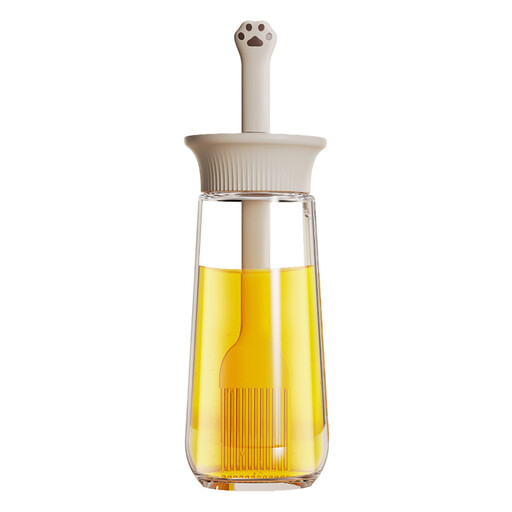
Why This Fits Their Persona: A compact oil dispenser with brush is useful for baking, glazing vegetables, applying egg wash or spreading honey and sauces.
The detachable lid and brush allow the components to be washed separately, addressing residue build-up around an integrated applicator.
280ml soda-lime glass body; food-grade silicone brush; transparent level visibility; detachable parts.
We have compiled a complete, real-time list of products that fully satisfy these strict selection criteria and UK safety regulations.
Use these habits to extend the useful life of your bottle:
For a transparent bottle, label different oils clearly if several are stored together. For an opaque stainless steel model, labelling is particularly useful because the contents cannot be seen at a glance.
It depends on how you use it. Glass makes the oil level and contents visible, while stainless steel is less vulnerable to breakage and blocks light more effectively. Prioritise a secure lid, easy-clean opening and suitable capacity over appearance alone.
Choose around 500ml for general household cooking and easier one-handed handling. A 1000ml model suits frequent cooking but needs more worktop space and may feel heavier when full. Smaller 280ml bottles work well for baking, table use and occasional drizzling.