
24/7 Customer Support

Free returns

Same-day & Next-day Delivery

Quality Guaranteed

Unlock Your Welcome Offers: FREE Delivery | Up to 80% OFF | Free 30-day JoyPlus trial
Download the APP
An oil dispenser bottle can make everyday cooking tidier, but the wrong design may create more work than it saves. A narrow opening can make refilling frustrating, an imprecise spout can leave oil running down the side, and a decorative bottle may be difficult to clean properly.
For UK kitchens, the most useful choice depends on how you cook, where the bottle will be stored and whether you need controlled pouring, brushing or seasoning storage. Before buying an olive oil dispenser or cooking oil bottle, look beyond appearance and check the construction, capacity and cleaning method.
An attractive glass oil bottle is not automatically easy to use. Some designs have a small opening that makes refilling slow or requires a funnel. Others use a basic pourer that allows oil to drip down the outside, leaving greasy marks on worktops and cupboard shelves.
Look for a shaped spout, a secure lid or a design that separates pouring from storage. A leakproof oil bottle should also have a stable base and a closure that fits firmly after use.
A 1,000ml kitchen oil bottle reduces the frequency of refilling, but it may be heavy when full. This matters if you cook with one hand or regularly move the bottle between the worktop and a cupboard. A 280ml or 500ml oil cruet may be easier to control for everyday use.
Capacity should match your routine:
Oil residue can collect around spouts, seals and lids. If these parts cannot be removed, the dispenser may become difficult to wash thoroughly. Check whether the bottle is detachable and whether the manufacturer gives clear washing instructions.
Materials also affect daily use. Glass allows you to see the fill level, while stainless steel blocks light and is less likely to show surface marks. Silicone seals can help with closure and leak resistance, but they should be checked regularly for wear. Always follow the product’s care instructions and use only food-safe liquids.
A glass oil bottle is transparent, so it is easy to monitor the remaining oil and identify the contents. Soda-lime glass is used in the Maxcook dispenser with brush listed below. Glass can be heavier and should be handled carefully around hard kitchen surfaces.
A stainless steel oil dispenser provides an opaque alternative. The Maxcook 304 models use 304 stainless steel for the pot, with silicone components and a beech wood handle. Stainless steel can suit busy kitchens where durability and a clean, understated appearance are priorities.
Mixed-material designs may combine a glass or steel body with PP, silicone or wood components. Check how each part should be cleaned, particularly when using the dispenser for sauces, honey or egg wash as well as oil.
An eagle-style or tapered spout can help direct the flow more accurately than a wide open neck. A cover is useful where the bottle is kept beside the hob, as it helps reduce exposure to dust and cooking splashes.
However, no spout removes the need to wipe the nozzle occasionally. For a more controlled application, consider an oil dispenser with brush, especially for roasting trays, pastry and barbecue cooking.
A wide mouth is more convenient for topping up from a larger oil container and may avoid the need for a funnel. Detachable parts are valuable when the bottle is used for sticky liquids such as honey, jam or sauces.
Before buying, check:
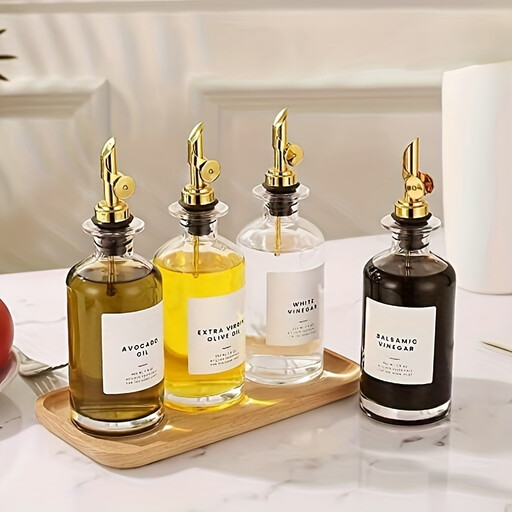
Why This Fits Their Persona: A two-piece set can help new kitchen organisers separate olive oil, chilli oil or another seasoning without buying individual bottles.
Using two matching bottles can reduce the temptation to decant several liquids into unsuitable containers. Confirm the opening and closure details before purchase.
Two bottles in one set; transparent glass makes the contents and fill level visible.
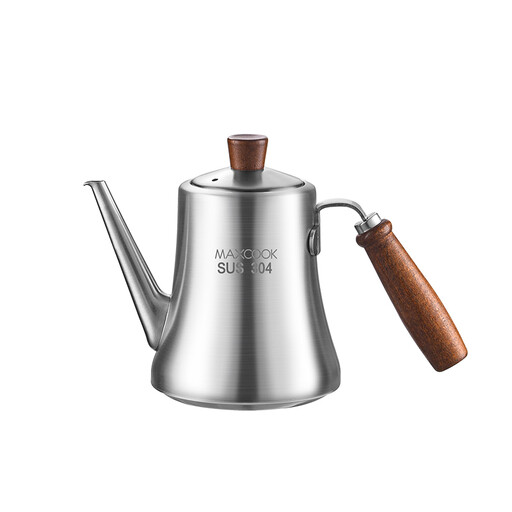
Why This Fits Their Persona: This is suited to cooks who want a mid-sized stainless steel dispenser with a handle for controlled, one-handed use.
The wide-diameter design is specified for easier refilling and cleaning, while the fitted dust cover addresses exposed-spout concerns.
304 stainless steel pot; eagle-style spout and non-slip beech wood handle.
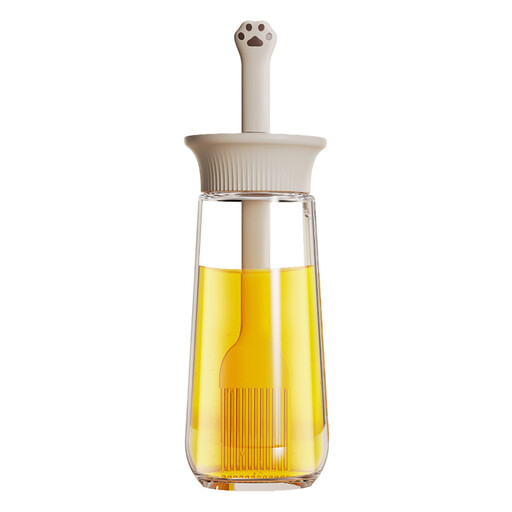
Why This Fits Their Persona: Bakers and keen cooks can use the integrated brush for oil, egg liquid, honey, jam and sauces when preparing food.
The detachable lid and brush allow the components to be washed separately, helping address residue build-up around an integrated applicator.
Soda-lime glass body; food-grade silicone brush and funnel-shaped mouth.
We have compiled a complete, real-time list of products that fully satisfy these strict selection criteria and UK safety regulations.
Wash a new reusable oil bottle according to its instructions before filling it. Avoid topping up repeatedly without emptying and cleaning first, as older oil can remain around the base or spout. Dry every component fully before reassembly, particularly after using water-based sauces.
Keep glass bottles away from the edge of the worktop, and do not expose silicone brushes to direct flames or extreme heat. Inspect seals, lids and spouts periodically; replace the dispenser if any part becomes cracked, loose or difficult to secure.
Yes, a glass oil dispenser can be suitable for olive oil when it is intended for food use and kept clean. Its transparent body makes the remaining quantity easy to see. Store it away from direct heat and strong sunlight where possible, and follow the care instructions supplied with the product.
Clean it whenever it is emptied, before changing to a different liquid and whenever residue is visible around the spout or lid. A detachable design is generally more convenient for thorough hand washing. Dry it completely before adding fresh oil.
A 500ml model is usually easier to lift, pour and store for everyday cooking. A 1,000ml model may suit heavy users who refill less often, but its full weight and required cupboard or worktop space should be considered before purchase.