People heating one cold room
If a bedroom, home office or living area feels cold while the rest of the flat is tolerable, an oil-filled radiator may suit supplementary heating where steady warmth matters more than an immediate blast of heat.


An oil-filled radiator can provide steady supplementary heat in one occupied room if you can allow time for it to warm up. Choose output and controls to suit the room and your routine, while leaving safe clearance around the heater. More wattage raises maximum electricity use, and portable heat will not resolve condensation, inadequate ventilation or a building defect.
If a bedroom, home office or living area feels cold while the rest of the flat is tolerable, an oil-filled radiator may suit supplementary heating where steady warmth matters more than an immediate blast of heat.
Heating one occupied room selectively makes the thermostat, lower-power settings and timer worth checking. Energy Saving Trust notes that direct electric heating can be expensive, particularly in a poorly insulated home.
If condensation, damp patches or mould accompany the cold, separate the decision to improve comfort from the need to address moisture or a building problem. GOV.UK ventilation guidance explains that moisture can condense on cold walls when ventilation is ineffective.
Start with the room and its heat loss, then check how the radiator will be controlled and where it can stand safely. A stated room size is a starting point, not a promise of comfort beside a cold external wall.
| Concern | What to check | Who this matters to |
|---|---|---|
| Steady room heat | Compare the exact model’s stated room coverage, output range and thermostat with the room’s size and insulation. Allow for a slower warm-up than a fan heater. | If cold walls leave my occupied room uncomfortable, I need enough sustained heat rather than choosing by fin count alone. Around 36% of consumers would put adequate room heat first. |
| Electricity use | Check rated wattage, lower settings, thermostat and timer against when you will occupy the room. Higher wattage means higher maximum electricity input while the heater is drawing full power. | I want to warm the room I am using without leaving a heater at its highest setting unnecessarily. For around 29% of consumers, controlling electricity use would be the primary concern. |
| Condensation and damp | Look for recurring condensation, leaks or mould, and keep suitable ventilation operating. Raise persistent damp with the landlord or managing agent rather than relying on portable heat alone. | When moisture keeps returning to a cold wall, I need to address its cause as well as feeling warmer. That distinction would come first for around 21% of consumers. |
| Safe placement | Measure the available floor space and check the exact model’s clearance instructions, stable placement and suitability for the intended socket location. | In a tight room, I need somewhere the radiator can stand clear of curtains, bedding and furniture. Around 14% of consumers would prioritise safe fit and placement. |
A higher-rated heater offers more available output but draws more electricity at full power. It cannot repair poor insulation, inadequate ventilation or another building defect.
Check the exact model’s room guidance and settings alongside the room’s heat loss. Choose higher output for a specific heating need, not as the automatic setting for every small room.
GOV.UK ventilation guidance explains that moisture can condense on cold surfaces when ventilation is ineffective. A warmer room does not, by itself, resolve recurring damp or mould.
Keep suitable ventilation operating, check for persistent moisture or leaks, and report an ongoing problem to the landlord or managing agent.
Restricted airflow or covering a portable heater creates an overheating and fire risk. Its fins can remain hot after switch-off.
Measure the intended spot, follow the exact model’s clearance instructions and keep curtains, bedding and furniture away from the heater.
A thermostat, timer or tip-over switch does not make an obstructed or unattended heater safe.
Stand the radiator on a stable surface, maintain clear airflow and follow its instructions on sockets, bathrooms and switching it off before sleep.
Worth comparing if electronic temperature control, a timer and several power settings matter more than easy lifting.
Relevant when comparing a smaller 1,500W model with a higher-output 2,500W model that has a timer.
A range to examine if you want to compare outputs and controls before settling on one model.
These models offer different rated outputs and controls for supplementary heating in one room. For a cold-walled flat, check the intended room conditions and safe placement before choosing by wattage alone.
 No image available
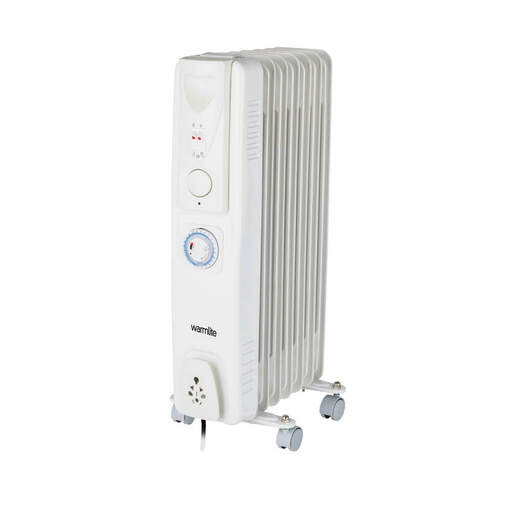
Consider this for supplementary heat where a 2kW maximum output is appropriate. Check whether its room guidance suits your cold-walled space, rather than assuming guidance for a well-insulated room will apply.
Confirm the plug type and allow clear space around the radiator.
 No image available
Consider this if a 1500W maximum output and scheduled supplementary heating fit your room and routine. Check how its room guidance applies to a space with cold walls.
The product name specifies three heat settings, an adjustable thermostat, a 24-hour timer, overheat and tip-over protection, and castors. Confirm the plug type before use.
 No image available
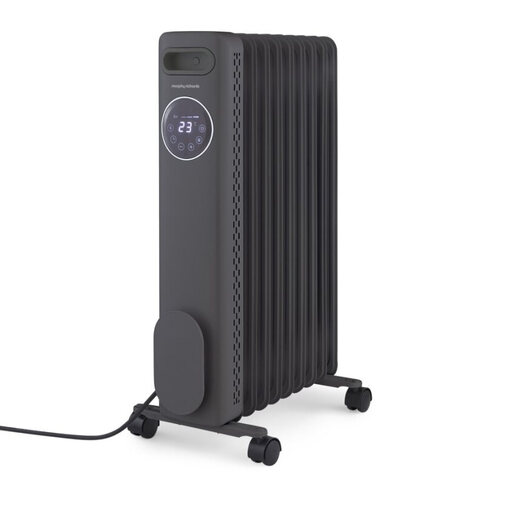
This is another 1500W option to assess for supplementary room heat. Check its room guidance against the size and heat loss of your cold-walled room.
The product name specifies an adjustable thermostat, a 24-hour timer, and tip-over and overheat protection. Confirm the plug type and the output of each setting if those details matter to your choice.
 No image available
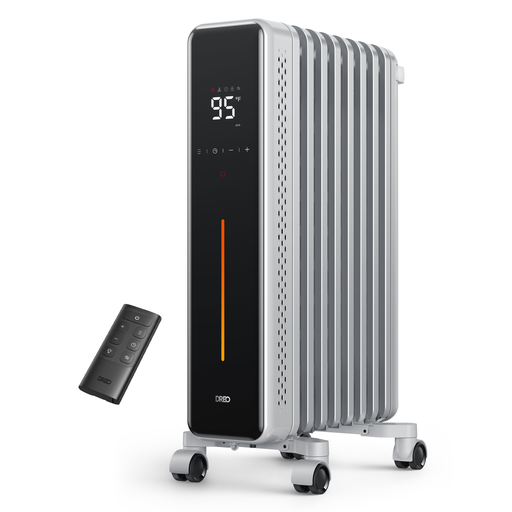
Consider this if you want a 2kW option with digital controls for supplementary room heating. Check the exact room guidance before relying on it for a cold-walled space.
The product name specifies remote control. Confirm the plug type and leave the clearance required by the model’s instructions.
 No image available
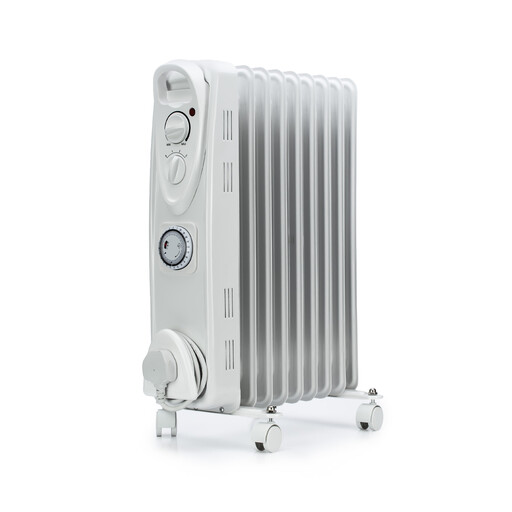
Consider this for supplementary heat if its 2000W maximum output and available floor space suit your room. Check room guidance before deciding it will meet the needs of a cold-walled space.
The product name specifies three heat settings, an adjustable thermostat and a timer. Check the timer’s operation and plug type before buying.
No. It can improve comfort, but it cannot resolve trapped moisture, a leak, ineffective ventilation or a building defect. GOV.UK ventilation guidance explains that moisture can condense on cold walls; keep suitable ventilation operating and report persistent damp or mould to the landlord or managing agent.
At full rated input, a 1,500W radiator uses 1.5kWh in an hour, a 2,000W radiator uses 2kWh and a 2,500W radiator uses 2.5kWh. Actual use depends on the selected setting, operating time and thermostat cycling, so compare those factors rather than treating the maximum rating as constant use.
Do not make overnight operation a routine practice. Electrical Safety First advises against using a portable heater overnight; a timer can switch it off before bed, but does not replace safe placement or supervision.
Check for a suitable UK 3-pin plug and enough space to follow the exact model’s clearance instructions. Keep airflow unobstructed, never cover the radiator, and check its instructions for socket and bathroom restrictions before choosing where it will stand.