Choose fromage frais for a spoonable chilled snack or grated cheese as a meal ingredient; they are different foods, not versions of a single “pre-grated fromage frais” product. If appetite is poor, compare energy and protein in the portion likely to be eaten, alongside sugars, saturated fat and salt. For anyone with a prescribed texture-modified diet, the finished food must fit their individual clinical plan rather than being judged by whether it looks smooth or finely grated.
Who is choosing?
Older adults with a poor appetite or unintentional weight loss
Small portions need to contribute to overall food intake. East Suffolk and North Essex NHS Foundation Trust recommends considering energy- and protein-dense foods, eating little and often, and food fortification in its guidance for poor appetite or weight loss. A dairy label alone does not show what a realistic portion contributes.
Family carers choosing snacks and meal ingredients
A pot of fromage frais and a bag of grated cheese serve different purposes. Compare the nutrition panel for the amount likely to be eaten, then check ingredients, date labels and storage instructions on the current pack.
Carers following a prescribed texture plan
For a person with a diagnosed chewing or swallowing difficulty, neither “smooth” nor “grated” establishes that a food is suitable. The International Dysphagia Diet Standardisation Initiative (IDDSI) says foods should be tested under intended serving conditions and individual recommendations are the clinician’s responsibility.
What should you check?
Spoonable fromage frais
Choose when: A chilled snack or dessert fits the meal and the person can eat its usual consistency safely.
Keep in mind: Pot sizes and nutrition differ, and a smooth appearance does not establish suitability for a prescribed swallowing plan.
Grated cheese
Choose when: A meal calls for a cheese ingredient and the finished dish fits the person’s eating needs.
Keep in mind: Check saturated fat and salt as well as energy and protein; grating alone does not establish a suitable finished texture.
Decide whether the food is a snack or an ingredient, then compare labels using portions that make sense for that use. The figures below describe particular products, not every fromage frais or grated cheese.
| Priority |
What to check |
Your needs |
| Energy and protein |
Read values per pot or intended cheese portion, rather than comparing unlike per-100g figures. Sainsbury’s lists 79 kcal and 4.3 g protein per 85 g Munch Bunch pot; Tesco lists 125 kcal and 7.5 g protein per 30 g of its mature grated Cheddar. |
When appetite is poor, I want to know what the amount actually eaten adds to a snack or meal. |
| Calcium and vitamin D |
Check whether each nutrient is declared and in what amount per serving; do not assume vitamin D is added. The NHS states that adults need 700 mg of calcium and 10 micrograms of vitamin D a day. |
I want to see how a serving contributes alongside the rest of the diet, rather than treating one pot or topping as a complete daily supply. |
| Finished texture |
For a prescribed texture-modified diet, check the individual IDDSI level and the food as served. IDDSI says testing should reflect intended serving conditions and individual recommendations require clinical assessment. |
If I am preparing food for someone with swallowing difficulties, I cannot rely on “smooth” or “grated” as a safety test. |
| Sugars, saturated fat and salt |
Compare the full panel at a relevant portion size. Sainsbury’s lists 9.1 g sugars per 85 g Munch Bunch pot; Tesco lists 6.4 g saturated fat and 0.53 g salt per 30 g of its mature grated Cheddar. |
For a regularly served snack or ingredient, I want to consider these figures as well as protein and energy. |
| Chilled storage |
Read the pack’s temperature, date and after-opening instructions. GOV.UK distinguishes safety-related use-by dates from quality-related best-before dates and says food labelled for refrigeration after opening should be kept at 5°C or below. |
I need a product I can store and use according to its current label, particularly when a pack will be opened more than once. |
Common buying mistakes
-
Searching for “pre-grated fromage frais” as though it were one food
The reviewed UK listings show spoonable fromage frais pots and grated Cheddar as separate products. Confusing them means comparing portions and textures intended for different uses.
Choose the food’s role first: a chilled snack or a grated ingredient for a dish. Then compare labels within the route that fits the meal.
-
Assuming smooth or grated means suitable for swallowing difficulties
Texture can change when cheese is added to a dish, and a food’s appearance does not establish its IDDSI level. IDDSI calls for assessment under intended serving conditions.
If there is a prescribed texture plan, follow the individual level and seek guidance from the relevant clinician before serving either food.
-
Treating one dairy portion as a complete nutrition plan
One pot or small cheese portion cannot, on its own, establish whether someone with poor appetite is eating enough. East Suffolk and North Essex NHS Foundation Trust’s food-first guidance considers intake across meals and snacks.
Consider the portion as part of the wider eating plan, and seek professional assessment for unexplained weight loss or condition-specific dietary needs.
-
Overlooking dates and instructions after opening
GOV.UK explains that use-by dates concern safety, while best-before dates concern quality. Opening and storage instructions also affect how a chilled product should be handled.
Check the current pack before serving it, follow its stated temperature and opening-life instructions, and keep food labelled for refrigeration after opening at 5°C or below.
Product-label examples
These retailer-listed products illustrate why food type and serving size matter; the brand references do not indicate which products are available on Joybuy.
Tesco
Tesco British Mature Grated Cheddar is a grated ingredient to consider for a dish whose finished texture suits the person eating it.
- Tesco lists 125 kcal and 7.5 g protein per 30 g serving of its 250 g product.
- The same serving lists 6.4 g saturated fat and 0.53 g salt; check the current pack when comparing portions.
Cathedral City
Cathedral City’s grated mature Cheddar is another cheese-ingredient example, rather than a spoonable snack.
- Tesco lists 124 kcal, 7.5 g protein and 218 mg calcium per 30 g serving of the 180 g product.
- The listing gives 0.5 g salt per serving and says to use the cheese within three days of opening or freeze it for cooking.
Munch Bunch
Munch Bunch Double Up is a fromage frais sold in individual 85 g pots. Its child-oriented presentation does not establish suitability for an older adult’s overall dietary needs.
- Sainsbury’s lists 79 kcal, 4.3 g protein, 124 mg calcium and 0.8 micrograms vitamin D per pot.
- The same pot lists 9.1 g sugars; compare the full label with the intended portion and wider diet.
Piątnica
Piątnica Vanilla Fromage Frais comes in a 150 g pot for someone seeking a spoonable chilled food, provided its texture is suitable for them.
- Sainsbury’s lists 138 kcal and 7.2 g protein per 100 g.
- It also lists 13 g sugars and 4.4 g saturated fat per 100 g, with refrigerated storage specified at +1°C to +8°C.
Grated cheese on Joybuy
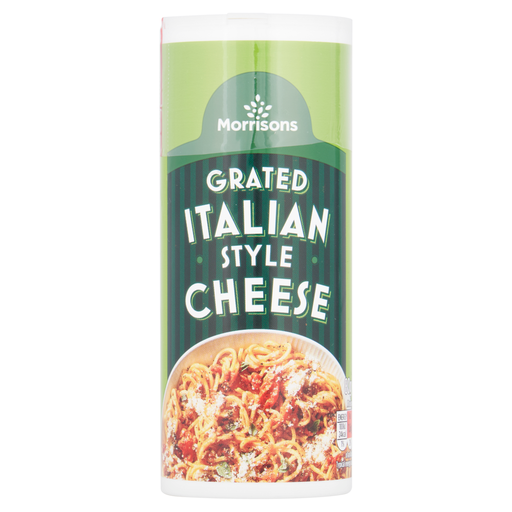
This grated cheese is an ingredient option for a meal, not a fromage frais snack. Check the portion and the finished dish against the older adult’s eating needs.
 No image available
Morrisons Grated Italian Style Cheese 80g
A grated cheese ingredient for a dish whose finished texture suits the person eating it. The pack is 80 g; check the current label for nutrition in the portion you plan to serve, ingredients, allergens and storage instructions.
View on Joybuy
Questions about choosing and storage
Is “pre-grated fromage frais” a UK grocery format?
The reviewed UK retailer listings show fromage frais as a spoonable chilled food and pre-grated Cheddar as a separate cheese ingredient. Search for the food role you need rather than expecting a grated version of fromage frais.
Which gives more energy and protein in a small portion?
In the listed examples, Tesco mature grated Cheddar provides 125 kcal and 7.5 g protein per 30 g, while Sainsbury’s lists 79 kcal and 4.3 g protein per 85 g Munch Bunch fromage frais pot. Those are different foods and portion sizes: compare the amount likely to be eaten, and consider the cheese’s saturated fat, salt and finished texture too.
How should chilled fromage frais and grated cheese be stored?
Follow each pack’s temperature, date and after-opening instructions. GOV.UK says use-by dates concern safety, best-before dates concern quality, and food labelled for refrigeration after opening should be kept at 5°C or below. Product instructions differ: Tesco’s Cathedral City listing specifies use within three days of opening or freezing for cooking, while Sainsbury’s Piątnica listing specifies storage at +1°C to +8°C.
Does a calcium or vitamin D label cover a whole day’s needs?
Not necessarily. The NHS states that adults need 700 mg of calcium and 10 micrograms of vitamin D a day. Read the amount declared for the serving actually eaten and consider it alongside the rest of the diet; do not assume every dairy product contains added vitamin D.


