What should you check?
Decide whether the guest wants a conventional milk-based drink or a fizzy one, then compare the exact packs you might serve. A prescribed swallowing plan takes priority over either ordinary-drink choice.
Conventional milkshake
Consider it when: A guest can drink ordinary fluids and you want a milk-based accompaniment with declared nutrition values.
Bear in mind: Sugars, ingredients and portion sizes differ between products; a familiar flavour does not settle those checks.
Sparkling milky drink
Consider it when: A guest wants fizz and has no restriction on ordinary fluids.
Bear in mind: Carbonation changes how the drink is served, and its nutrition should be checked separately from a milkshake’s.
Individually prescribed drink
Follow this route when: A guest has a prescribed thickened-fluid or other swallowing plan.
Bear in mind: A drink described as thick or smooth does not establish that it meets the prescribed consistency.
| Priority | What to check | Your needs |
|---|
| Protein and calcium |
Compare declared amounts per 100ml, then consider the amount poured. Check calcium on the exact pack rather than assuming every milk-based drink declares the same amount. |
I’m serving a milk-based drink partly for its protein or calcium contribution, not just its flavour. |
| Sugars and sweeteners |
Read the sugars value per 100ml alongside the ingredients and any no-added-sugar claim. Check whether sweeteners are listed. |
I’d like to compare sweetness-related label details without treating “no added sugar” as “sugar-free”. |
| Fizz and drink texture |
Check whether the drink is carbonated. If a guest has a prescribed fluid consistency, follow their individual preparation plan; Royal United Hospitals Bath NHS Foundation Trust advises stirring carbonated drinks flat before adding thickener in its Level 1 guidance. |
A guest wants fizz, or someone attending needs a drink prepared to a specified swallowing consistency. |
| Allergens |
Read the current pack’s ingredient and allergen information, including milk and any declared cereals or soya. GOV.UK says regulated allergens present in prepacked food and drink must be clearly labelled. |
Before I pour a drink, I need to check that its ingredients suit the person receiving it. |
| Portion and storage |
Compare bottle or can size with the amount you intend to serve. Follow the exact pack’s storage and date instructions, especially after opening. |
A smaller pour may make more sense alongside tea and food than treating an entire bottle as one serving. |
Brand references
These examples illustrate label differences in conventional chocolate milk drinks; they are not a ranking or a statement about every product in each range.
Yazoo
Yazoo’s Chocolate drink is a conventional flavoured milk option to compare with fizzy drinks.
- Yazoo declares protein and calcium for its Chocolate product, so those values can be checked against the portion served.
- Its Chocolate product also declares sugars; check the current ingredients and nutrition panel rather than assuming a milk drink has no added sugar.
FRijj
FRijj Chocolate appears in 330ml and 471ml UK retailer listings, with different pack details to check.
- Sainsbury’s lists protein and calcium values for the 330ml Chocolate product.
- The 330ml listing also declares sugars. Tesco’s 471ml listing has its own nutrition and refrigeration details, so use the exact pack for comparison.
Mars
The 400ml chocolate-flavoured milk drink is an example for comparing a no-added-sugar claim with the rest of a label.
- ASDA’s listing identifies the 400ml product as no added sugar and declares protein.
- The listing identifies milk and barley. Check the current pack for its sugars, sweeteners and allergens; no added sugar does not mean sugar-free.
Joybuy drink options
These options include ready-to-drink shakes for the conventional-drink route and one melon-flavoured option for guests considering fizz. Compare the current pack with the guest’s preferences and any swallowing plan before serving.
 No image available
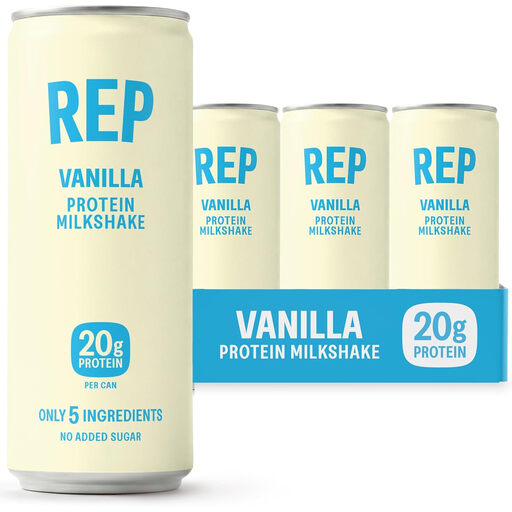
REP Vanilla Protein Shakes, 8 × 250ml
The 250ml can size gives you a defined portion to consider alongside afternoon tea. Check the current nutrition and allergen label if protein, sugars or milk ingredients matter to your guest; do not assume an ordinary shake meets a prescribed swallowing consistency.
View on Joybuy
 No image available
Applied Nutrition Strawberries & Cream Shake, 8 × 330ml
Consider this strawberry-and-cream variant if that flavour appeals to the guest. Its 330ml bottle size is stated in the product name; check the pack for nutrition, sweeteners and allergens, and follow any individual swallowing plan.
View on Joybuy
 No image available
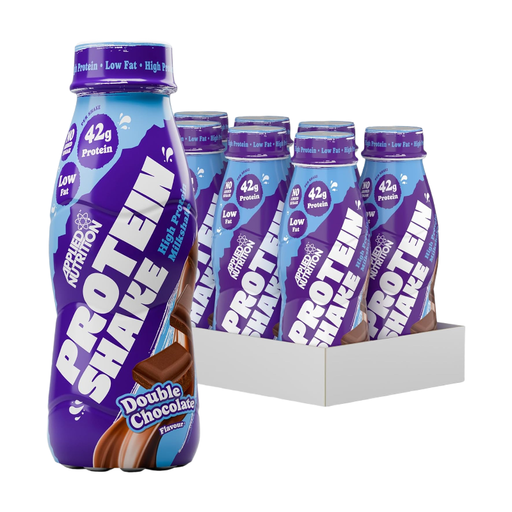
Applied Nutrition Double Chocolate Shake, 8 × 500ml
This chocolate variant comes in 500ml bottles, so decide how much to pour rather than treating bottle size as the required serving. Check the current nutrition panel, ingredients and any swallowing instructions relevant to the guest.
View on Joybuy
 No image available
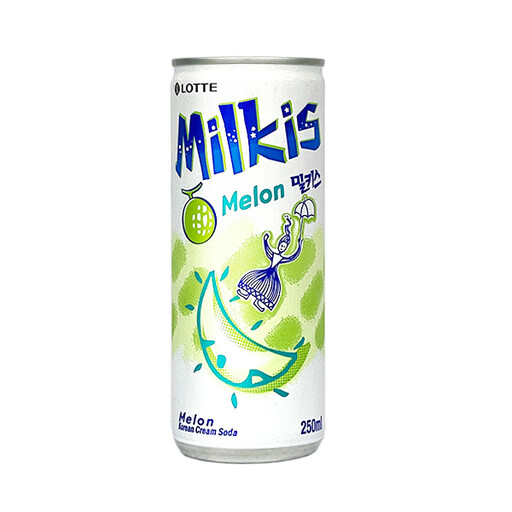
Lotte Milkis Melon Drink, 250ml
Consider this melon-flavoured option only for a guest who wants a fizzy drink and can drink ordinary fluids. Check the can for its ingredients, allergens and nutrition rather than treating it as a conventional milkshake; follow an individual plan where thickened fluids are prescribed.
View on Joybuy
Questions about serving these drinks
Is a sparkling milky drink the same as a milkshake?
No. A sparkling drink adds carbonation, while conventional milkshakes and fizzy milky drinks need to be compared by their own ingredients and nutrition panels. If protein or calcium is the reason for choosing a milkshake, check the amounts declared on the exact drink before substituting another.
Can someone with dysphagia have an ordinary milkshake or sparkling drink?
Check their individual swallowing plan before serving either drink. The NHS says dysphagia may require changes to drinks under specialist advice; a retail drink’s texture description does not establish the prescribed consistency. Royal United Hospitals Bath NHS Foundation Trust’s Level 1 guidance says to stir a carbonated drink flat before adding thickener.
Does “no added sugar” mean a milk drink is sugar-free?
No. A milk drink can still contain naturally occurring sugars. Compare the sugars value and ingredients on the current pack, and check whether sweeteners are listed.
Which allergens should I check before serving?
Check the actual pack against each guest’s known allergens, particularly milk and any declared cereals or soya. GOV.UK says regulated allergens present in prepacked food and drink must be clearly labelled; a familiar brand or flavour is not a substitute for reading that pack.
How should an opened milkshake be stored?
Follow the storage and date instructions on the exact bottle or carton. Tesco’s listing for the 471ml FRijj Chocolate product says to keep it refrigerated; do not apply one product’s instructions to a different drink or pack.


