Evening mystery viewers
If you usually watch after dark, you may care most about distinguishing faces and objects in dim scenes without losing the details that make a mystery readable.


Start with the screen size your seating position and furniture can accommodate. For detective series watched mainly in a dim room, a compact OLED is worth comparing for its pixel-level control of dark areas; if daylight or lamps are the greater concern, compare Mini LED models instead. Neither display label settles how a particular TV will handle shadows or reflections in your room.
If you usually watch after dark, you may care most about distinguishing faces and objects in dim scenes without losing the details that make a mystery readable.
A close sofa, narrow wall or existing TV unit makes the television’s full dimensions and viewing comfort as important as its advertised screen diagonal.
Windows, lamps and seats to the side of the screen make reflections and the view from each usual seating position part of the decision.
Choose the position and size of the screen before comparing display technologies. Then judge picture characteristics against the light and seating conditions in which you actually watch.
Consider it when: Detective series are mainly watched in controlled light and dark-scene separation matters most. LG and Sony describe OLED pixels as individually controlled.
Allow for: The exact size still has to fit, and reflections and shadow detail should be judged on the model you are considering.
Consider it when: Daylight or lamps make a brighter-room comparison more relevant. Samsung, Sony and LG describe controlled lighting or brightness in their Mini LED ranges.
Allow for: Local dimming, reflections and the picture from off-centre seats vary by model; the Mini LED name alone cannot settle them.
| Concern | What to check | Who this matters to |
|---|---|---|
| Dark-scene detail | Compare a dark scene on the exact model, preferably from your usual seat; a 4K label does not establish shadow performance. | If dimly lit clues and faces disappear into black, I lose part of the story. Seeing those details would be the primary concern for around 40% of consumers. |
| Size and fit | Measure seating distance and available width and depth, then check the TV’s dimensions with its stand. | I need the screen to fit my TV unit without making the view from the sofa uncomfortable. Around 30% of consumers would put physical fit first. |
| Daylight and reflections | Check where windows and lamps appear on the screen and assess the exact model from your normal seats. | When I watch during the day, a reflected window can distract me from the picture. Managing room light would come first for around 20% of consumers. |
| Dialogue and services | Check your streaming apps and their subtitle or audio-description options on the exact TV; confirm licensing requirements for how you watch. | I rely on clear dialogue or access services to follow the plot. For around 10% of consumers, that access would be the primary need. |
A diagonal measurement does not tell you whether the TV and its stand fit the furniture or whether the screen sits comfortably in view.
Measure the seating position and TV location, including available depth. Sony UK gives at least 1.5 times the screen’s vertical height as a minimum 4K viewing-distance reference, while also noting that comfort and room conditions matter.
A different stand, wall mount or furniture arrangement may be needed if the chosen model does not fit the planned position.
OLED and Mini LED describe different approaches to controlling light, but neither name establishes the shadow detail or reflection handling of an individual television.
Compare full model numbers and, where possible, inspect a dark programme scene from your usual seat as well as the screen’s appearance near your windows and lamps.
Subtitles and audio description depend on the programme and provider, not just the television. In the UK, TV-licensing requirements also depend on what and how you watch.
Check the services and accessibility settings you use. TV Licensing says a licence is needed for live TV on any channel or streaming service and for BBC iPlayer.
These ranges offer starting points for comparing screen sizes and technologies; a brand-wide description is not a substitute for checking the exact television.
LG UK lists compact OLED options, including OLED evo AI C6 models in its 42-inch and 48-inch range.
Samsung UK offers OLED, Neo QLED/Mini LED and standard UHD ranges to compare.
Sony UK describes both OLED and Mini LED/Full Array approaches and provides 4K viewing-distance guidance.
These TVs offer compact OLED, other 43-inch screen and Mini LED options to compare for a small living room. Check each model against your space and viewing light rather than treating its position here as a picture-quality ranking.
 No image available
Consider the 42-inch screen if evening viewing makes OLED worth comparing and you have limited space. The listed variant is a 4K HDR smart Google TV; check its full dimensions, reflections and required streaming apps before choosing it.
 No image available
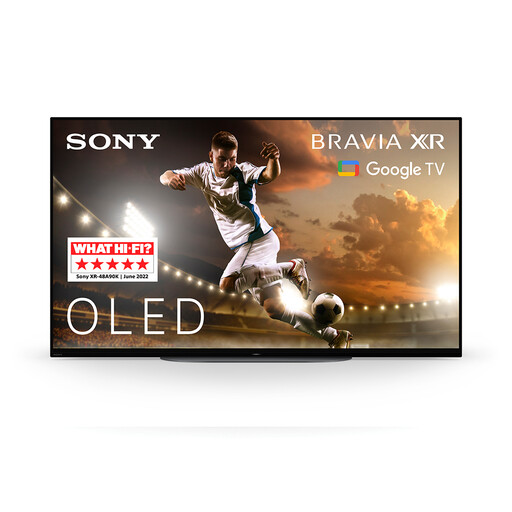
Consider this larger OLED option only if the 48-inch screen suits your seating distance and furniture. It is listed as a 4K HDR smart Google TV; check dimensions with the stand, reflections and the apps you need.
 No image available
This 43-inch model provides a non-OLED screen to compare if its size suits your TV location. Its name identifies 4K UHD and webOS; assess dark scenes, reflections and your streaming services on the exact model.
 No image available
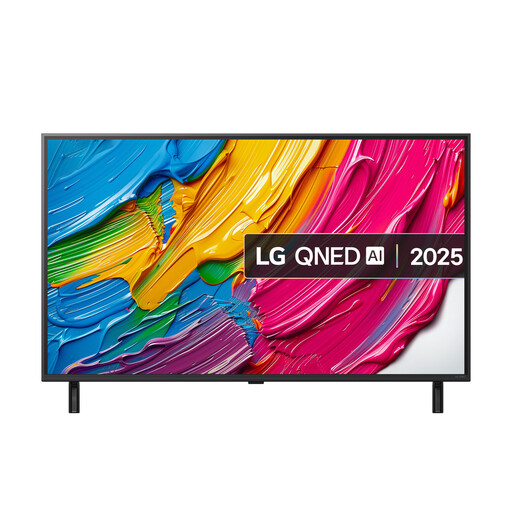
Consider this 43-inch option if room fit and viewing in changing light are priorities. The listed variant is a 4K Ultra HD smart TV; inspect reflections and dark content on this model, and check its stand footprint and required apps.
 No image available
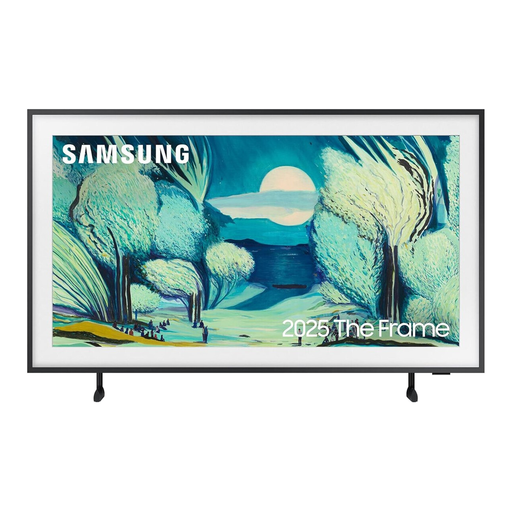
This Mini LED option is worth comparing for a brighter room only if a 50-inch screen fits comfortably. It is listed as a 4K HDR smart Google TV; assess reflections and dark scenes on the exact model, and confirm its refresh-rate specification if that matters to you.
Choose a size that fits both the furniture and your comfortable viewing position, not one based on diagonal measurement alone. Measure the available width, depth and seating distance; Sony UK gives at least 1.5 times the screen’s vertical height as a minimum 4K viewing-distance reference, while noting that comfort and room conditions also matter.
OLED is a useful route to compare if you mainly watch dark scenes in controlled light. LG and Sony describe individually controlled OLED pixels as producing deep blacks, but you should still assess shadow detail and reflections on the exact model and confirm that its size fits.
Compare Mini LED models when daylight, lamps or regular daytime viewing matter more than a dark-room-first setup. Samsung, Sony and LG describe lighting and brightness features in their Mini LED ranges, but check reflections, local-dimming behaviour and the view from your seats on the particular model.
No: availability depends on the programme and its broadcaster or on-demand provider, not simply on the TV. Ofcom identifies subtitles and audio description as access services; check the titles and settings in the services you plan to use.
You need a TV Licence if you watch live TV on any channel or streaming service, or use BBC iPlayer, according to TV Licensing. Check how you intend to watch rather than assuming that using a streaming app, or buying a TV, determines the requirement by itself.