What matters when choosing?
For travel programmes, decide how much light you can control before comparing OLED and Mini LED pictures. Then measure the seating position and check how the TV will connect to your sound system.
| Concern |
What to check |
Who this matters to |
| Contrast and colour in scenic footage |
Compare the exact panel technology and listed HDR formats. For a dark room, assess how the models show shadow detail rather than assuming a range-wide claim applies to every TV. |
When I watch night landscapes in a darkened room, I want to distinguish detail in the shadows. Around 42% of consumers put contrast and colour first. |
| Viewing with room light |
Assess reflections at the times you normally watch, and compare the exact OLED and Mini LED models under similar lighting where possible. |
If I cannot reliably darken the room, I need scenery to remain easy to see despite daylight or lamps. For around 33% of consumers, visibility with room light is the primary concern. |
| Screen fit and sound-system connection |
Measure seating distance and the TV’s full dimensions. If using separate audio equipment, confirm eARC on the relevant TV port and the receiving device. |
I need the screen to fit my seating plan and connect to my sound system without changing the intended setup. Around 25% of consumers place installation and audio integration first. |
TVs to compare on Joybuy
These 4K OLED and Mini LED TV choices span light-controlled and brighter-room viewing, with screen sizes to assess against your seating plan. Check each exact model’s reflection handling, connections and physical fit before deciding.
 No image available
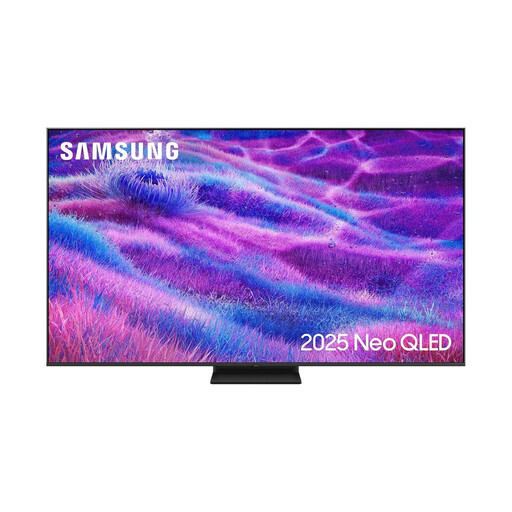
Samsung QE75QN80FAU 75-inch 4K Smart TV, Grey
Consider this large-screen option if room light is part of your viewing setup; compare how the exact TV handles reflections rather than relying on its display category alone.
The product name specifies a 75-inch 4K Ultra HD Smart TV with Wi-Fi. Measure the available space and seating position before choosing this size.
View on Joybuy
 No image available
Samsung S85F QE83S85FAE 83-inch 4K Smart TV, Black
This 83-inch model is a size to consider for a light-controlled home cinema, provided it fits both your seating position and installation space.
The product name specifies a 4K Ultra HD Smart TV with Wi-Fi. If daylight is persistent, compare this exact model’s picture and reflection handling with a Mini LED alternative; check its model-specific energy information too.
View on Joybuy
 No image available
Sony BRAVIA 8 K65XR80BP 65-inch 4K OLED TV
For a room you can darken, compare this OLED model’s picture with other TVs showing the scenic footage you normally watch.
The product name identifies HDR, Google TV, Dolby Vision and Dolby Atmos. If you use separate audio equipment or a wall mount, confirm the required connections, dimensions and mounting details for this exact model.
View on Joybuy
 No image available
TCL 75Q6C 75-inch 4K QD-Mini LED TV
Compare this large-screen Mini LED option if the home cinema also has daytime or mixed-light use, checking its picture under lighting similar to your room.
The product name specifies HDR and Google TV. Its listed 144Hz refresh rate is not, by itself, evidence of better travel-programme picture quality; confirm eARC and installation requirements if they matter to your setup.
View on Joybuy
 No image available
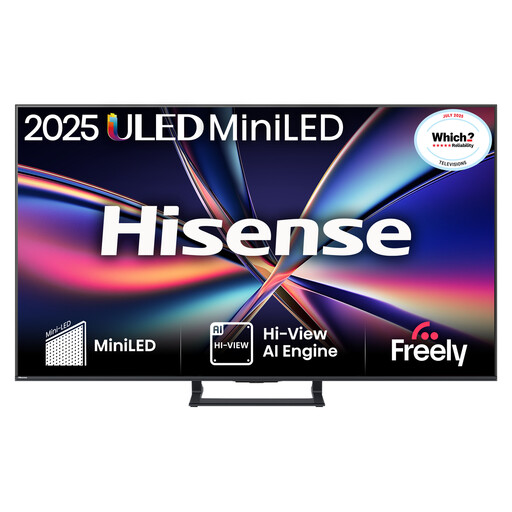
Hisense E8Q 55E8QTUK 55-inch 4K Mini LED TV
Consider this 55-inch Mini LED option if it suits your seating distance and you want to compare a smaller screen for a room with ambient light.
The product name specifies HDR, VIDAA OS and a built-in subwoofer. Check the exact TV’s eARC connection, mounting details and energy information if those affect your choice.
Purchase link unavailable
Frequently asked questions
How large should a 4K TV be for this home cinema?
Choose a size only after measuring your seating distance and the space for the TV. Sony UK advises a minimum distance of 1.5 times a 4K screen’s vertical height, giving approximately 1.2 m for 65 inches, 1.4 m for 75 inches and 1.6 m for 85 inches; these are starting points, not a promise of comfort in every room.
Do I need eARC to use a soundbar or AV receiver?
Not every soundbar setup needs eARC, but prioritise it if you want compatible equipment to receive supported high-bitrate audio from TV apps or connected sources through the HDMI audio-return connection. Check both devices, the designated TV port and the cable; HDMI Licensing Administrator notes that some older cable types may work without being certified for eARC.
Should I choose OLED or Mini LED for travel programmes?
Start with OLED models if you can darken the room and contrast in scenic footage matters most; compare Mini LED models if daylight or reflections remain a regular problem. Judge the particular TVs under similar viewing conditions rather than treating a manufacturer’s description of one range as a head-to-head test.
What UK energy information should I check for a TV?
Check the energy label against the exact model and screen size you intend to buy. UK guidance from the Department for Energy Security and Net Zero and the Office for Product Safety and Standards, dated 8 April 2026, says in-scope products must display an energy label at the point of sale, including online.
Do OLED TVs need care when showing static images?
Avoid leaving a static image on an OLED screen for a prolonged period: Sony UK’s OLED guidance says this can cause image retention. Follow the care instructions for your exact TV rather than assuming an older model’s maintenance procedure applies.


