
24/7 Customer Support

Free returns

Same-day & Next-day Delivery

Quality Guaranteed

Unlock Your Welcome Offers: FREE Delivery | Up to 80% OFF | Free 30-day JoyPlus trial
Download the APP
A bottle labelled olive oil can suit anything from roasting potatoes to finishing a salad, but not every product offers the same flavour, processing method or value. UK shoppers can easily pay extra for wording that does not match their intended use, or buy a large container that loses freshness before it is finished.
This guide explains the practical differences between extra virgin olive oil, everyday cooking oil and catering-size formats, followed by our top recommendations for different household needs.
Extra virgin olive oil is obtained directly from olives using mechanical means, but flavour profiles vary considerably. A robust Greek Kalamata olive oil may have grassy, peppery notes, while a mild oil can be easier to use in cakes, sauces or gentle sautéing.
A strongly flavoured oil is not automatically the right choice for every recipe. Match the character of the oil to the dish rather than choosing based only on front-of-pack language.
Cold-pressed olive oil describes a production method, not a guarantee that the oil will suit your palate or remain fresh indefinitely. Check the full ingredients list, product category, country or region details and best-before information.
Also be cautious with products described as blends. Olive pomace oil, for example, is different from extra virgin olive oil and is often selected for high-volume cooking rather than dipping or finishing.
An olive oil 1 litre or 5-litre container can be practical for a busy household, restaurant or caterer. However, repeated exposure to air, heat and light can affect flavour over time. If you cook occasionally, an olive oil 500ml bottle may reduce waste and help you enjoy the oil while its flavour is fresh.
Dark storage is important. Keep the bottle tightly closed in a cool cupboard, away from the hob, oven and direct sunlight. Cloudiness at lower temperatures can be natural and does not necessarily indicate a fault; follow the individual product’s storage guidance.
Always read the ingredients. A product labelled “olive oil” may not have the same composition as a bottle labelled “100% Extra Virgin Olive Oil”.
Choose a mild olive oil for frying or routine cooking when you do not want the oil to dominate the food. For cold use, select an oil with flavour notes that complement the dish:
A product’s origin can provide useful context, but it does not remove the need to read the label. Italian olive oil, Tunisian olive oil and Greek oil can all offer different regional styles.
A 250ml bottle is useful for occasional use, while olive oil 500ml is a manageable everyday size for many UK kitchens. A 1-litre bottle can offer better value for regular cooking, provided it will be used within a reasonable period.
For restaurants and catering businesses, bulk olive oil can reduce packaging and replenishment requirements. Transfer large containers carefully if needed, and avoid leaving oil in an open pouring vessel near heat.

Why This Fits Their Persona: A practical 500ml size for students, new households and cooks who want one mild oil for regular kitchen tasks.
Its product information identifies a milder flavour than extra virgin olive oil, making the intended everyday-cooking use clear.
Suitable for frying, roasting, sauces, marinades and seasoning; 500ml format is easy to store.
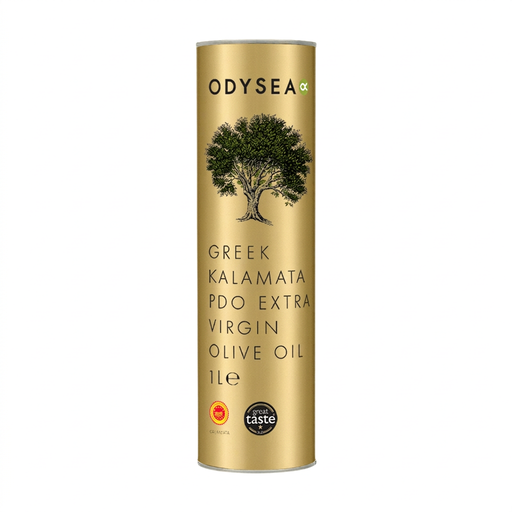
Why This Fits Their Persona: Designed for Mediterranean food enthusiasts who value a defined regional style for serving and finishing dishes.
The listing specifies PDO Kalamata origin, Koroneiki olives and 100% extra virgin olive oil, rather than relying only on vague premium wording.
Robust, herbaceous flavour with a peppery finish; suitable for dipping, salad dressing, grilled fish and vegetables.
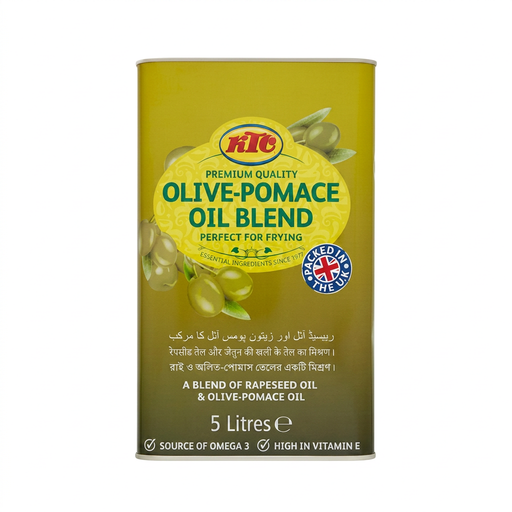
Why This Fits Their Persona: A catering-size option for restaurants, takeaway kitchens and households that use large quantities for frying and baking.
The ingredients clearly state 52% olive pomace oil, 48% rapeseed oil and E900, so buyers can distinguish it from extra virgin olive oil.
5-litre volume; formulated for frying, baking and routine high-volume cooking; suitable for vegetarian and vegan diets.

Why This Fits Their Persona: A straightforward 1-litre choice for households that use extra virgin olive oil across dressings, marinades, vegetables and finishing.
The listing identifies extra virgin olive oil obtained directly from olives by mechanical means and provides storage guidance.
100% olive oil ingredient; 1-litre format; listed for dipping, drizzling, marinades and vegetables.
We have compiled a complete, real-time list of products that fully satisfy these strict selection criteria and UK safety regulations.
Extra virgin olive oil can be used in some cooking applications, but the flavour and product guidance should come first. For high-volume or very high-heat cooking, check the manufacturer’s instructions and consider a product specifically listed for frying. Avoid allowing any oil to smoke heavily.
There is no single lifespan for every bottle. Use the best-before information on the packaging, keep the cap tightly closed and store the oil away from heat and light. Smaller bottles may be more economical for occasional users because they are less likely to remain open for a long period.
Extra virgin olive oil is usually selected for salad dressing because its flavour is more noticeable. A mild Italian olive oil or another lightly flavoured variety may suit delicate leaves and simple vinaigrettes. Read the label and choose according to the flavour you want, rather than assuming a higher-sounding description will improve every recipe.