
24/7 Customer Support

Free returns

Same-day & Next-day Delivery

Quality Guaranteed

Unlock Your Welcome Offers: FREE Delivery | Up to 80% OFF | Free 30-day JoyPlus trial
Download the APP
Choosing olive oil in the UK is not simply a matter of picking the largest bottle or the most attractive label. The terms extra virgin olive oil, “cold-pressed”, “Italian” and “light” describe different qualities, origins or uses. Selecting the wrong type can leave you with an oil that is too strongly flavoured for delicate dishes, inconvenient to pour or poor value for occasional use.
This guide explains the practical details to check before buying olive oil, from product category and bottle size to storage, cooking suitability and format.
Mild and light olive oil usually refers to lighter flavour and colour, not a substantially lower calorie content. Filippo Berio Mild & Light Oil, for example, contains refined olive oil and virgin olive oil. Its subtle aroma is designed for frying, sautéing and baking, but it is still an oil with a high energy content typical of cooking oils.
If you want to control how much oil reaches the pan, a spray or precision squeeze bottle may be more useful than choosing a product labelled “light”.
Extra virgin olive oil is a defined category obtained directly from olives using mechanical methods. However, flavour varies according to olive variety, growing region, harvest conditions and blending.
A mild Tunisian oil may suit everyday cooking without overpowering ingredients, while a Greek Kalamata PDO oil can have grassy, herbaceous and peppery notes that are more noticeable in salads, dipping and finishing. Read the flavour description rather than relying on the category name alone.
A 1 litre, 2 litre or 5 litre container can offer convenience for families, restaurants and caterers, but olive oil gradually loses freshness after opening when exposed to air, light and heat. A large bottle is only practical if you use it regularly and can store it in a cool, dark cupboard.
For occasional cooks, 500ml olive oil or 250ml may protect flavour and reduce the risk of keeping an opened bottle for too long.
The phrase cold-pressed olive oil is commonly used to indicate extraction without significant heat. Nevertheless, the full product description and ingredients should remain your reference, especially where origin and flavour matter.
Italian olive oil may be blended or sourced from a particular region, so check whether the label states a specific country, region or blend. Products such as Tuscan or Puglian oils can offer distinctive flavour descriptions.
Greek olive oil with PDO status identifies a protected geographical origin and production conditions. Odysea PDO Kalamata Extra Virgin Olive Oil is made from Koroneiki olives grown and pressed in the Kalamata region. Its listed profile includes medium fruitiness, herbaceous flavour and a peppery finish, making it more suitable for olive oil for salads, dipping and drizzling than for neutral baking.
Choose the format according to how you cook:
Store olive oil at room temperature, away from direct sunlight and heat. Cloudiness below approximately 7–10°C can occur naturally and does not necessarily indicate spoilage. Do not refrigerate unless the packaging specifically instructs you to do so.
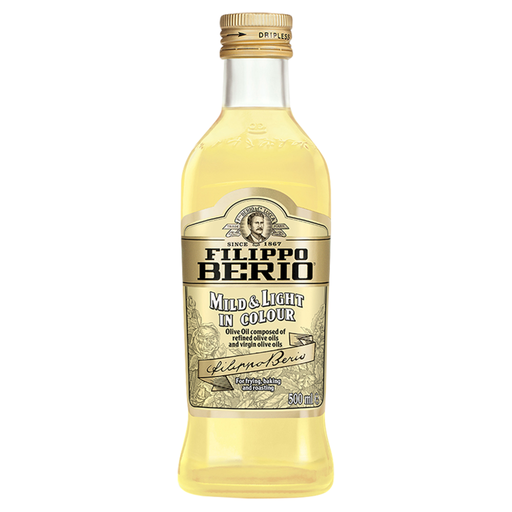
Why This Fits Their Persona: A practical 500ml option for new cooks who need one adaptable bottle for frying, sautéing and baking without a pronounced olive flavour.
Its “mild and light” description is supported by a clearly stated refined and virgin olive oil blend, rather than implying reduced calories.
Subtle aroma; suitable for frying, sautéing and baking; manageable household size.
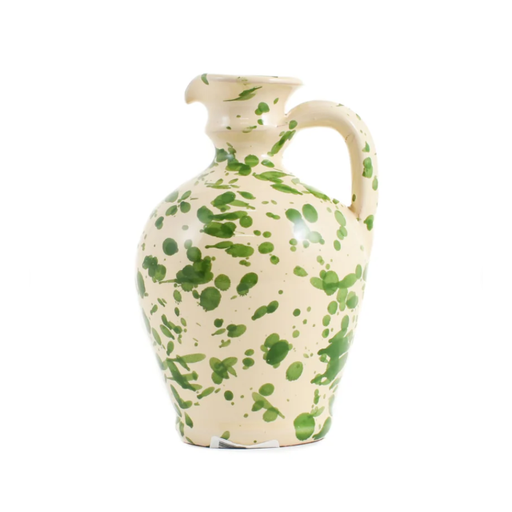
Why This Fits Their Persona: Suits shoppers seeking a distinctive Italian olive oil for serving with bread, salads, tomatoes, burrata and finished dishes.
The product description identifies Puglia, the flavour profile and the cold-pressing method, giving useful detail beyond decorative packaging.
Medium-fruity profile with herbaceous and peppery notes; handmade ceramic bottle suitable for table presentation.
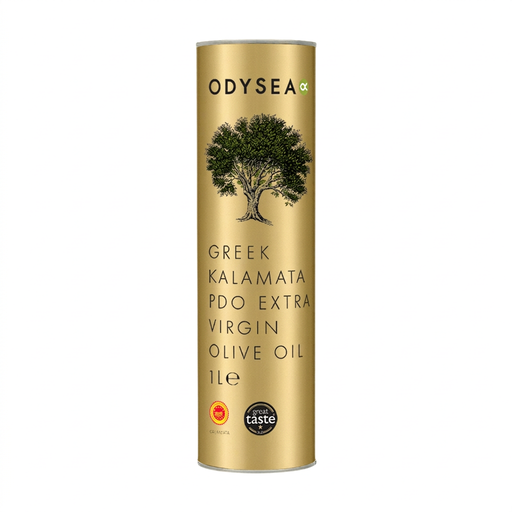
Why This Fits Their Persona: A 1 litre format for frequent Mediterranean cooking, family meals and foodservice-style use where a fuller finishing flavour is wanted.
The PDO designation and stated Koroneiki olive origin provide more specific information than a broad “Greek-style” description.
1 litre quantity; cold extraction; listed uses include dipping, dressings, sauces, pasta and vegetables.
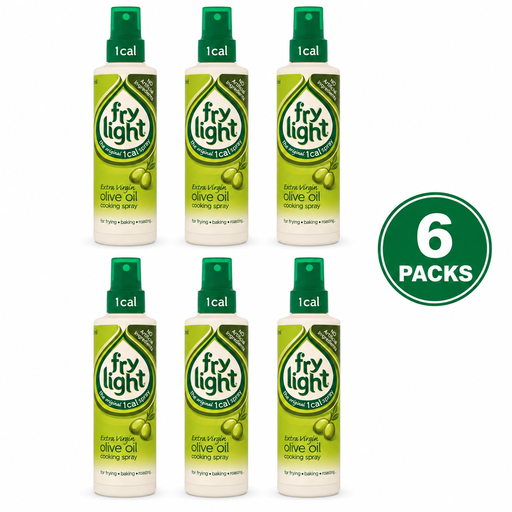
Why This Fits Their Persona: Useful for coating trays, pans, grills and air-fryer ingredients when an even mist and repeatable application are more convenient than pouring.
The ingredients list shows that it is a spray formulation containing extra virgin olive oil, water, alcohol, emulsifier and thickener, rather than plain oil in a different bottle.
Fine mist format; six 190ml bottles; suitable for frying, roasting, grilling and baking when used as directed.
We have compiled a complete, real-time list of products that fully satisfy these strict selection criteria and UK safety regulations.
Extra virgin olive oil can be used in hot cooking, but suitability depends on the recipe, heat level and product guidance. For high-temperature or neutral-flavour cooking, a mild olive oil, olive pomace oil blend or another cooking oil may be more practical. Avoid heating any oil until it smokes.
Keep the bottle tightly closed in a cool, dark cupboard away from the hob, oven and direct sunlight. Avoid leaving oil beside a hot cooker. A smaller bottle may be more suitable if you use olive oil slowly.
It depends on your cooking habits. An olive oil spray can help distribute a fine coating across a pan or tray, while an olive oil squeeze bottle provides control for salads, dipping and finishing. Compare the quantity, ingredients and intended use rather than assuming either format automatically costs less.