
24/7 Customer Support

Free returns

Same-day & Next-day Delivery

Quality Guaranteed

Unlock Your Welcome Offers: FREE Delivery | Up to 80% OFF | Free 30-day JoyPlus trial
Download the APP
Choosing olive oil in the UK is not simply a matter of picking the largest bottle or the most attractive label. Extra virgin olive oil, refined olive oil, olive pomace oil and cooking sprays have different flavour profiles, ingredients and practical uses.
The right choice depends on how you cook, how quickly you use oil and whether you want a mild everyday option or a more distinctive finishing oil. This guide explains the key differences and highlights suitable options for UK households, food enthusiasts and professional kitchens.
Extra virgin olive oil is a defined category: it is obtained directly from olives using mechanical or physical methods. However, flavour can vary considerably according to olive variety, origin, harvest conditions and blending.
A mild oil may suit people who prefer a subtle taste, while a robust Greek Kalamata olive oil can bring grassy, peppery or herbaceous notes to bread, salads and grilled food. Consider the dish before buying rather than relying on the category name alone.
Bulk olive oil can offer practical value for restaurants, caterers and large households, but a 5-litre container may not suit someone who only uses oil occasionally. Once opened, repeated exposure to air, heat and light can affect flavour over time.
Buy a size that you are likely to use within a reasonable period. Smaller 250ml or 500ml bottles can be more suitable for finishing oils, while 1-litre and 2-litre formats may work well for regular cooking.
Cold-pressed olive oil describes an extraction method, not a guarantee that the flavour will suit every recipe. Similarly, mild and light olive oils generally have a gentler taste, but “light” does not mean low-calorie. Olive oil remains a fat-rich food, so check the nutrition panel and use the quantity appropriate for your recipe.
Cooking sprays also require care. Some contain only olive oil, while others include water, alcohol, emulsifiers or flavouring. Read the ingredient list if you want a particular formulation.
Choose extra virgin olive oil for:
For frying, roasting and everyday sauces, a standard cooking olive oil or mild and light olive oil may be more practical if you prefer a neutral taste. Products made from refined olive oil blended with virgin or extra virgin olive oil are labelled differently from extra virgin oil and should not be treated as interchangeable.
The label may indicate a single country, a blend of European oils or a protected regional designation. Italian olive oil can have a range of profiles, from delicate and fruity to grassy and peppery. A Greek Kalamata olive oil with PDO status identifies a protected regional product, while the name Kalamata refers to the production area rather than necessarily identifying the olive variety.
If you want a strong flavour, look for descriptions such as robust, herbaceous or peppery. For delicate food, a smooth or mild profile may be less likely to overpower the ingredients.
Dark glass, tins and opaque packaging can help limit exposure to light. Convenient plastic bottles may be easier to handle and lighter for everyday use. Squeeze bottles and sprays can also help with portion control and reduce mess, while pressurised cans must be stored and used away from flames and hot surfaces.
Store olive oil in a cool, dark cupboard, tightly sealed and away from the hob. Cloudiness below the temperature stated on the label can be normal and does not necessarily indicate spoilage. Do not refrigerate olive oil unless the packaging specifically instructs you to do so.
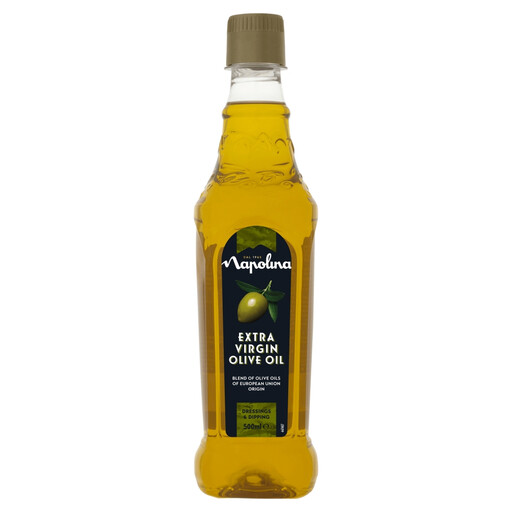
Why This Fits Their Persona: A manageable 500ml format for households starting to use extra virgin olive oil for salads, marinades, dipping and light sautéing.
The clearly stated 500ml quantity avoids overbuying, while the ingredients list identifies extra virgin olive oil only.
Suitable for raw uses and gentle heating; recycled plastic packaging is specified in the product information.
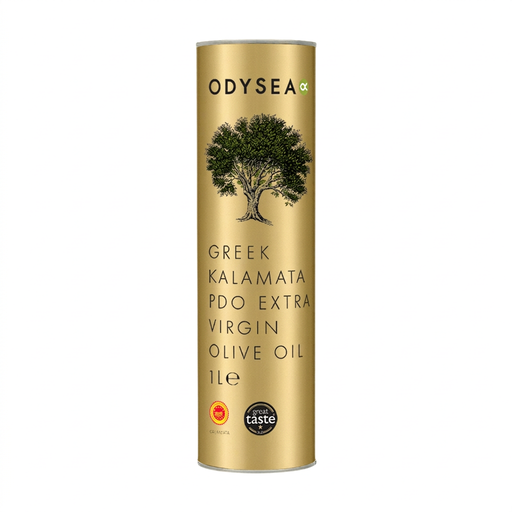
Why This Fits Their Persona: Designed for shoppers seeking a region-specific oil with a noticeable flavour for dipping, salads, grilled fish and finishing.
The PDO designation and stated Koroneiki olive origin provide more specific provenance than a generic regional reference.
One-litre size; cold extraction and a described herbaceous, peppery profile.
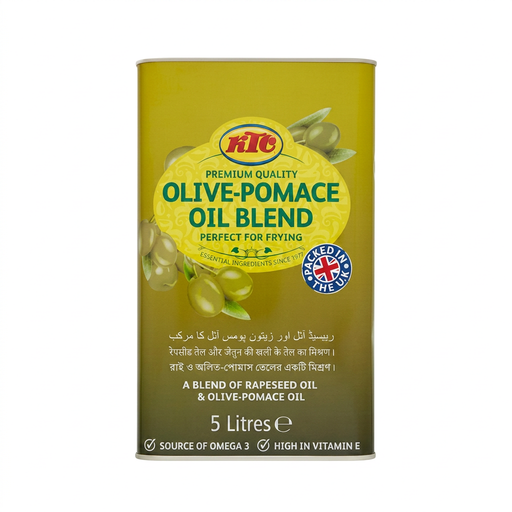
Why This Fits Their Persona: A catering-friendly format for frequent frying, baking and other high-volume kitchen tasks where a neutral cooking oil is practical.
The blend is clearly identified as 52% olive pomace oil and 48% rapeseed oil, so it is not confused with extra virgin olive oil.
Five-litre volume; includes an anti-foaming agent and is listed as suitable for vegetarian and vegan diets.
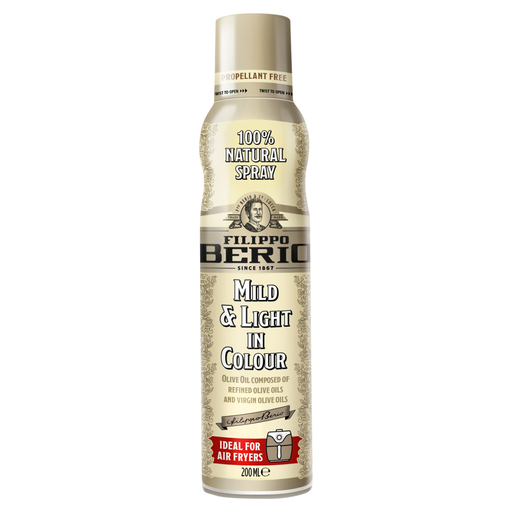
Why This Fits Their Persona: A compact spray for air frying, grilling, baking, roasting and pan frying, particularly useful in smaller UK kitchens or for outdoor cooking.
The product is labelled as refined olive oil blended with virgin olive oil, rather than being presented as extra virgin olive oil.
Fine mist format; mild flavour and non-glass packaging for easier handling.
We have compiled a complete, real-time list of products that fully satisfy these strict selection criteria and UK safety regulations.
Extra virgin olive oil can be used in many everyday recipes, including gentle sautéing, roasting and sauces. For high-temperature cooking, follow the product’s instructions and avoid overheating or allowing the oil to smoke. A mild or refined olive oil may be preferable when you want less flavour in the finished dish.
Keep it tightly sealed in a cool, dark cupboard away from direct sunlight, radiators and the hob. Avoid leaving the bottle beside a hot cooker. Cloudiness in a cool room can be normal; allow the oil to return gradually to room temperature rather than refrigerating it.
Bulk olive oil can be practical for restaurants, catering businesses and households that cook frequently. Compare the price per litre, packaging and expected usage. If a large container will remain open for a long time, a smaller bottle may help preserve flavour and reduce waste.