
24/7 Customer Support

Free returns

Same-day & Next-day Delivery

Quality Guaranteed

Unlock Your Welcome Offers: FREE Delivery | Up to 80% OFF | Free 30-day JoyPlus trial
Download the APP
Navigating the olive oil aisle can feel overwhelming. With labels boasting terms like "cold-pressed," "single-origin" and "extra virgin," it's easy to end up with a pricey bottle that isn't right for your cooking. As a Product Recommendation Officer at Joybuy, my role is to help you understand the practical differences so you can choose a bottle that suits your kitchen and your budget.
Many of us have fallen into common traps. Let's look at a few pitfalls to avoid:
Understanding a few core parameters can help you select the right olive oil with confidence, ensuring you get the best performance for your pounds.
Before you add a bottle to your basket, take a moment to check these three details. They are far more important than the fancy label design.
This is the most crucial distinction. The grade tells you how the oil was processed and what it's best used for.
The smoke point is the temperature at which an oil begins to burn and smoke. When an oil burns, its flavour is ruined and it can release harmful compounds. As mentioned, standard olive oil has a higher smoke point than most extra virgin oils, making it a safer and more effective choice for high-temperature cooking methods like pan-frying or roasting potatoes. Always match the oil to your cooking temperature.
For those seeking specific flavour profiles, like a robust Greek olive oil or a classic Italian olive oil, the origin is key. Look for certifications like PDO (Protected Designation of Origin). A PDO label is a legal guarantee that the oil was produced, processed and prepared in a specific geographical region using traditional methods. This ensures you're getting an authentic product, like oil from Kalamata in Greece, rather than just an oil that was bottled there. You may also find high-quality organic olive oil options, which are certified to have been grown without the use of synthetic pesticides or fertilisers.
To make things simpler, we've matched some excellent options to different household needs and cooking styles.
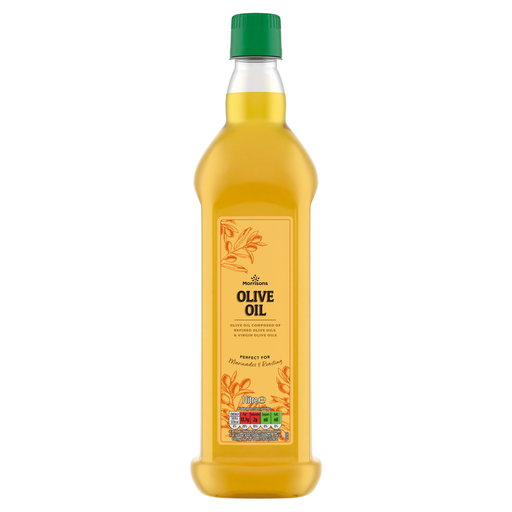
Why This Fits Their Persona: This is a practical, no-fuss choice for UK families who need a reliable oil for daily meals. It's designed for roasting, frying and marinades, covering all the bases for a busy kitchen without the premium price tag of a finishing oil.
It is clearly labelled as a blend of refined and virgin olive oils, so you know it's intended for general cooking, not for delicate finishing. You won't waste its properties on high heat.
Versatility: Its balanced, mild flavour and higher smoke point make it a true kitchen workhorse. Value: The 1-litre bottle offers great economy for frequent use.
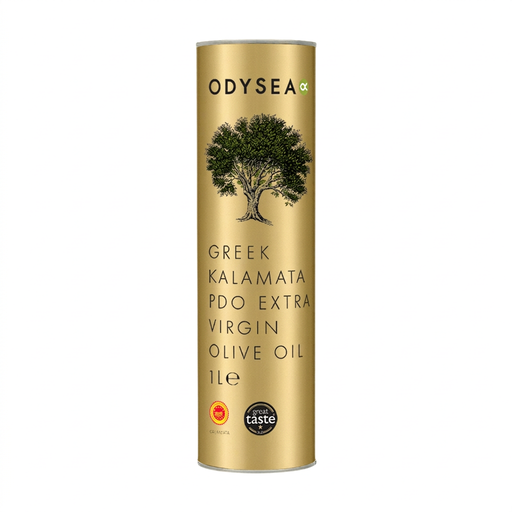
Why This Fits Their Persona: For the home cook who appreciates authentic flavour and quality ingredients. This oil is perfect for creating a vibrant salad dressing, drizzling over grilled fish or dipping with fresh bread, where its distinct character can shine.
The PDO status guarantees its origin in the Kalamata region of Greece, avoiding the "misleading origin" trap. You are paying for and getting, a genuine regional product.
Guaranteed Authenticity: The PDO certification ensures the oil's quality and origin. Robust Flavour: It offers a full-bodied, herbaceous flavour with a peppery finish that elevates simple dishes.
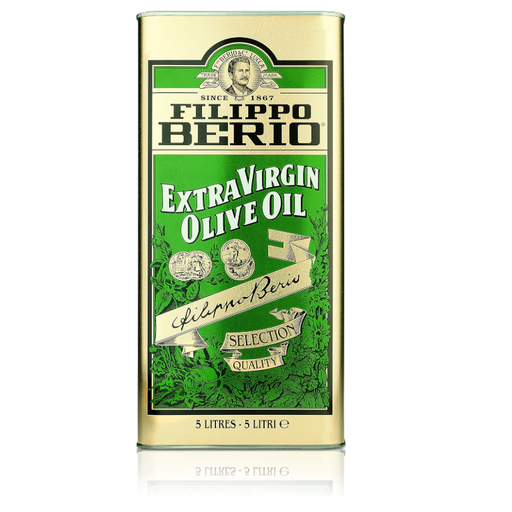
Why This Fits Their Persona: Ideal for large families, meal-preppers or professional kitchens that get through a lot of oil. This large 5-litre tin provides a quality EVOO from a trusted brand at an excellent cost-per-litre.
This choice sidesteps the "bulk-buy regret" because it's intended for users who will genuinely consume it quickly, making the large volume a smart, economical purchase rather than a potential waste.
Cost-Effective: Significantly lowers the price per 100ml for a quality EVOO. Dependable Quality: Comes from a long-standing brand known for its consistent, well-balanced flavour.
We have compiled a complete, real-time list of products that fully satisfy these strict selection criteria and UK safety regulations.
The three enemies of olive oil are heat, light and air. Always store your oil in a cool, dark place like a cupboard, away from the oven or a sunny windowsill. Keep the cap screwed on tightly to minimise exposure to air. While some oils may cloud or solidify in the cold, refrigeration is generally not necessary or recommended as it can affect the texture. The cloudiness is harmless and will disappear at room temperature.
While you can use EVOO for very light, low-temperature sautéing, it is not the ideal choice for high-heat frying. Its lower smoke point means it can burn easily, which negatively affects the taste and can break down the oil's structure. For frying, a standard olive oil or another oil with a high smoke point is a more suitable and economical option.
PDO stands for Protected Designation of Origin. It is a geographical indication and quality scheme in Europe that protects the names of regional foods. For an olive oil to have a PDO label, it must be produced, processed and prepared entirely within a specific geographical area using recognised know-how. It's a mark of authenticity and quality, assuring you that your Greek olive oil truly comes from Kalamata or your Italian olive oil from a specific region in Tuscany.