
24/7 Customer Support

Free returns

Same-day & Next-day Delivery

Quality Guaranteed

Unlock Your Welcome Offers: FREE Delivery | Up to 80% OFF | Free 30-day JoyPlus trial
Download the APP
Shopping for olive products can appear straightforward until you compare labels, formats and intended uses. A bottle labelled “extra virgin”, a jar of pitted olives or a capsule containing olive leaf extract may all look similar online, yet the details can affect flavour, convenience, storage and value.
For UK shoppers, the main risks are paying for marketing language rather than useful specifications, choosing an unsuitable format, or overlooking allergens and storage instructions. This guide explains what to check before buying, followed by recommendations matched to different shopping needs.
“Olive oil” and extra virgin olive oil are not interchangeable descriptions. Extra virgin olive oil is obtained directly from olives by mechanical means, while product quality, flavour and origin can vary between bottles. A delicate oil may suit dressings, dipping and finishing, whereas a more neutral option may be more practical for everyday cooking.
A spray format can also be convenient, but it does not make the oil calorie-free. Filippo Berio Extra Virgin Olive Oil Spray contains olive oil only and provides portion control through its packaging, not through a change in the oil’s nutritional composition.
Pitted olives are processed for convenience, but mechanical pitting cannot guarantee the removal of every stone or fragment. This warning appears on products such as KARYATIS Spanish Green Pitted Olives and Crespo Green Olives Pimiento.
Check the label before serving olives to young children, and inspect each olive carefully if the product will be used in salads, lunchboxes or appetisers.
Olive leaf extract is sold as a food supplement rather than a replacement for a balanced diet or prescribed treatment. Compare the extract amount, standardisation and capsule ingredients instead of relying on words such as “immune” or “wellness” on the front of the pack.
For example, the NOW Foods product provides 500mg of olive leaf extract per capsule, standardised to a minimum of 6% oleuropein, while the Swanson product lists 500mg standardised to a minimum of 20% oleuropein. These are label specifications, not a guarantee of a particular health outcome.
For extra virgin olive oil, look for a short ingredient list such as 100% extra virgin olive oil. Odysea PDO Kalamata Extra Virgin Olive Oil lists Koroneiki olives and identifies its protected designation of origin. Terra Delyssa Extra Virgin Olive Oil is made from 100% Tunisian olives, while Filippo Berio products provide Italian-origin information on the packaging.
For olive snacks, review the brine ingredients and acidity regulators. Kalamata olives may be preserved with water, salt, vinegar or grape juice, while green olives can include citric, lactic or ascorbic acid. If you have allergies, check every label, particularly for products that may contain nuts, sesame, milk or soya.
Choose the pack size around your consumption habits:
Olive oil should generally be kept tightly sealed in a cool, dark place. Cloudiness below approximately 7°C can occur with some oils and does not necessarily indicate spoilage. Avoid refrigerating products unless the packaging instructs you to do so.
Brined olives should be refrigerated after opening, kept submerged and generally consumed within two weeks according to the supplied product guidance. For snacks, check allergens and salt per 100g. For supplements, follow the stated dosage, read warnings and consult a healthcare professional if pregnant, breastfeeding, taking medication or managing a medical condition.
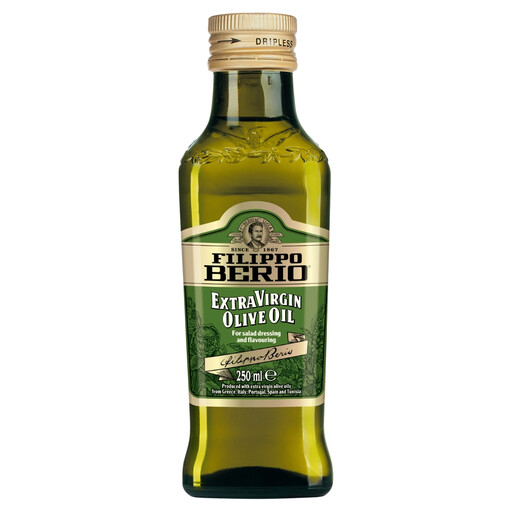
Why This Fits Their Persona: A smaller bottle suits first-time buyers, flat shares and households that use olive oil mainly for dressings, dipping or finishing meals.
The 250ml format reduces the risk of buying a large bottle before deciding whether its flavour suits your cooking.
Extra virgin olive oil; suitable for dipping, drizzling, marinades and seasoning.
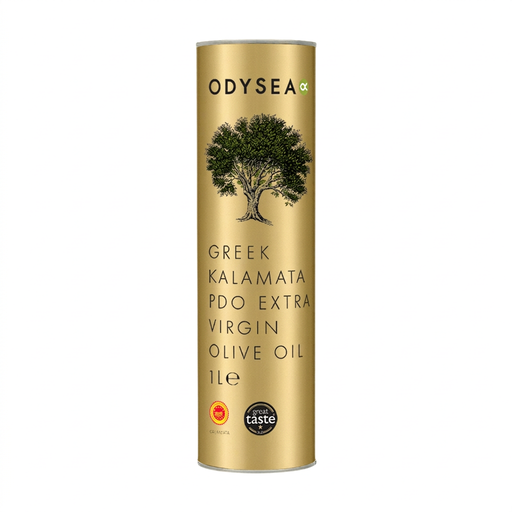
Why This Fits Their Persona: A one-litre bottle and documented Kalamata PDO origin suit regular cooks who enjoy robust Mediterranean flavours for salads, grilled foods and dipping.
The product description clarifies that Kalamata refers to the protected region and that Koroneiki olives are used, avoiding a common origin and variety misunderstanding.
One-litre size; extra virgin olive oil obtained solely by mechanical means; vegetarian and vegan.

Why This Fits Their Persona: Useful for air fryers, pans, roasting trays, marinades and outdoor cooking where an even application is convenient.
The spray format provides controlled application without suggesting that the oil has fewer calories than standard olive oil.
200ml lightweight container; ingredient listed as extra virgin olive oil; suitable for salads, dipping and gentle cooking.
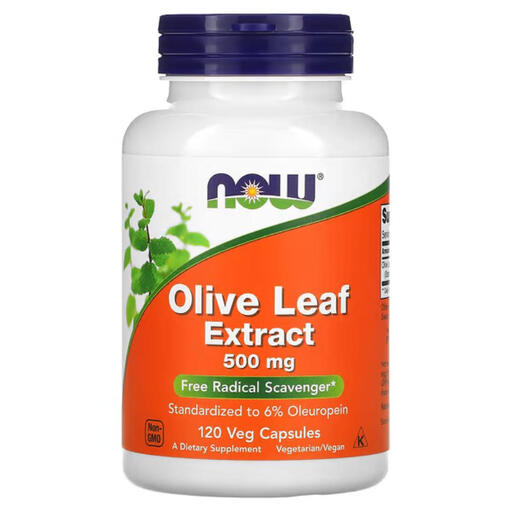
Why This Fits Their Persona: Suitable for adults seeking a clearly labelled olive leaf supplement with a vegan capsule format and a larger 120-capsule supply.
The label states the extract quantity, minimum oleuropein standardisation and capsule ingredients, allowing comparison beyond front-of-pack wording.
500mg per capsule; standardised to a minimum of 6% oleuropein; vegetarian, vegan and Kosher certified according to the supplied description.
We have compiled a complete, real-time list of products that fully satisfy these strict selection criteria and UK safety regulations.
Extra virgin olive oil can be used for dressings, drizzling, dipping and many cooking applications. Select the size and flavour profile according to how often you cook. Store it away from heat and light, and keep the cap tightly closed.
Many jarred olive products advise refrigeration after opening, keeping the olives submerged in brine and consuming them within two weeks. Always follow the specific instructions on the jar, as recipes and packaging guidance can differ.
Check the extract amount per capsule, standardised oleuropein percentage, capsule material, dosage and warnings. Do not treat olive leaf extract as a medicine, and seek professional advice before use if you are pregnant, breastfeeding, taking medication or managing a health condition.