
24/7 Customer Support

Free returns

Same-day & Next-day Delivery

Quality Guaranteed

Unlock Your Welcome Offers: FREE Delivery | Up to 80% OFF | Free 30-day JoyPlus trial
Download the APP
From the kitchen pantry to the bathroom shelf, the humble olive has cemented its place in UK households. Its association with the sun-drenched Mediterranean lifestyle brings a sense of natural quality and rustic charm. However, as the market for olive products grows, so does the marketing noise. It's easy to be misled by clever labelling and end up with a product that doesn't deliver on its promise.
As a Product Recommendation Officer at Joybuy, my role is to help you navigate these choices. Before you buy, let's look at some common pitfalls that can lead to disappointment and wasted money.
artificial olive tree can be a stunning piece of Mediterranean decor, but many fall short of the mark. The biggest pitfall is ending up with a plant that looks overtly plastic, with uniform, shiny leaves and a fake-looking trunk. This can cheapen your interior design rather than elevate it.To ensure you're getting genuine value, focus on a few core parameters. Understanding these will empower you to see past the hype and choose products that truly meet your standards.
When selecting an extra virgin olive oil, the key phrase to look for is "cold-extracted" or "obtained solely by mechanical means". This UK and EU standard ensures the oil was extracted from the olives without using excessive heat or chemical solvents. This process is crucial for preserving the oil's delicate, fruity flavour profile and its natural polyphenol content. Oils that don't specify this may have been refined, which can strip away both taste and beneficial compounds.
In personal care products like olive oil soap or olive body lotion, the order of ingredients on the label (often called the INCI list) is everything. Ingredients are listed in descending order of concentration. For a product to offer genuine olive-based moisturisation, Olea Europaea (Olive) Fruit Oil should appear high up on the list, ideally within the first five to seven ingredients. If it's listed after fragrances or preservatives near the end, its concentration is likely very low.
When choosing an artificial olive tree, scrutinise the product description for details on its construction. Look for mentions of a natural wood trunk and lifelike fruit and leaf textures. High-quality faux plants often use a combination of materials to mimic the subtle variations of a real tree, avoiding the flat, uniform appearance of cheaper alternatives. The goal is a piece that could be mistaken for the real thing at a casual glance.
Based on these practical criteria, here are some olive products matched to different household needs and preferences.
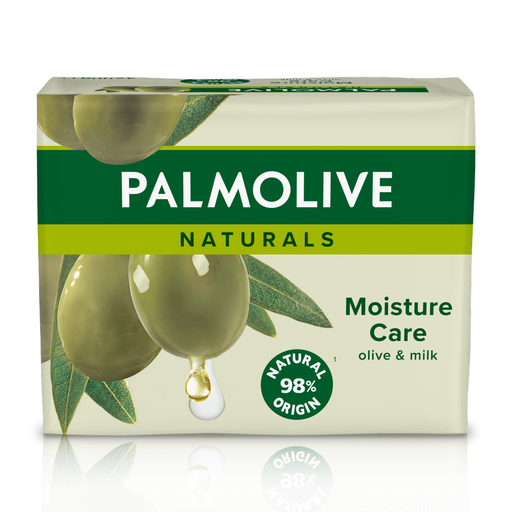
Why This Fits Their Persona: This multi-pack is a practical and economical choice for busy UK families. Its versatile formula is suitable for everyone's daily cleansing routine, covering hands, face and body, simplifying the bathroom cabinet.
It sidesteps the 'ingredient sprinkling' trap by being transparent about its formulation. The product highlights its 98% natural origin ingredients and lists Olea Europaea Fruit Oil clearly, showing it's a meaningful part of the soap's moisturising properties.
The 98% biodegradable formula and recyclable paper wrapper make it a more environmentally conscious choice for daily use. The multi-pack format offers excellent value.

Why This Fits Their Persona: For those wanting to create a warm, nature-inspired aesthetic without the upkeep of a real plant, this is an ideal solution. It brings a touch of the Mediterranean to a living room, hallway or home office in any UK home, regardless of natural light.
This tree is designed to avoid the 'cheap and plastic' pitfall by incorporating a natural wood trunk and lifelike fruit details. These features provide a more authentic and sophisticated appearance than typical all-plastic alternatives.
It requires zero maintenance—no watering, pruning or sunlight needed. It offers a lasting evergreen look year-round and comes with a simple planter for immediate setup.
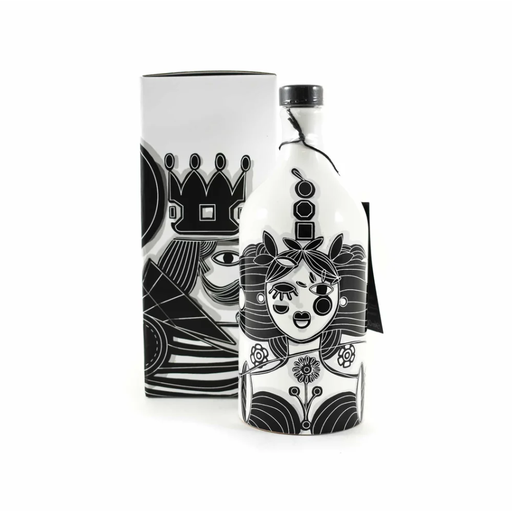
Why This Fits Their Persona: This is for the home cook who views ingredients as an experience. This gourmet olive oil is not just for cooking; it's a finishing touch for salads, pasta and bread. The unique terracotta bottle makes it a statement piece on the kitchen counter.
It directly counters the misleading label pitfall by being a premium, single-origin product. The opaque, handcrafted terracotta bottle also protects the oil from light, preserving its quality and flavour far better than a standard clear glass bottle.
This is a superior category extra virgin olive oil with a medium, fruity flavour profile. The limited edition bottle is both a collector's item and a functional vessel that protects the oil's integrity.
We have compiled a complete, real-time list of products that fully satisfy these strict selection criteria and UK safety regulations.
Beyond looking for "cold-extracted" on the label, check for a harvest or bottling date; fresher is generally better. Good quality oil should have a distinctively fruity, and sometimes peppery, aroma and taste. A high-quality oil will also be packaged in a dark glass or opaque container (like tin or ceramic) to protect it from light, which can degrade the oil over time.
Olive oil soap can be very beneficial for dry skin. Olive oil is rich in fatty acids and antioxidants, which help to moisturise and protect the skin's natural barrier. When choosing a soap, look for one where Olea Europaea (Olive) Fruit Oil is a primary ingredient to ensure you are getting a product with a high enough concentration to be effective.
To make an artificial olive tree look its best, start by placing it in a more decorative pot or basket that complements your room's decor. You can cover the base with moss or decorative stones for a more realistic finish. Position it in a corner that needs a touch of height and greenery, or next to a piece of furniture like an armchair or console table to create a cohesive, styled look.