
24/7 Customer Support

Free returns

Same-day & Next-day Delivery

Quality Guaranteed

Unlock Your Welcome Offers: FREE Delivery | Up to 80% OFF | Free 30-day JoyPlus trial
Download the APP
Choosing omega-3 DHA supplements can seem straightforward until you compare serving sizes, oil sources, age guidance and added nutrients. A large number on the front of a bottle may refer to total fish oil rather than DHA, while a children’s gummy may contain added sugar or be unsuitable for younger children.
This guide explains what to check before buying DHA supplements for adults, pregnancy, children and plant-based diets. It also highlights selected products available through Joybuy, based on their listed ingredients, formats and usage instructions.
“Fish oil 1,000 mg” does not necessarily mean 1,000 mg of DHA. The label should separate:
For shoppers looking specifically for DHA for brain health or prenatal DHA, the DHA figure is more relevant than the total oil weight. A smaller capsule with a clearly stated DHA amount may be more suitable than a larger capsule with limited active omega-3 content.
Marketing language does not replace practical details. Check whether the product contains fish, bovine gelatin, soya, milk, gluten or other ingredients relevant to your diet and allergies. Also confirm whether it is intended for adults, children, pregnancy or breastfeeding.
A product containing vitamin D may be useful for someone seeking omega-3 with vitamin D, but it should be compared with other supplements already being taken to avoid unnecessary duplication.
Softgels may be unsuitable for children or anyone who struggles to swallow capsules. Gummies and chewables can be easier to use, but buyers should check sugar, sweeteners, choking warnings and the minimum age.
Liquid DHA can offer flexible serving sizes, but the dropper must be measured accurately and the product may need refrigeration after opening. These details affect cost, convenience and how consistently the supplement is used.
Look beyond the front-of-pack total. For example, the listed adult products vary considerably:
These are not interchangeable formulas. A DHA-focused supplement may suit someone prioritising DHA intake, while a combined EPA and DHA product may be preferred for broader omega-3 supplementation.
Fish oil capsules commonly use oils from anchovies, sardines, tuna or other marine fish. Look for the named source and check allergen information. Fish-derived products are not suitable for vegans and may not fit vegetarian diets.
Algae DHA is derived from marine microalgae and can provide a plant-based alternative. It is worth checking whether the capsule shell is also vegan, as some softgels use gelatin even when the oil itself is plant-derived.
For pregnancy, read the complete ingredient list carefully. Some prenatal products combine DHA with folate, iron, iodine, vitamin D and other nutrients, while others provide DHA alone.
Never assume an adult serving is suitable for a child. The listed children’s products have different age guidance:
Follow the product label rather than combining several omega-3 supplements. Take capsules or softgels with food when the instructions recommend it, and store liquids according to the label.
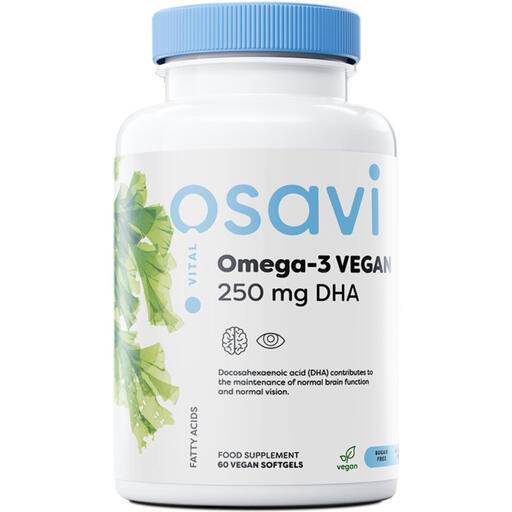
Why This Fits Their Persona: A straightforward daily option for UK adults starting with vegan DHA without paying for a multi-nutrient formula.
The listing states DHA separately from algae oil and identifies one vegan softgel as the daily dose.
250 mg DHA per softgel; vegan tapioca capsule; listed as free from gluten, lactose, soya and GMO ingredients.
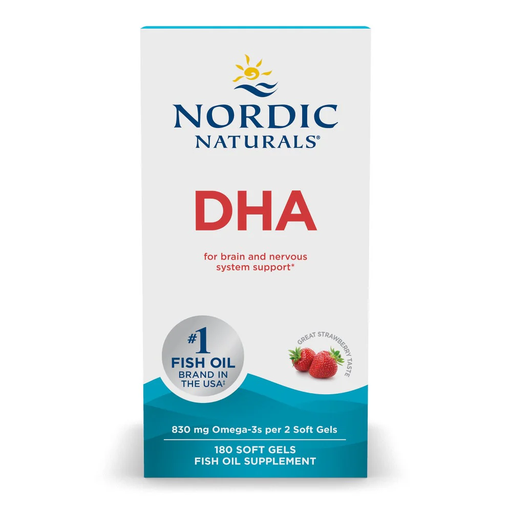
Why This Fits Their Persona: Suits adults who want a DHA-focused fish oil with a flavoured, smaller softgel format.
The label separates 830 mg total omega-3s from 480 mg DHA and 205 mg EPA per two softgels.
DHA-dominant profile; natural strawberry flavour; 180 softgels listed in the pack.
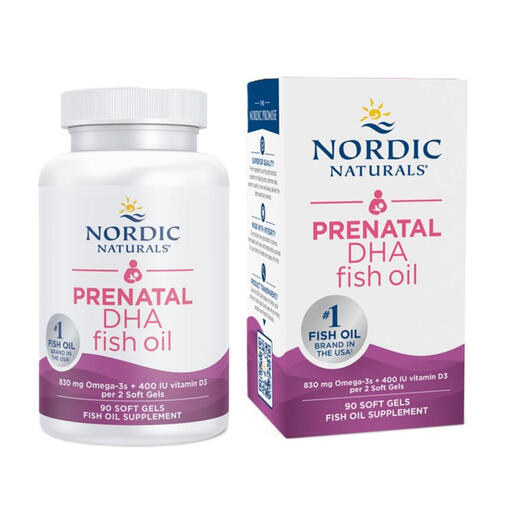
Why This Fits Their Persona: Designed for shoppers comparing DHA for pregnancy with a separate vitamin D contribution.
The serving is stated as two softgels, with DHA, EPA, total omega-3 and vitamin D listed separately.
450 mg DHA and 25 mcg vitamin D3 per serving; fish oil from anchovies and sardines. Contains fish and gelatin.
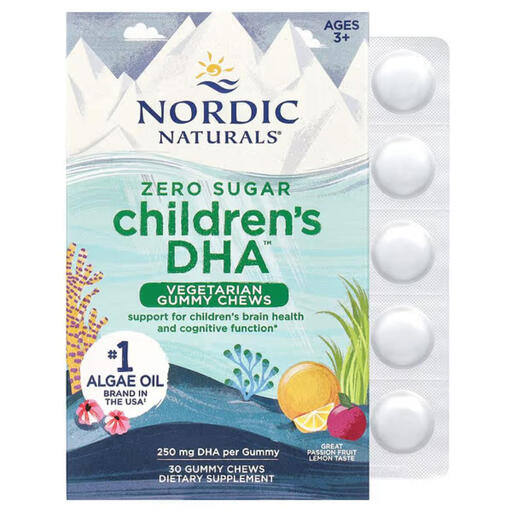
Why This Fits Their Persona: A plant-based gummy format for families seeking children’s DHA without fish oil capsules.
The listing identifies marine microalgae as the source and states that it is for children aged 3 years and over.
100 mg DHA per gummy; passion fruit and lemon flavour; vegetarian formula.
We have compiled a complete, real-time list of products that fully satisfy these strict selection criteria and UK safety regulations.
Check the best-before date and storage instructions on the product label. Softgels should generally be kept in a cool, dry place away from direct sunlight. Liquid products may require refrigeration after opening and may have a specific use period, such as three months. Do not use a product if its seal is broken or the oil smells noticeably rancid.
Some products are specifically labelled as prenatal DHA or suitable for pregnancy and breastfeeding. Others are intended for general adults only. Check the full formula, especially if it contains vitamin A, vitamin D, iron or folate alongside DHA. Speak with a midwife, pharmacist or other healthcare professional before starting a new supplement during pregnancy, particularly if you take medication or already use prenatal vitamins.
Algae DHA can be a practical choice for vegetarians, vegans and people avoiding fish. It also avoids fish-derived allergens, although the complete label still needs checking. Compare the DHA per serving, capsule material, number of daily softgels and price per day rather than choosing solely on the “vegan” description.