
24/7 全天候客户支持

免费退货

当日/次日达

品质保障

开启新人专享福利: 全场免邮 | 低至 2 折 | 免费试用 30 天 JoyPlus 会员
下载 Joybuy
Buying omega 3 fish oil supplements can look straightforward until you compare serving sizes, EPA and DHA amounts, oil formats and flavour options. A large bottle does not necessarily provide a concentrated dose, while “high potency” on the front label may refer to the total fish oil rather than the omega-3 content that buyers actually want.
For UK shoppers, the practical choice usually comes down to three questions: how much EPA and DHA do you need per serving, which formulation suits your routine and can you use the product consistently without unpleasant aftertaste or inconvenient dosing?
A softgel may contain 1,000mg of fish oil but considerably less EPA and DHA. Always look at the nutrition panel rather than relying on the large number on the front of the packaging.
For comparison, the listed Nordic Naturals products provide clearly stated amounts per serving. The Ultimate 2X Sport supplies 2,150mg total omega-3s, including 1,640mg EPA and 490mg DHA, while the Ultimate Omega One Daily provides 1,075mg total omega-3s in one softgel.
A bottle with 120 softgels may last longer, but only if the recommended daily serving is suitable for your needs. A two-softgel serving can provide a different EPA-to-DHA balance from a one-softgel formula, so compare the cost per daily serving, not just the pack price.
Fishy burps can make an otherwise suitable supplement difficult to use every day. Lemon flavouring may help some users, but it does not remove the need to check the seal, best-before information and storage instructions. Several products advise keeping the oil away from heat and direct sunlight; refrigeration after opening may also be recommended.
EPA and DHA are the two figures to prioritise when comparing an EPA and DHA supplement. EPA is often the larger component in formulas positioned around heart and mood support, while DHA is commonly highlighted for brain and visual function.
There is no single suitable ratio for every adult. Instead, match the profile to your preference:
Do not exceed the stated serving. If you take anticoagulant medication, have a medical condition, are pregnant or breastfeeding, or are preparing for surgery, consult a healthcare professional before use.
Some products use a triglyceride form fish oil, including re-esterified triglyceride, commonly abbreviated as rTG. This is different from ethyl ester formulations and may be an important consideration for shoppers comparing processing formats.
However, “rTG” should not distract from the basics: check the actual EPA and DHA figures, the recommended dose, allergens and freshness information. Formulation is one factor in selection rather than a guarantee of a particular health outcome.
Look for transparent information about fish species, origin, testing and sustainability. The listed Nordic Naturals formulas use fish such as anchovies and sardines, with some products also including mackerel and herring. Their product information refers to wild-caught sourcing, batch testing and Friend of the Sea certification on selected products.
Certification and testing statements should be checked on the current product packaging. Supplements are not a substitute for a varied diet, and product formulations can change.
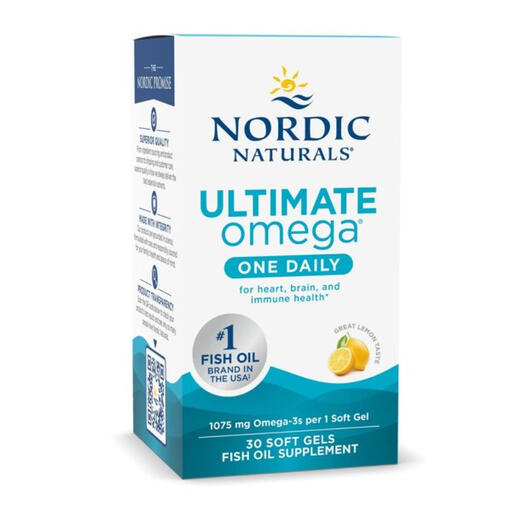
Why This Fits Their Persona: One softgel daily provides a straightforward starting point for adults who prefer a simple routine and lemon flavour.
The label specifies 1,075mg total omega-3s, including 562mg EPA and 438mg DHA, rather than relying only on a total oil figure.
One-softgel serving; lemon flavour; rTG formulation; Friend of the Sea certification stated in the supplied product details.
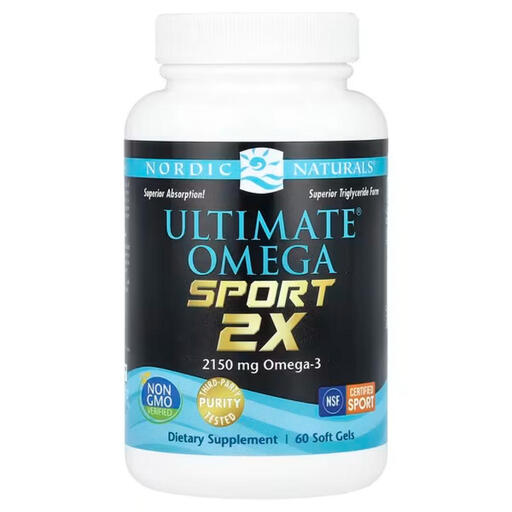
Why This Fits Their Persona: Active adults who want a concentrated formula may prefer two softgels supplying a clearly stated high omega-3 total.
The serving panel separates total omega-3s from EPA and DHA, helping shoppers compare concentration more accurately.
2,150mg total omega-3s per two softgels; 1,640mg EPA; 490mg DHA; rTG form and anchovy-and-sardine sourcing.
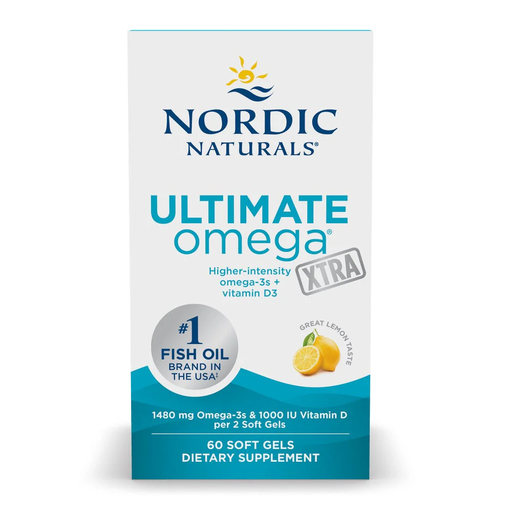
Why This Fits Their Persona: Shoppers seeking a high EPA omega 3 profile and lemon-flavoured softgels may find this format easier to incorporate with meals.
Its panel identifies 1,060mg EPA and 260mg DHA per two-softgel serving, making the intended EPA emphasis visible.
1,640mg total omega-3s per serving; lemon flavour; triglyceride form; third-party purity verification stated in the supplied details.
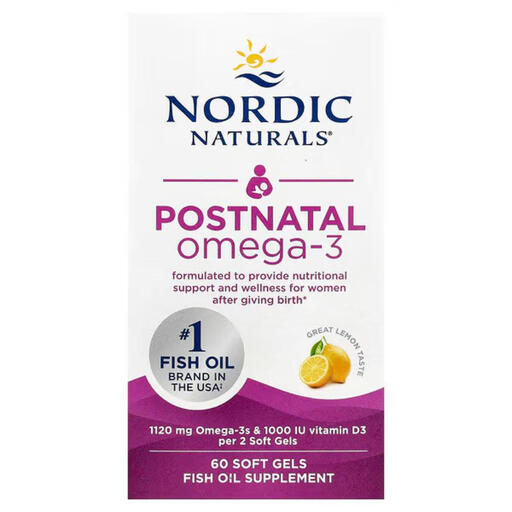
Why This Fits Their Persona: New mums may appreciate a labelled postnatal formula with lemon flavour, two-softgel dosing and added vitamin D3.
The serving information lists 586mg EPA, 456mg DHA and 25mcg vitamin D3, so the additional nutrient is not hidden behind general wellness language.
1,120mg total omega-3s per serving; rTG form; lemon flavour; includes vitamin D3. Consult a healthcare professional when breastfeeding or taking medication.
We have compiled a complete, real-time list of products that fully satisfy these strict selection criteria and UK safety regulations.
Shelf life varies by product and packaging. Follow the best-before date and storage instructions on the label. Once opened, protect the bottle from heat, moisture and sunlight. If the oil develops an unusual smell or taste, stop using it and seek advice from the retailer or manufacturer.
The supplied product instructions recommend taking these softgels with food. A meal may also make larger capsules more comfortable to swallow. Follow the specific directions for your chosen product rather than increasing the dose independently.
Not automatically. High-potency formulas provide more omega-3 per serving, but suitability depends on your diet, medication and personal circumstances. People taking blood thinners, those with medical conditions and pregnant or breastfeeding women should ask a healthcare professional before choosing a high-potency omega 3 or postnatal omega 3 product.