
24/7 Customer Support

Free returns

Same-day & Next-day Delivery

Quality Guaranteed

Unlock Your Welcome Offers: FREE Delivery | Up to 80% OFF | Free 30-day JoyPlus trial
Download the APP
Choosing omega-3 fish oil supplements is not simply a case of picking the bottle with the largest number on the front. UK shoppers may be comparing EPA and DHA strength, capsule size, purification methods, added vitamins, flavour and serving cost—all of which can affect whether a product suits their routine.
This guide explains the practical specifications to check before buying, common marketing pitfalls and a selection of products matched to different needs.
A capsule labelled “1,000 mg fish oil” may contain considerably less than 1,000 mg of EPA and DHA. The important figures are the amounts of EPA (eicosapentaenoic acid) and DHA (docosahexaenoic acid) per recommended serving.
For example, NOW Foods Omega-3 provides 1,000 mg of fish oil per softgel but 180 mg EPA and 120 mg DHA. By comparison, a high-strength formula may provide more omega-3s in one or two softgels. Always compare the active EPA and DHA totals rather than the overall oil weight.
Terms such as “purified”, “molecularly distilled” and “pharmaceutical-grade” can be useful descriptions, but they do not replace checking the ingredient list and nutrition panel. Look for information about the fish source, added antioxidants, testing statements and the form of omega-3 used.
Some products use a triglyceride-form omega-3, including re-esterified triglyceride (rTG), while others use different oil structures. The form may influence how a shopper compares products, but it should be considered alongside EPA and DHA concentration, price and tolerability.
Vitamin D3 can be convenient during seasons when dietary intake or sunlight exposure is limited, but taking several fortified supplements together may result in unnecessary duplication. Cod liver oil products may also contain vitamins A and D, which is particularly important to check during pregnancy.
Read the full label before combining omega-3 softgels with a multivitamin, cod liver oil or a separate vitamin D product.
EPA and DHA are the two figures most useful for comparing EPA and DHA supplements. A higher combined amount generally means fewer capsules are needed to reach the product’s stated serving.
Examples in this range include:
These products suit different routines, so the strongest label is not automatically the most suitable choice.
Fish oil can be sensitive to heat, light and air. Check whether the product lists antioxidants such as vitamin E or tocopherols, and follow the storage instructions carefully.
A clear source description—such as anchovies and sardines—can also help shoppers identify the type of marine oil used. Some products provide sustainability or third-party testing information; treat these as product features to compare rather than assuming that every “clean” or “pure” claim means the same thing.
Large fish oil capsules can be inconvenient for people who struggle to swallow tablets. Mini softgels, once-daily formats and lemon- or orange-flavoured shells may make regular use easier.
Check whether the stated serving is one or two capsules, as this affects both convenience and the cost per day. People with fish allergies should avoid these products, and most softgels use gelatine rather than a plant-based capsule shell.
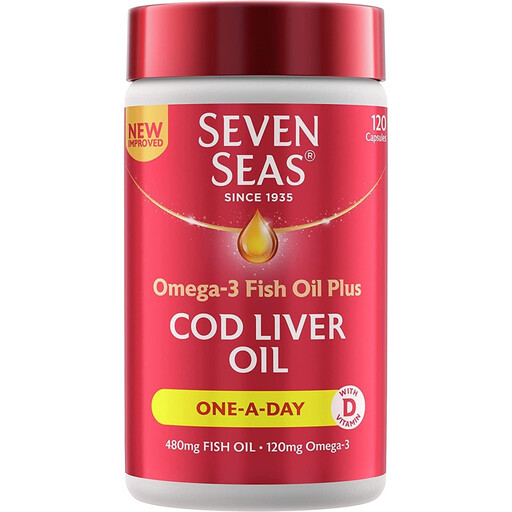
Why This Fits Their Persona: A 120-capsule format with one capsule per day can suit shoppers who want a straightforward routine and additional vitamins A and D.
The label clearly states 54 mg EPA and 46 mg DHA per capsule, helping buyers avoid mistaking total oil weight for omega-3 content.
One-capsule daily serving; includes 750 µg vitamin A and 10 µg vitamin D. Check suitability carefully during pregnancy.
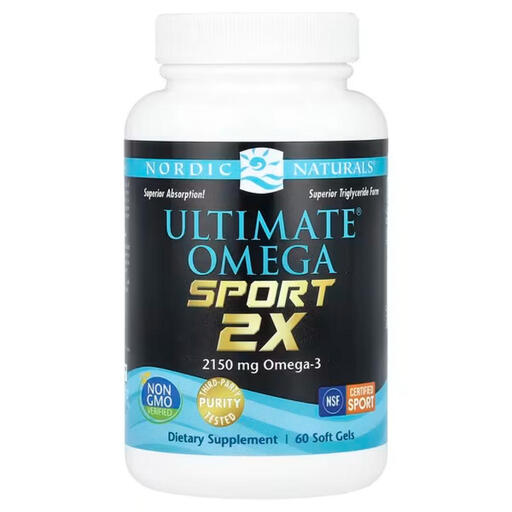
Why This Fits Their Persona: Suitable for adults comparing high-strength omega-3 options and preferring a concentrated serving for an active lifestyle.
Its serving panel separates total omega-3s from EPA and DHA, while identifying the oil as triglyceride-form rTG.
2,150 mg total omega-3s per two softgels; provides 1,640 mg EPA and 490 mg DHA.
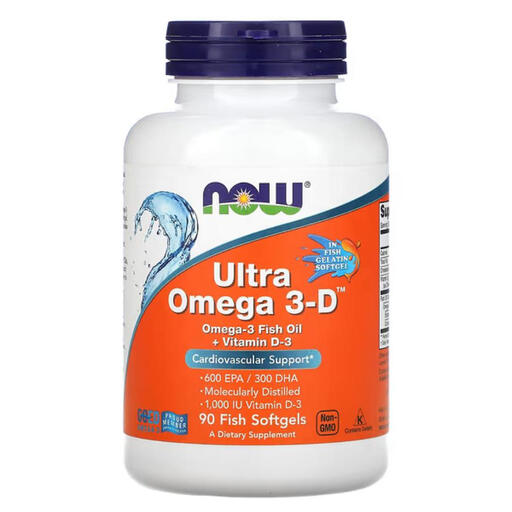
Why This Fits Their Persona: A practical option for adults seeking high-strength EPA and DHA alongside vitamin D3 in one lemon-flavoured softgel.
The one-softgel serving makes the daily dose easy to identify, and the label states the precise vitamin D3 amount rather than using a vague fortified claim.
900 mg total omega-3s, including 600 mg EPA and 300 mg DHA, plus 25 µg vitamin D3 per softgel.
We have compiled a complete, real-time list of products that fully satisfy these strict selection criteria and UK safety regulations.
The unopened shelf life is shown by the best-before information on the packaging. After opening, storage conditions matter: keep the container sealed, away from heat and moisture, and follow the manufacturer’s instructions. Do not use a product if the seal is broken or the capsules develop an unusual smell, leak or change in appearance.
Many fish oil capsules are recommended with a main meal. This can make them easier to tolerate and fits the instructions supplied with many products. Follow the specific directions on the label rather than adding extra capsules to compensate for a missed serving.
No. High-strength products are not automatically appropriate for every adult. People with fish allergies, those taking blood-thinning medication and pregnant or breastfeeding individuals should seek personalised advice before starting supplementation. A varied, balanced diet and healthy lifestyle remain important.