
24/7 Customer Support

Free returns

Same-day & Next-day Delivery

Quality Guaranteed

Unlock Your Welcome Offers: FREE Delivery | Up to 80% OFF | Free 30-day JoyPlus trial
Download the APP
Choosing omega-3 fish oil supplements in the UK can seem straightforward until you compare labels. A large capsule may contain relatively little EPA and DHA, while a product advertised as “high strength” may count the total fish oil rather than the active omega-3 content.
The right choice depends on the figures, formulation and your intended use—not simply the brand name or pack size.
“1,000mg fish oil” does not necessarily mean 1,000mg of omega-3. Fish oil can contain different amounts of EPA and DHA, the two marine fatty acids most commonly highlighted on supplement labels.
For example, a product may list 1,250mg fish oil but provide 750mg omega-3, including 375mg EPA and 250mg DHA. Always compare the active omega-3 amount and the individual EPA and DHA figures.
High-strength omega-3 products vary considerably. One serving may provide 950mg total omega-3, while another supplies more than 2,000mg. However, a higher number is not automatically more suitable for everyday use.
Check:
A one-softgel formula may be more convenient than a two-softgel product, even when both provide a similar daily amount.
Fish oil capsules can be difficult to maintain as a daily habit if they leave a fishy aftertaste or are awkward to swallow. Lemon, orange and strawberry-flavoured options may be preferable for consumers sensitive to odour.
Also check the capsule shell. Many fish oil capsules use gelatin, including bovine gelatin, so they may not suit people following a vegetarian or vegan diet. Fish allergies must also be taken seriously.
EPA and DHA are listed separately on most detailed labels. A formula with more EPA may appeal to adults specifically comparing high-EPA products, while a balanced EPA and DHA profile may be more suitable for general daily supplementation.
For reference, the products below list amounts ranging from 500mg total omega-3 per serving to 2,150mg. These figures are not directly comparable unless the serving size is also considered.
Some EPA and DHA supplements specify triglyceride-form omega-3, including re-esterified triglyceride (rTG) oil. Others use a phospholipid-based formula or simply list purified fish oil.
These are different formulations, so compare the actual label rather than assuming that one format automatically suits everyone. A phospholipid product may provide a lower total omega-3 amount but include phospholipids as a central feature of its formulation.
Some omega-3 softgels include Vitamin D3, vitamin E or antioxidant ingredients such as rosemary extract and tocopherols. These may be useful if you are looking for a combined formula, but check your total intake if you already use multivitamins or immune support supplements.
Purity information may include the fish species, origin, sustainability certification or third-party testing statements. Treat broad wording such as “pure” or “premium” as a prompt to inspect the ingredients and product information, rather than as a measurable specification.
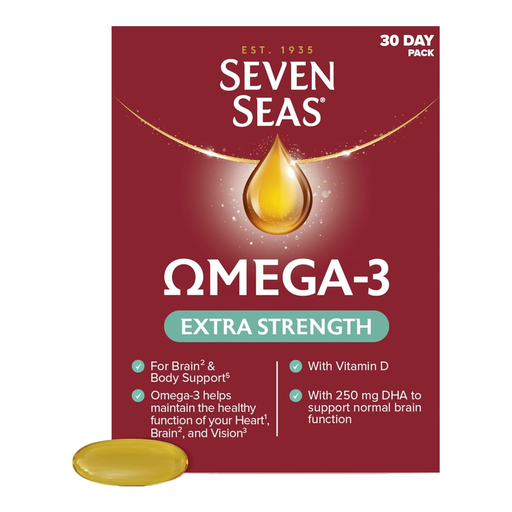
Why This Fits Their Persona: A 30-capsule pack provides a straightforward one-month format, with one capsule per day and Vitamin D included.
The label separates 1,250mg fish oil from 750mg omega-3, including 375mg EPA and 250mg DHA, making the active content clear.
One-capsule daily serving; 10µg Vitamin D per capsule; compact 30-day pack.
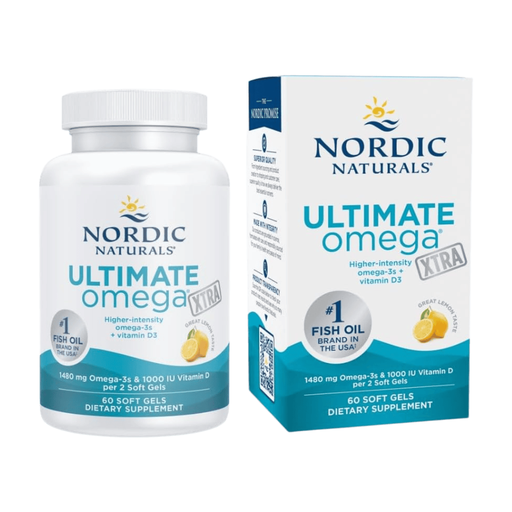
Why This Fits Their Persona: Suits adults who prioritise a concentrated, lemon-flavoured formula with Vitamin D3 and a two-softgel serving.
The serving label shows 1,480mg total omega-3, with 850mg EPA and 425mg DHA, rather than relying only on a strength headline.
Natural lemon flavour; Vitamin D3 at 25µg per serving; purified deep-sea fish oil listed.
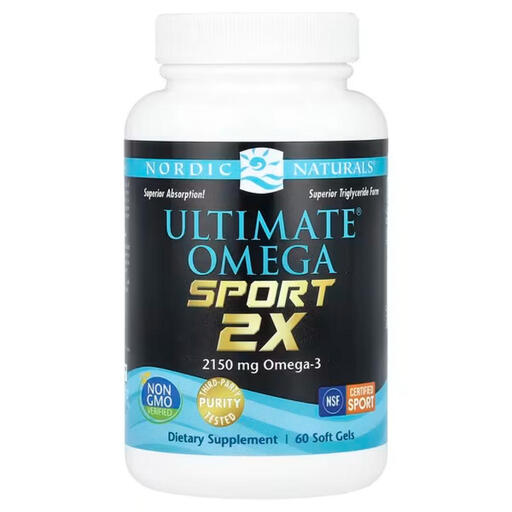
Why This Fits Their Persona: Designed for adults comparing high-potency omega-3 options and comfortable taking two softgels with food.
Its label states the complete serving breakdown: 2,150mg total omega-3, including 1,640mg EPA and 490mg DHA.
Triglyceride-form oil is specified; wild-caught anchovies and sardines are listed as sources.
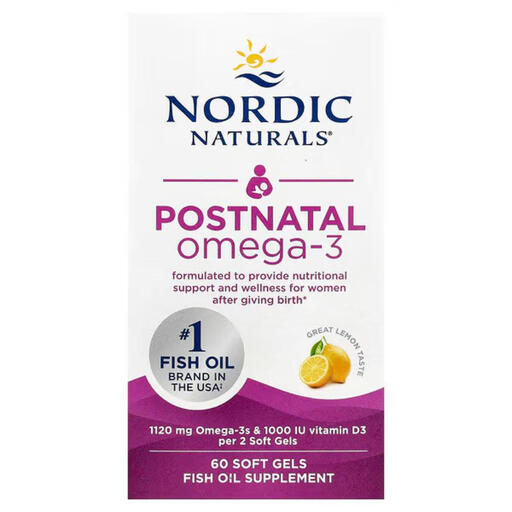
Why This Fits Their Persona: A postnatal-focused option for new mums who want omega-3 alongside Vitamin D3 and a lemon flavour.
The serving details identify 1,120mg omega-3, 586mg EPA, 456mg DHA and 25µg Vitamin D3 in two softgels.
rTG triglyceride form is specified; lemon flavour and fish sourced from anchovies, sardines, mackerel and herring are listed.
We have compiled a complete, real-time list of products that fully satisfy these strict selection criteria and UK safety regulations.
Before ordering, review the product label for:
Food supplements should not replace a varied, balanced diet. If you take prescribed medication or are postnatal, pregnant or breastfeeding, seek advice from a healthcare professional before choosing a supplement.
Shelf life varies by product and packaging. Follow the best-before date and storage instructions on the container. Keep softgels in a cool, dry place away from direct sunlight, heat and humidity, and close the lid or blister pack properly after use.
Many labels recommend taking fish oil capsules with a meal. This can fit more easily into a daily routine and may help reduce aftertaste. Follow the directions supplied with your chosen product rather than changing the serving yourself.
No single strength suits every adult. Compare EPA, DHA, serving size and added nutrients before buying. Those taking medicines, preparing for surgery, managing a health condition or using other Vitamin D or fish oil products should ask a healthcare professional for personalised advice.