
24/7 全天候客户支持

免费退货

当日/次日达

品质保障

开启新人专享福利: 全场免邮 | 低至 2 折 | 免费试用 30 天 JoyPlus 会员
下载 Joybuy
Navigating the world of Omega-3 fish oil supplements can feel overwhelming. Shelves are packed with bottles promising a host of benefits, but not all fish oil capsules are created equal. Many shoppers in the UK find themselves confused by marketing jargon and end up with a product that doesn't meet their needs. As the Joybuy Product Recommendation Officer, my role is to help you see past the hype and make an informed choice.
This guide will highlight the common pitfalls to avoid and break down the key factors you should be looking at on the label. Let's ensure your investment in your health is a sound one.
Before you add any supplement to your basket, be aware of these frequent issues that can lead to a disappointing purchase:
To choose wisely, you need to become familiar with reading the back of the label. Here are the three most important parameters to check.
The primary reason to take an EPA and DHA supplement is for these two specific long-chain omega-3 fatty acids. They are the components linked to supporting cardiovascular and cognitive function.
Omega-3s in fish exist naturally in a triglyceride (TG) form. For concentration, some oils are converted to an ethyl ester (EE) form. While both can provide benefits, the form can impact absorption and tolerance.
The origin of the oil and any additional ingredients can help you match a product to your specific wellness goals.
Based on these criteria, we've matched several products to different user needs. This is not an exhaustive list, but it provides clear examples of what to look for.
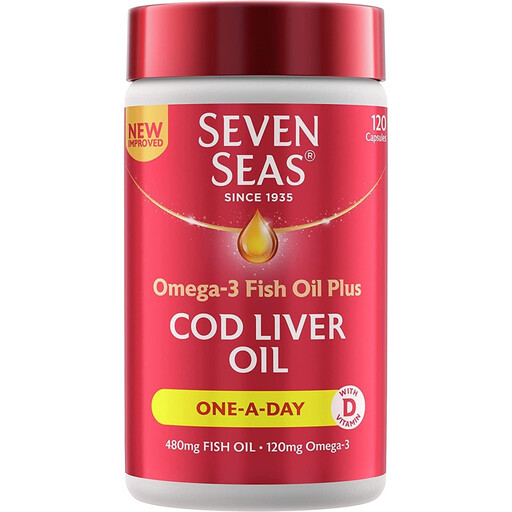
Why This Fits Their Persona: This is a straightforward and economical choice for those in the UK seeking general daily support. It combines two traditional sources of fatty acids and is a household name, offering a sense of reliability for first-time or value-conscious buyers.
It doesn't over-promise. The label clearly states it's a blend of cod liver oil and fish oil, with added Vitamins A and D. It's positioned as a general health supplement, not a high-strength therapeutic dose, avoiding the "high dose illusion."
Provides a dual-oil formula with the added benefit of Vitamins A and D, making it a convenient all-in-one for foundational wellness and immune support.
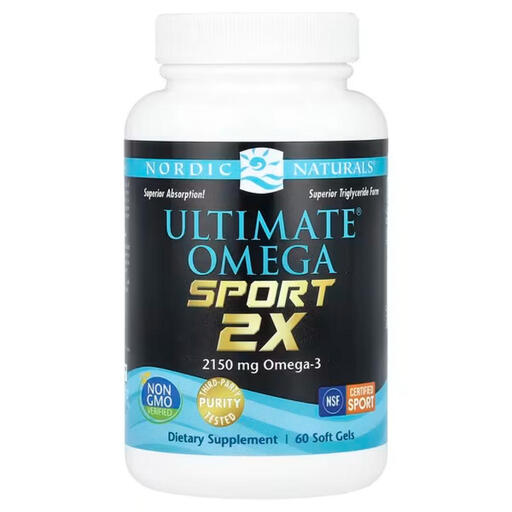
Why This Fits Their Persona: This user, whether an athlete or someone with demanding cognitive needs, requires a potent dose. This formula is designed for those seeking maximum EPA/DHA concentration for functions like exercise recovery and sharp focus.
It delivers exactly what its "Ultimate 2X Sport" name implies: a very high concentration of active omega-3s (2150mg per serving). It also specifies it is in the superior triglyceride (rTG) form, addressing concerns about absorption and aftertaste.
Offers an exceptionally high dose of EPA and DHA in a highly bioavailable form, making it suitable for individuals with significant requirements for cardiovascular, cognitive or joint support.

Why This Fits Their Persona: New mothers have unique nutritional needs. This formula is specifically tailored for the postnatal period, with a high level of DHA to support maternal cognition and the continued neurological development of a nursing infant.
It avoids a "one-size-fits-all" approach by targeting a specific life stage. The label clearly communicates its purpose and provides a meaningful dose of DHA (456mg) and added Vitamin D3, which are particularly relevant for postnatal women.
A targeted formula in the bioavailable rTG form, providing high-DHA omega-3 and Vitamin D3 to support the wellness of both mother and baby after childbirth.
We have compiled a complete, real-time list of products that fully satisfy these strict selection criteria and UK safety regulations.
1. What is the difference between fish oil and cod liver oil? This is a common point of confusion. Cod liver oil is extracted specifically from the liver of codfish and is a natural source of Vitamins A and D, in addition to having some omega-3s. Standard fish oil is extracted from the flesh of oily fish like sardines, anchovies and mackerel, and it is typically much richer in the omega-3s EPA and DHA. Some products, like the Seven Seas option mentioned, blend both.
2. How long does it take for omega-3 supplements to work? Omega-3 supplements are not a quick fix. They work by gradually building up levels of these fatty acids in your body's cells. Most people need to take them consistently for at least 6-8 weeks, and often up to three months, before they might notice supportive effects on their mood, joints or overall wellness. It's about long-term maintenance.
3. Should I store my fish oil capsules in the fridge? Always check the storage instructions on the product label. Most fish oil capsules are shelf-stable and only need to be kept in a cool, dry place away from direct sunlight. However, for high-potency oils or once a bottle has been opened, refrigeration can help maintain maximum freshness and prevent oxidation, but it is not always a requirement.