Navigating the world of dietary supplements can often feel overwhelming. When it comes to finding a quality omega 3 supplement, the sheer number of options—from fish and krill oil to plant-based alternatives—can make it difficult to know where to start. Are you looking for a heart health supplement, something to support cognitive function or a vegan-friendly option?
As the Joybuy Product Recommendation Officer, my role is to help you understand the key differences between products. This guide will walk you through what to look for when you buy omega 3 UK and highlight a few standout options to help you make an informed choice for your wellness routine.
How to Select the Right Omega 3 Supplement
Before diving into specific products, let's cover a few key factors to consider. Understanding these will help you filter through the marketing jargon and focus on what truly matters for your health needs.
1. Understand the Source: Fish, Krill, or Algae?
The source of your omega-3 is one of the most important decisions. Each has unique properties:
- Fish Oil: The most traditional source, typically derived from oily fish like anchovies, sardines and mackerel. High-quality fish oil capsules are a reliable way to get beneficial fatty acids. Look for products that specify the type of fish and confirm they are purified to remove heavy metals.
- Krill Oil: Sourced from tiny crustaceans in the Antarctic. The omega-3s in krill oil are bound to phospholipids, which may help the body absorb them more efficiently. It also naturally contains astaxanthin, a potent antioxidant.
- Algae Oil: The original source of omega-3 in the marine food chain. Fish and krill get their omega-3s by eating algae. This makes algae oil an excellent, sustainable and direct source of EPA and DHA, making it the perfect vegan omega 3 option.
2. Focus on EPA and DHA Content
Don't just look at the total "omega-3" amount on the front of the bottle. The two most important types of omega-3 fatty acids are EPA (Eicosapentaenoic Acid) and DHA (Docosahexaenoic Acid). These are the active compounds linked to most of the health benefits.
- EPA is primarily associated with supporting heart health and managing inflammation.
- DHA is a major structural component of the brain and the retina, making it a key brain support supplement and important for vision.
Check the nutrition label on the back for the specific amounts of EPA and DHA per serving. A higher concentration often means you can take fewer capsules to achieve your desired daily intake.
3. Consider Form and Features
The final details can make a big difference in your daily experience.
- Form: Omega-3s come in different molecular forms, with the triglyceride form generally considered to be more stable and better absorbed by the body than the ethyl ester form.
- Capsule Size: If you have trouble swallowing pills, look for mini omega 3 softgels or even chewable options.
- Aftertaste: A common complaint with fish oil is the "fishy burp." Many modern supplements use high-quality, fresh oils and add natural flavours like lemon or strawberry to eliminate any unpleasant aftertaste.
Recommended Products to Consider
Based on their formulation, source and user-friendly features, here are a few omega-3 supplements worth considering.
For the Plant-Based Lifestyle: Nordic Naturals Algae Omega-3
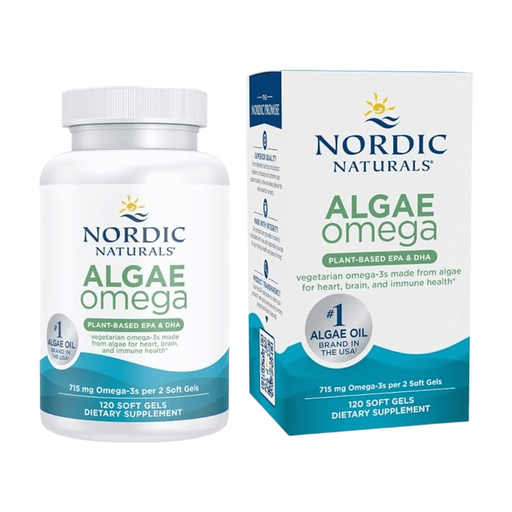
- Why It Stands Out: This supplement provides a potent dose of omega-3s derived directly from microalgae, the original marine source. It offers a high concentration of active ingredients, making it a powerful plant-based choice.
- Pros:
- High Potency: Delivers 715 mg of total omega-3s per serving, with 195 mg EPA and 390 mg DHA.
- Pure & Vegan: Certified 100% vegetarian, non-GMO and hexane-free.
- Sustainable Source: Derived from sustainably cultivated microalgae.
- Who is it for? Ideal for vegans, vegetarians and anyone seeking a high-quality, fish-free EPA DHA supplement.
For Enhanced Absorption: KIKI Health Krill Oil
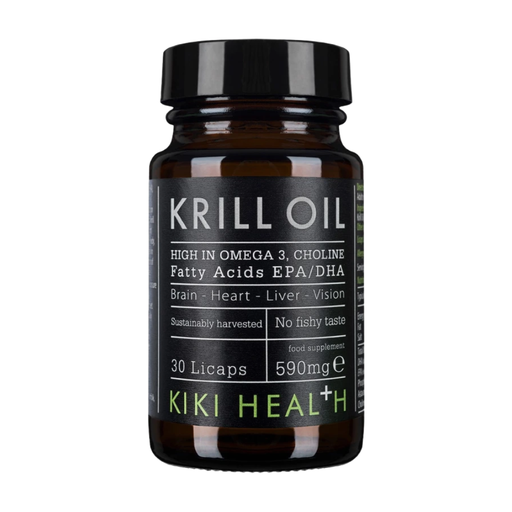
- Why It Stands Out: This krill oil stands apart due to its phospholipid-bound omega-3s, which are structured similarly to our cell membranes, potentially aiding absorption. It also contains naturally occurring choline and astaxanthin.
- Pros:
- Phospholipid Form: Contains 331 mg of phospholipids per capsule for efficient delivery to the body.
- No Fishy Aftertaste: The Licaps capsule design helps prevent fishy burps or reflux.
- Sustainably Sourced: Harvested from pristine Antarctic waters.
- Who is it for? Those looking for an alternative to traditional fish oil that is easy for the body to use and has no unpleasant aftertaste. Note: It contains crustaceans and is not suitable for those with shellfish allergies.
For High Potency in a Small Package: Nordic Naturals Ultimate Omega 2X Mini
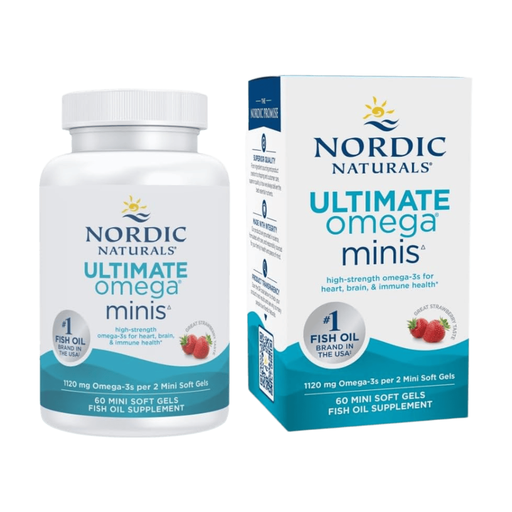
- Why It Stands Out: This product solves a common problem: large, hard-to-swallow pills. It packs an ultra-concentrated dose of omega-3s into mini softgels that are half the standard size.
- Pros:
- Ultra-Concentrated: A powerful serving of 1120 mg of total omega-3s (586 mg EPA and 456 mg DHA).
- Easy to Take: The mini softgels are easy to swallow or chew and have a pleasant natural strawberry flavour.
- Superior Form: Formulated in the re-esterified triglyceride form for optimal absorption.
- Who is it for? Anyone who needs a high-intensity omega 3 supplement but dislikes large capsules, including seniors and young adults.
Looking for Other Options?
Omega-3s, particularly DHA, are also vital for maintaining normal vision. If you are exploring supplements specifically for eye care, you might find other suitable options in our broader collection.
Explore our full range of eye health supplements.
Frequently Asked Questions
What is the difference between EPA and DHA?
Both are crucial omega-3 fatty acids, but they have slightly different primary roles. EPA is most recognised for its benefits to cardiovascular health and its role in managing inflammatory responses. DHA is a key structural fat in the brain and eyes, making it essential for cognitive function and visual health. Most quality supplements contain a combination of both.
Can I get enough omega-3 from my diet?
Oily fish like salmon, mackerel and sardines are excellent dietary sources of EPA and DHA. However, many people in the UK do not consume the recommended two portions of fish per week. For those individuals, or for those with specific dietary preferences like veganism, a high-quality omega 3 supplement can be a reliable and convenient way to ensure an adequate daily intake.
How long does it take for an omega-3 supplement to show effects?
Omega-3 supplements are not a quick fix but rather a long-term investment in your health. The benefits, such as supporting heart and brain function, are cumulative. Consistent daily intake over several weeks or months is generally needed to build up levels in your body's cells. It's best viewed as part of a sustained, healthy lifestyle.


