
24/7 Customer Support

Free returns

Same-day & Next-day Delivery

Quality Guaranteed

Unlock Your Welcome Offers: FREE Delivery | Up to 80% OFF | Free 30-day JoyPlus trial
Download the APP
Choosing omega-3 supplements in the UK can be surprisingly difficult. A large bottle does not necessarily provide a high amount of EPA and DHA, while attractive “high-strength” wording may refer to the total oil rather than the active omega-3 content.
The right choice depends on your diet, age, preferred format and reason for taking it. This guide explains the key figures to compare, common buying traps and suitable options for adults, vegans, pregnant women and children.
A capsule may contain 1,000 mg of fish oil but considerably less EPA and DHA. These are the specific omega-3 fatty acids most shoppers are looking for when comparing fish oil capsules.
Always check the nutrition panel for:
For example, a product providing 1,075 mg total omega-3s in one softgel is more concentrated than a product listing 1,000 mg of fish oil but not clearly stating its EPA and DHA levels.
Many vegan omega-3 products use flaxseed oil, which provides ALA (alpha-linolenic acid). The body can convert ALA into EPA and DHA, but this conversion is limited. Algae oil is a more direct plant-based source of DHA and, in some formulas, EPA as well.
If you avoid fish, compare whether the product provides:
This distinction is particularly important when your priority is a direct source of DHA.
Large capsules can be difficult to swallow, and some traditional fish oils may leave an unpleasant aftertaste. On the other hand, omega-3 gummies for children may contain sweeteners and usually provide a lower dose per serving.
Consider whether you prefer:
A format that is easy to take consistently is often more practical than a product with impressive figures that remains unopened in a cupboard.
EPA and DHA are the main figures to compare for adult fish oil capsules and DHA supplements. A DHA-focused formula may suit shoppers prioritising brain and eye nutrition, while a balanced EPA and DHA formula offers a broader fatty-acid profile.
Do not compare products by capsule count alone. One product may require three softgels per day, while another provides a similar amount in one or two.
Fish oil is commonly sourced from small oily fish such as anchovies, sardines, mackerel and herring. People with fish allergies should avoid these products and check the full label.
For a vegan omega-3, look for algae oil, often sourced from Schizochytrium sp., and check that the capsule shell is also vegan. Osavi Omega-3 DHA Heart & Brain provides 250 mg DHA per vegan softgel, with a tapioca capsule and no gelatine. Its product information also lists no gluten, lactose, soya or GMO ingredients.
Some formulas combine omega-3 with vitamin D3. This can be convenient, but check your total intake if you already take a separate vitamin D product.
Age suitability is equally important. Adult products should not automatically be given to children. Children’s products have specific serving instructions, and some are suitable from age two while others are labelled for age three and above. Pregnant or breastfeeding women should consult a healthcare professional before choosing prenatal DHA or any combined supplement.
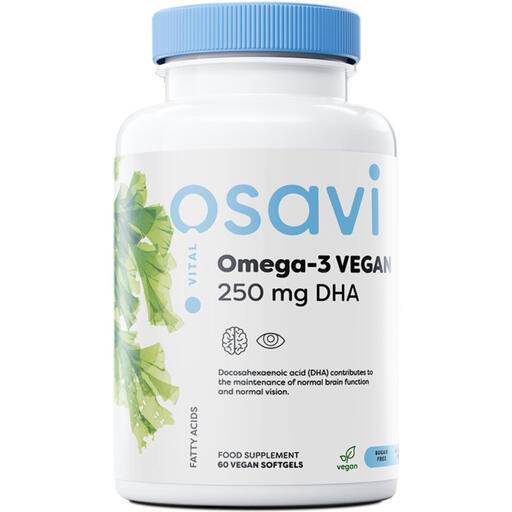
Why This Fits Their Persona: A straightforward daily option for UK shoppers starting with a plant-based DHA supplement and wanting one softgel per day.
The label states the DHA amount clearly rather than relying only on total algae oil. It also uses a vegan tapioca softgel instead of gelatine.
250 mg DHA per softgel; free from gluten, lactose and soya according to the supplied product information.
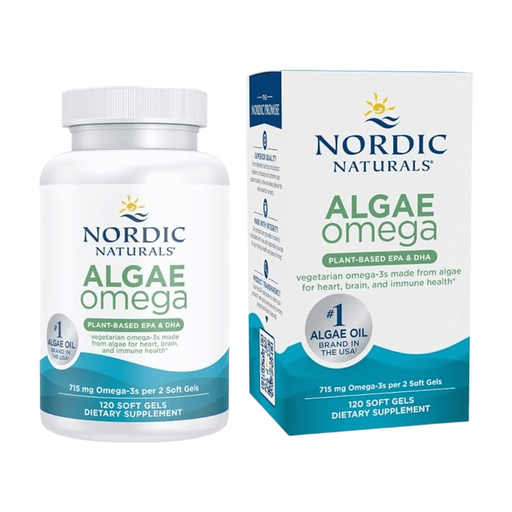
Why This Fits Their Persona: Suitable for vegans and vegetarians wanting both EPA and DHA from algae in a larger pack for regular use.
The supplied nutrition information separates 715 mg total omega-3s into 195 mg EPA and 390 mg DHA, making comparison easier.
120 softgels; algae-based EPA and DHA; listed as suitable for vegetarians and vegans.
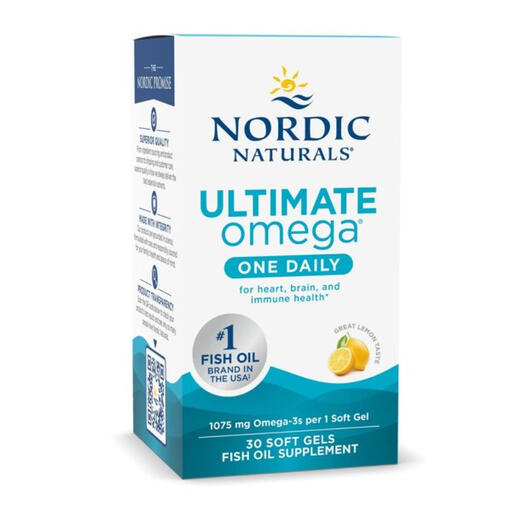
Why This Fits Their Persona: A one-softgel daily format for adults seeking a concentrated fish oil option without a prolonged capsule routine.
The serving information states 1,075 mg total omega-3s, including 562 mg EPA and 438 mg DHA, rather than presenting only the fish oil weight.
One softgel per serving; lemon flavour; EPA and DHA amounts are listed separately.
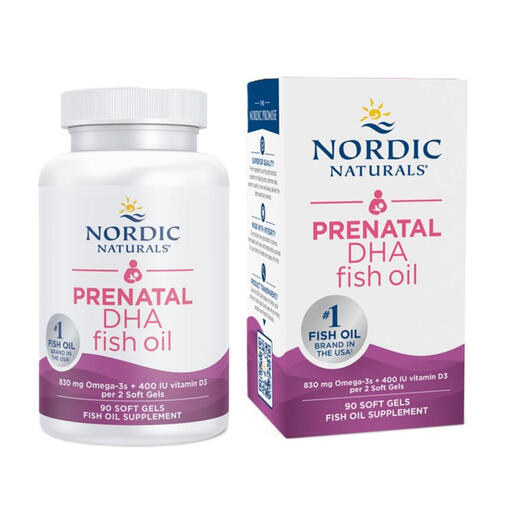
Why This Fits Their Persona: Designed for women who are pregnant, breastfeeding or planning pregnancy and want DHA alongside vitamin D3.
The serving provides 450 mg DHA and 25 mcg vitamin D3. It is clearly labelled for prenatal use, but medical advice remains appropriate before starting.
830 mg total omega-3s per two-softgel serving; includes EPA, DHA and vitamin D3.
We have compiled a complete, real-time list of products that fully satisfy these strict selection criteria and UK safety regulations.
Food supplements should complement a varied diet and should not replace medical treatment or balanced meals.
Shelf life varies by product and storage conditions. Keep softgels in a cool, dry place away from direct sunlight, and follow the label. Some products recommend refrigeration after opening. Do not use a supplement if the tamper-evident seal is broken or if the product has an unusual smell or appearance.
Some products are labelled for children aged two and above, while others are intended for children aged three and above. Check the individual product directions carefully. Never substitute an adult formula for a child’s product, and keep gummies out of reach because their sweet taste may encourage overconsumption.
It may be possible, but check the combined amounts to avoid unnecessary duplication. People taking blood-thinning medicines, pregnant or breastfeeding women, and anyone with an existing condition should seek advice from a pharmacist or healthcare professional before combining products.