
24/7 Customer Support

Free returns

Same-day & Next-day Delivery

Quality Guaranteed

Unlock Your Welcome Offers: FREE Delivery | Up to 80% OFF | Free 30-day JoyPlus trial
Download the APP
Buying omega-3 supplements in the UK can appear straightforward until you compare the labels. Capsules, gummies and softgels may all show a large fish oil or algae oil figure, yet the amount of useful EPA and DHA can vary considerably.
For UK adults, parents, pregnant or breastfeeding women, older people, active individuals and vegans, the right choice depends less on impressive packaging and more on formulation, dosage, dietary suitability and ease of regular use.
A label may highlight “1,000mg fish oil”, but this is not necessarily 1,000mg of omega-3. Fish oil is the carrier oil; EPA and DHA are the main omega-3 fatty acids shoppers usually compare.
For example, a product containing 1,250mg fish oil may provide 750mg omega-3, including 375mg EPA and 250mg DHA. Always look for the individual EPA and DHA quantities per serving rather than comparing the headline oil weight alone.
Large fish oil capsules may be inconvenient if you dislike swallowing tablets. Gummy and chewable formats can be easier for children, but they may contain sweeteners and often require several pieces per serving. Flavoured softgels can help reduce fishy aftertaste, although flavour preferences differ.
Check the recommended age, serving size and storage instructions before buying. A supplement that is difficult to take consistently may offer poor value, even if its nutrient profile looks attractive.
“High-strength” is not a universal standard. A DHA-focused product may suit someone prioritising DHA intake, while an EPA-focused formula may be more appropriate for a buyer specifically comparing EPA supplements. Added ingredients such as vitamin D3, chromium, alpha-lipoic acid or evening primrose oil may also be unnecessary if you already take other supplements.
Food supplements should not replace a varied diet. People taking anticoagulants or other medication, and anyone who is pregnant, breastfeeding, managing a medical condition or preparing for surgery, should discuss omega-3 use with a healthcare professional.
EPA and DHA have different roles in a formulation. DHA supplements are often selected for brain and visual nutrition, while formulas with more EPA may appeal to adults comparing heart and general wellness products. Some products provide a relatively balanced combination.
Compare:
A product offering 500mg per two softgels should not be compared directly with one providing 1,075mg in a single softgel without accounting for serving size.
Traditional omega-3 fish oil usually comes from oily fish such as anchovies, sardines, mackerel or herring. Fish allergies, vegetarian diets and vegan preferences make algae-based products a useful alternative.
Algae omega-3 can provide DHA, and some formulations also include EPA. Check whether the capsule shell is vegan, as an algae oil does not automatically mean the whole product is plant-based. Look for ingredients such as gelatin, fish, dairy, soy and other allergens.
Softgels are practical for adults, while omega-3 gummies and chewables may be more acceptable to children. Flavoured products can be useful for people who dislike the taste of fish oil.
Some products use triglyceride or re-esterified triglyceride (rTG) forms, while others use phospholipid structures. These are formulation details worth comparing, but they should not distract from the core question: how much EPA and DHA does the daily serving provide?
For products containing vitamin D3 or other nutrients, check your total intake across all supplements. Always follow the product label and do not exceed the stated dose.
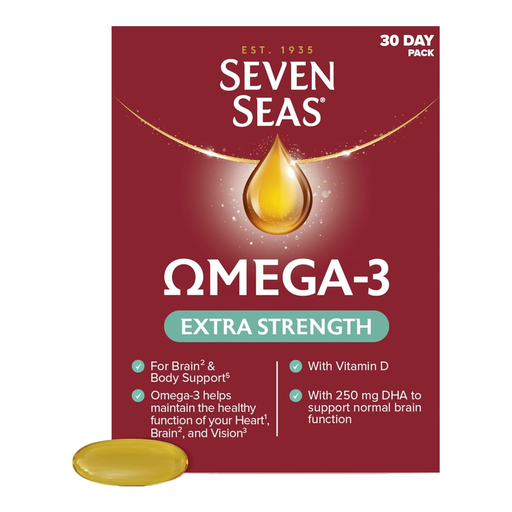
Why This Fits Their Persona: A single capsule daily provides a clearly stated omega-3, EPA, DHA and vitamin D profile, making it a straightforward option for adults starting to compare fish oil capsules.
The label separates 1,250mg fish oil from 750mg omega-3, including 375mg EPA and 250mg DHA, avoiding headline-weight confusion.
One-capsule serving; includes 10µg vitamin D; 30 capsules per pack.
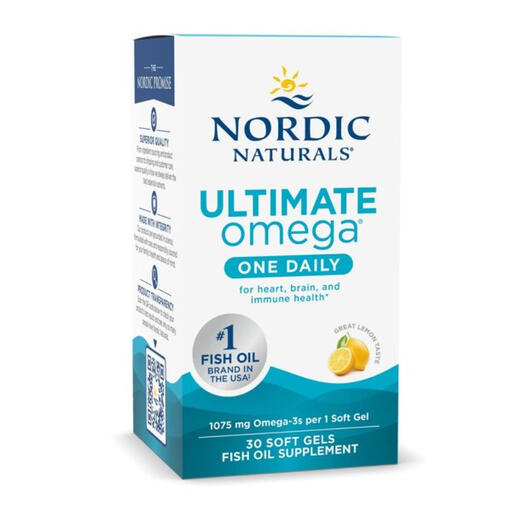
Why This Fits Their Persona: The once-daily softgel suits adults who want a concentrated formulation and a lemon flavour rather than several standard capsules.
Its serving is one softgel, with the EPA and DHA quantities shown separately instead of relying only on a total fish oil figure.
Provides 1,075mg total omega-3s, including 562mg EPA and 438mg DHA; lemon flavour.
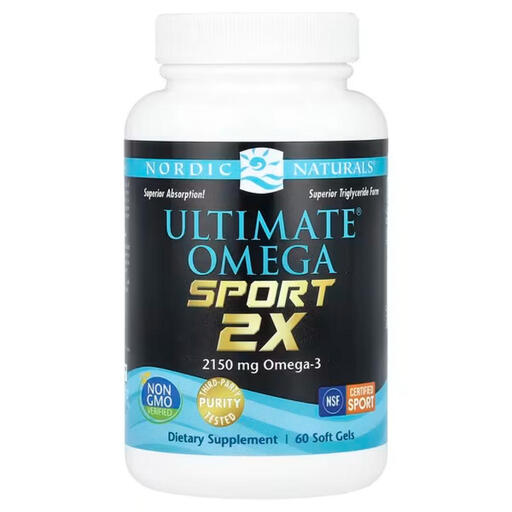
Why This Fits Their Persona: Active adults comparing high-strength omega-3 products may prefer a two-softgel serving with a higher EPA proportion.
The product clearly states 2,150mg total omega-3s per serving, rather than presenting the amount as an unspecified oil weight.
Includes 1,640mg EPA and 490mg DHA per two softgels; recommended with food.
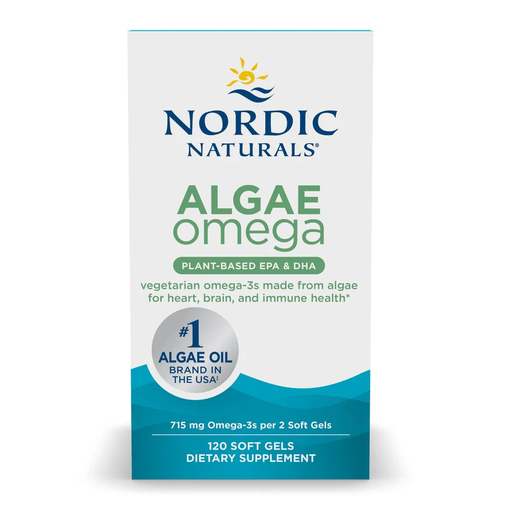
Why This Fits Their Persona: This fish-free option provides both DHA and EPA from marine algal oil and is designed for vegetarian and vegan adults.
The source is stated as marine algae, and the softgel ingredients are plant-based rather than fish-derived gelatin.
715mg total omega-3s per serving, including 195mg EPA and 390mg DHA; vegan formulation.
We have compiled a complete, real-time list of products that fully satisfy these strict selection criteria and UK safety regulations.
Follow the serving instructions on the product label. Many fish oil capsules and algae omega-3 softgels are taken with food, which may make them easier to tolerate. Do not combine several high-strength products without checking the combined EPA, DHA, vitamin D or other nutrient content.
Shelf life varies by product. Keep capsules and gummies in the cool, dry conditions stated on the label, away from heat and direct sunlight. Do not use a product if its tamper-evident seal is broken, and check the best-before information before purchase and use.
Some children’s products are specifically labelled for particular ages, such as three or four years and above. Check the exact serving guidance, allergen information and sweetener content. Products containing xylitol must be kept away from pets, and all children’s supplements should remain out of reach and sight of children.