
24/7 Customer Support

Free returns

Same-day & Next-day Delivery

Quality Guaranteed

Unlock Your Welcome Offers: FREE Delivery | Up to 80% OFF | Free 30-day JoyPlus trial
Download the APP
Choosing omega-3 supplements should be straightforward, but product labels often make comparison harder than necessary. A large number on the front of a bottle may refer to total fish oil rather than the amount of active EPA and DHA. A “high-strength” formula may also require several capsules per serving, while a cheaper product may contain added oils, sweeteners or allergens that do not suit your household.
This guide explains the practical details UK shoppers should check before buying omega-3 fish oil, vegan algae omega-3 or specialist formulas for children, women and postnatal mothers.
“1,000mg fish oil” does not necessarily mean 1,000mg of omega-3. The useful comparison is the declared amount of:
For example, a product may provide 1,250mg fish oil but only 750mg total omega-3, including 375mg EPA and 250mg DHA. Always compare like for like and check whether the figures apply to one capsule or the full daily serving.
Omega-3 products can include vitamin D, evening primrose oil, GLA, multivitamins, antioxidants or other botanical ingredients. These may be useful for a particular routine, but they can also create unnecessary overlap with supplements you already take.
If you are already using vitamin D omega-3, a multivitamin or medication, check the combined intake with a pharmacist or healthcare professional. Do not assume that “more” automatically means better value.
A technically suitable supplement may remain unopened if it causes fishy aftertaste, is difficult to swallow or does not fit your dietary choices. Check whether the product contains fish, crustaceans, gelatine, soya or coconut, and consider:
EPA and DHA are the two figures most relevant when comparing EPA and DHA supplements. DHA is commonly prioritised in products designed for children, while higher-EPA formulas may appeal to adults looking for a more targeted high-strength omega-3 option.
There is no single suitable amount for every person. Follow the product label rather than copying another person’s dosage. A serving might provide 300mg total omega-3, while a concentrated adult formula may provide more than 1,000mg.
Omega-3 fish oil is usually sourced from oily fish such as anchovies, sardines, mackerel or herring. Look for a clear source statement and relevant sustainability or quality information on the packaging.
Vegan algae omega-3 provides DHA, and some products also provide EPA, from marine microalgae. This can suit vegans, vegetarians and shoppers who prefer a fish-free source. However, algae products vary considerably in their EPA and DHA balance, so read the nutrition panel carefully.
Krill oil capsules are a separate marine option. They contain crustaceans, so they are not suitable for people with crustacean allergies. Their EPA and DHA quantities may be lower per capsule than concentrated fish oil, despite a larger headline krill-oil figure.
Check the number of capsules required each day and calculate the cost per serving, not just the price per bottle. Triglyceride or re-esterified triglyceride (rTG) forms are frequently listed on product packaging, while phospholipid formulas use a different oil structure. These are useful format distinctions, but they do not replace checking the actual EPA and DHA amounts.
For vitamin D omega-3 products, check the vitamin D quantity in micrograms and its percentage of the UK Nutrient Reference Value. Avoid duplicating vitamin D or other nutrients without advice. UK shoppers should also read the full label, recommended dose, allergen statement and storage instructions before use.
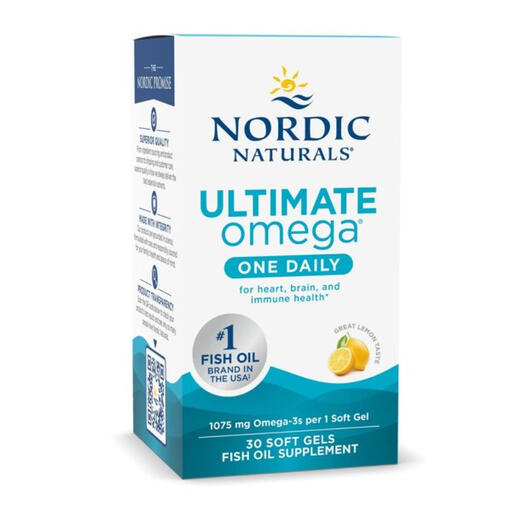
Why This Fits Their Persona: One softgel per day offers a simple starting routine for adults who want to compare daily convenience with a concentrated EPA and DHA profile.
The label specifies 1,075mg total omega-3 per serving, including 562mg EPA and 438mg DHA, rather than only highlighting fish-oil weight.
One-softgel serving and natural lemon flavour; fish oil is sourced from anchovies and sardines.
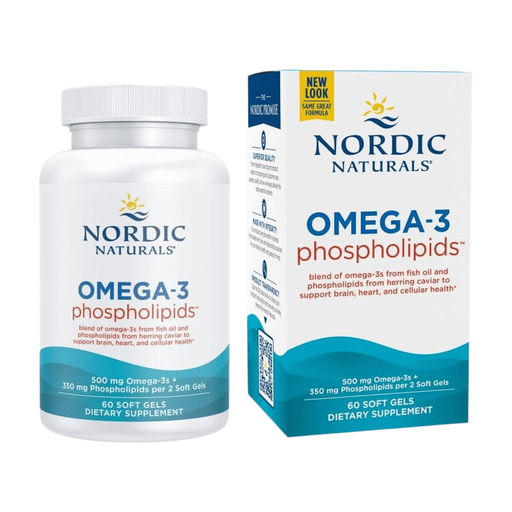
Why This Fits Their Persona: This suits adults who are comparing oil format as well as EPA and DHA quantity, and who prefer a phospholipid-based formula.
The nutrition information separates 500mg total omega-3 from 190mg EPA and 200mg DHA, helping shoppers assess the formula accurately.
Provides 350mg total phospholipids and uses herring roe extract with purified fish oil.
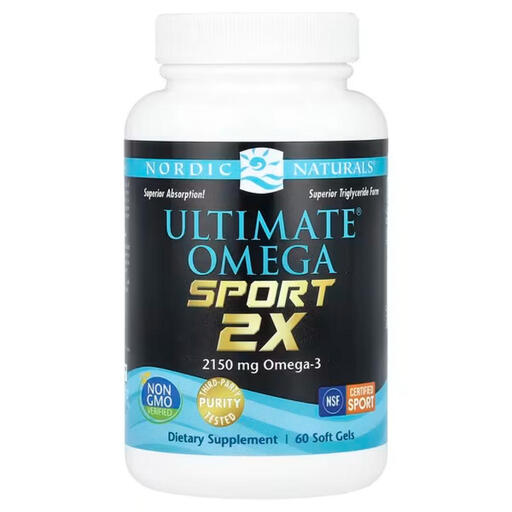
Why This Fits Their Persona: Active adults comparing high-strength omega-3 products may prefer a two-softgel serving with clearly stated EPA and DHA quantities.
The serving provides 2,150mg total omega-3, including 1,640mg EPA and 490mg DHA, so the potency is transparent.
Uses a triglyceride-form fish oil and is supplied as 60 softgels, equivalent to 30 labelled servings.
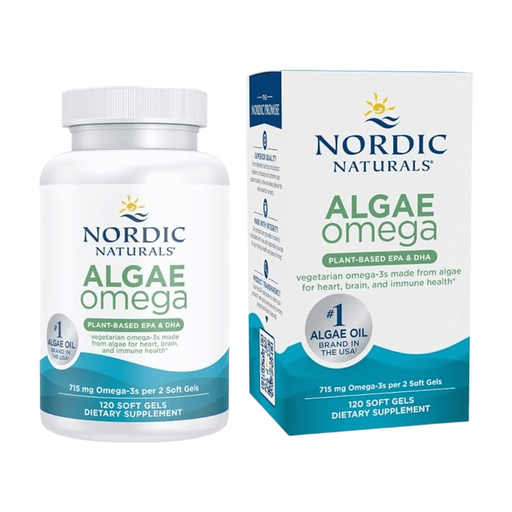
Why This Fits Their Persona: A fish-free option for vegans and vegetarians who still want both EPA and DHA in a softgel format.
Its source is marine algal oil rather than fish oil, with the nutrition panel showing 195mg EPA and 390mg DHA per serving.
Provides 715mg total omega-3 per serving and contains no fish-derived ingredients.
We have compiled a complete, real-time list of products that fully satisfy these strict selection criteria and UK safety regulations.
Most capsules are taken with food, commonly alongside a main meal. This can make the routine easier to remember and may suit oil-based products. Follow the serving instructions on the specific label and do not pierce or chew softgels unless the packaging says they are chewable.
Shelf life varies by product. Store capsules in a cool, dry place away from direct sunlight and heat. Some liquid formulas require refrigeration after opening and have a defined period for use. Check the best-before date, storage instructions and tamper-evident seal before taking the product.
Some products already contain vitamin D, while others are combined with multivitamins. Check for duplicated ingredients before purchase. People taking anticoagulants or other regular medication, and those who are pregnant, breastfeeding, preparing for surgery or managing a health condition, should ask a healthcare professional before using a new supplement.