
24/7 Customer Support

Free returns

Same-day & Next-day Delivery

Quality Guaranteed

Unlock Your Welcome Offers: FREE Delivery | Up to 80% OFF | Free 30-day JoyPlus trial
Download the APP
Buying omega 3 supplements can look straightforward until you compare fish oil strength, EPA and DHA content, serving sizes, flavours and vegetarian alternatives. A low-priced bottle may contain less active omega 3 than expected, while a high-strength product may not suit your diet, medication or preferred format.
This guide from the Joybuy Product Recommendation Officer explains what to check before buying, with practical options for UK adults, parents, postnatal women and people seeking vegan omega 3.
“Fish oil” and “omega 3” are not interchangeable figures. A capsule may list 1,000mg of fish oil but provide considerably less EPA and DHA. Always check the nutrition panel for:
For example, a product providing 1,250mg fish oil may list 750mg omega 3, including 375mg EPA and 250mg DHA. The active fatty acid amount is more useful for comparison than the oil weight alone.
A high-strength omega 3 supplement may deliver a larger amount per serving, but the serving could require two or more softgels. Compare the amount per recommended daily serving, not just the number printed on the front of the pack.
Also check whether the product is designed around EPA, DHA or a balanced combination. High-EPA formulas may appeal to adults prioritising EPA intake, while DHA supplements are often selected for brain and visual support. These are nutritional products, not treatments, and should be used according to the label.
Fishy aftertaste can make an otherwise suitable supplement difficult to take consistently. Lemon, strawberry or berry flavours may be preferable to unflavoured softgels, while chewables and liquid formats can help children.
Check the ingredient list carefully for:
EPA and DHA are the two main omega 3 fatty acids buyers usually compare. A balanced adult formula may provide both, while a DHA-focused product gives greater emphasis to DHA. For instance, some adult formulas provide around 586mg EPA and 456mg DHA per two-softgel serving, whereas algae omega 3 products may provide 195mg EPA and 390mg DHA per serving.
There is no single suitable ratio for everyone. Match the formulation to your dietary pattern and intended use, then follow the manufacturer’s serving guidance.
Omega 3 fish oil commonly comes from small oily fish such as anchovies and sardines. Algae oil is a plant-based source and is the starting source of DHA in marine food chains. A vegan product may provide DHA only, or both EPA and DHA.
Look for clear source information such as:
A vegan capsule made with tapioca is different from a standard gelatin softgel, even when both provide similar omega 3 nutrients.
Products combining omega 3 with vitamin D can simplify a daily routine, but check the vitamin D amount before adding another vitamin D supplement. One listed formula provides 25mcg, or 1,000 IU, per two-softgel serving, while another provides 10mcg per capsule.
Choose the format you are most likely to use consistently:
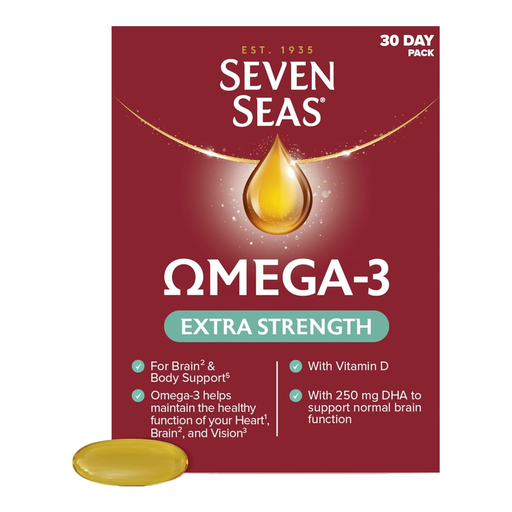
Why This Fits Their Persona: The 30-capsule pack offers a straightforward one-capsule-per-day routine for adults beginning to compare omega 3 and vitamin D options.
The label separates 1,250mg fish oil from 750mg omega 3, including 375mg EPA and 250mg DHA, making the active content clear.
One capsule per day; includes 10mcg vitamin D and a compact 30-capsule pack.
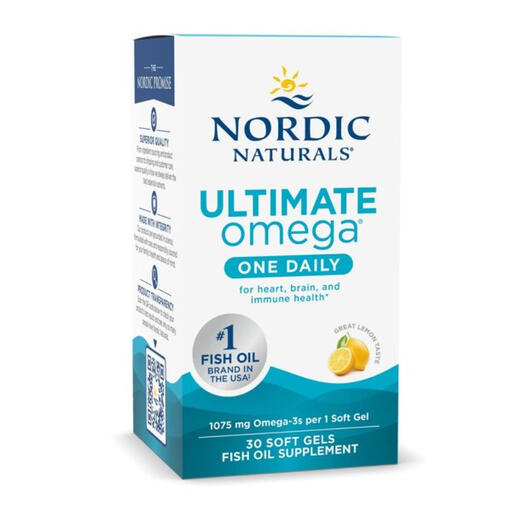
Why This Fits Their Persona: A once-daily softgel suits adults who want a concentrated fish oil routine without taking several capsules throughout the day.
The serving information states 1,075mg total omega 3s, including 562mg EPA and 438mg DHA, rather than relying only on a front-label strength claim.
One softgel per serving; lemon flavour; listed in re-esterified triglyceride form.
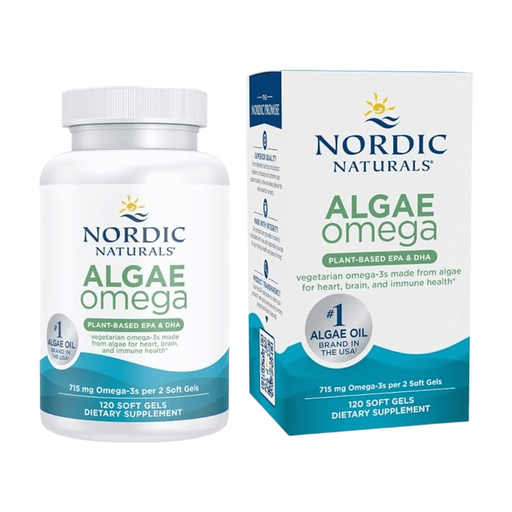
Why This Fits Their Persona: This algae omega 3 option avoids fish-derived ingredients and provides a plant-based EPA and DHA combination for adults.
The stated source is marine algal oil, with 715mg total omega 3s per serving rather than an unspecified plant oil.
Provides 195mg EPA and 390mg DHA; suitable for vegetarian and vegan diets according to the product information.
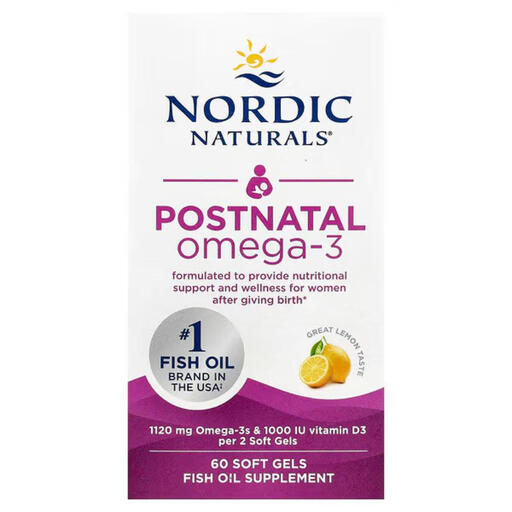
Why This Fits Their Persona: The formulation is specifically labelled for postnatal women and provides a concentrated EPA and DHA serving alongside vitamin D3.
The serving panel identifies 1,120mg total omega 3s, including 586mg EPA, 456mg DHA and 25mcg vitamin D3.
Lemon flavour; rTG fish oil format; clearly labelled postnatal positioning.
We have compiled a complete, real-time list of products that fully satisfy these strict selection criteria and UK safety regulations.
Shelf life varies by product and should be checked on the packaging. Store softgels in a cool, dry place away from direct sunlight. Liquid products may require refrigeration after opening and may have a shorter use period.
Many products advise taking softgels with food. This can also make the routine easier to remember. Follow the specific instructions on the product label rather than assuming every formula has identical directions.
Some are, but check both the oil source and capsule shell. Products made with algal oil and a vegan capsule are designed for this dietary requirement, while fish oil and gelatin softgels are not. Always review the current ingredient list before purchase.