
24/7 Customer Support

Free returns

Same-day & Next-day Delivery

Quality Guaranteed

Unlock Your Welcome Offers: FREE Delivery | Up to 80% OFF | Free 30-day JoyPlus trial
Download the APP
Choosing omega-3 supplements in the UK can look straightforward until you compare the labels. A large capsule may contain plenty of fish oil but relatively little EPA and DHA, while an “extra strength” product may be unsuitable for someone already taking vitamin D or prescribed medication.
The right choice depends on the source, nutrient quantity, dietary requirements and how easily the product fits your daily routine. This guide explains the main buying traps and compares practical options available through Joybuy.
“1,000mg fish oil” does not necessarily mean 1,000mg of omega-3. Fish oil usually contains a combination of fatty acids, so check the nutrition panel for total omega-3s, then look specifically for EPA and DHA.
For example, a product may list 1,250mg fish oil but provide 750mg omega-3, including 375mg EPA and 250mg DHA. These figures are more useful for comparing omega-3 capsules than the oil weight alone.
Some formulas combine omega-3 with vitamin D, vitamin E, turmeric, probiotics or additional omega-6 and omega-9. These combinations can be convenient, but they may create unnecessary nutrient overlap if you already take a multivitamin or other fish oil softgels.
Always check the full ingredient list and the recommended daily dose. Do not assume that a product labelled “high-strength omega-3” is suitable for everyone.
Traditional omega-3 fish oil comes from marine sources and is unsuitable for people with fish allergies or those following a vegetarian or vegan diet. Vegan omega-3 and algae omega-3 products use microalgae oil instead, with some providing DHA only and others supplying both EPA and DHA.
Capsule material also matters. Many fish oil softgels use gelatine, while vegan products commonly use tapioca or modified starch shells.
EPA and DHA are the two figures to prioritise when comparing EPA and DHA supplements. EPA is commonly highlighted in products designed for higher EPA intake, while DHA is often central to brain and eye nutrition formulas.
Look for the amount per serving rather than per capsule. A two-softgel serving may provide 1,120mg total omega-3, including 586mg EPA and 456mg DHA. Another product may provide 250mg DHA in one vegan softgel. Neither is automatically suitable for every shopper; the difference is the intended nutritional profile and serving format.
Fish oil, cod liver oil, salmon oil and algae oil have different ingredient profiles:
Fishy aftertaste is a common reason people stop taking supplements. Lemon or strawberry-flavoured softgels may be preferable for daily use, while mini capsules can help if standard softgels are difficult to swallow.
Also compare the number of capsules with the serving size. A 60-softgel bottle taken at two per day lasts 30 days, while a 120-softgel bottle taken once daily lasts approximately four months. Store products in a cool, dry place and follow any refrigeration instructions after opening.
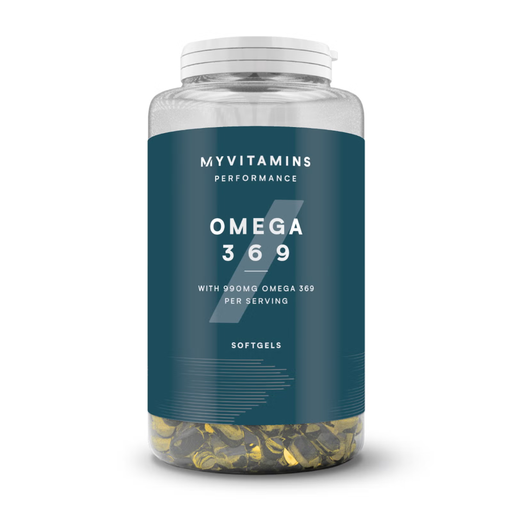
Why This Fits Their Persona: A practical starting point for adults wanting a larger pack and a one-softgel daily routine, with fish oil combined with flaxseed and sunflower oils.
The label identifies fish oil, flaxseed oil and sunflower oil rather than presenting the 1,000mg figure as pure EPA and DHA. This makes the blend easier to assess before purchase.
120 softgels; one softgel per day; combines omega-3, omega-6 and omega-9 oils.
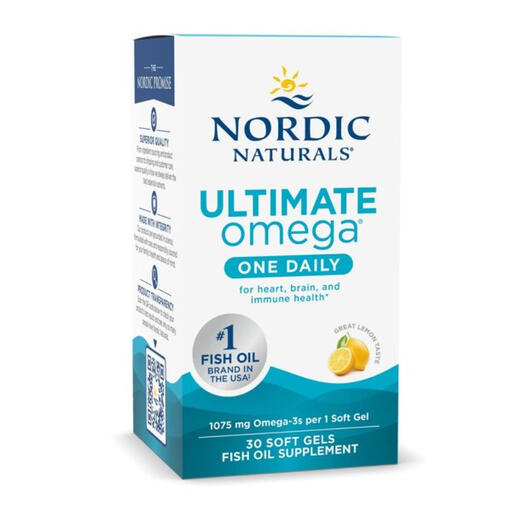
Why This Fits Their Persona: Suitable for adults who value a concentrated once-daily serving and prefer a lemon flavour rather than an unflavoured fish oil capsule.
The serving panel clearly states 1,075mg total omega-3s, including 562mg EPA and 438mg DHA, so the strength can be compared directly.
One softgel daily; lemon flavour; rTG fish oil; 562mg EPA and 438mg DHA per serving.
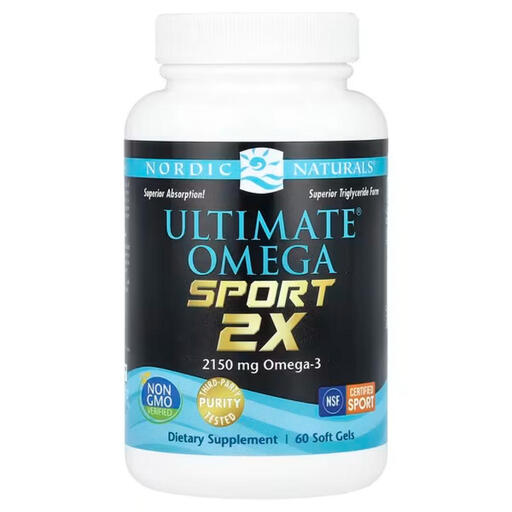
Why This Fits Their Persona: Designed for adults seeking a higher daily omega-3 serving, including active shoppers who want EPA and DHA figures clearly stated per two-softgel serving.
It separates total omega-3 from the fish oil quantity and states 1,640mg EPA plus 490mg DHA per serving, preventing strength comparisons based only on capsule size.
2,150mg total omega-3 per serving; 60 softgels; lemon flavour; triglyceride form listed.
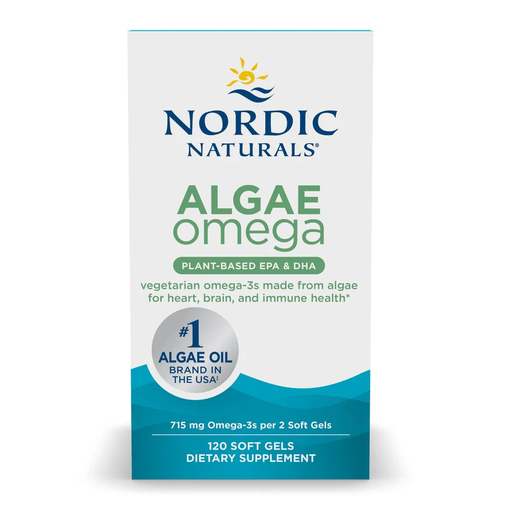
Why This Fits Their Persona: A fish-free alternative for vegans, vegetarians and adults who prefer algae omega-3 with both EPA and DHA.
The product information identifies marine algal oil and a vegan capsule, while stating 195mg EPA and 390mg DHA per serving.
Vegan softgels; 715mg total omega-3; supplies EPA and DHA; free from fish-derived ingredients.
We have compiled a complete, real-time list of products that fully satisfy these strict selection criteria and UK safety regulations.
Follow the product label and take the recommended serving with food where instructed. This may make the routine easier and can be suitable for oil-based softgels. Do not exceed the stated dose or combine several high-strength products without checking their combined EPA, DHA, vitamin D or vitamin A content.
Divide the number of softgels by the daily serving. A 60-softgel product taken at two per day lasts 30 days; a 120-softgel product taken at one per day lasts approximately four months. Check the label because serving sizes vary.
Do not select a general product solely because it contains DHA. Prenatal omega-3 products have specific formulations, but pregnant or breastfeeding women should check the product warnings and consult a healthcare professional before use. This is particularly important when the product also contains vitamin D, vitamin A or other supplements.