
24/7 Customer Support

Free returns

Same-day & Next-day Delivery

Quality Guaranteed

Unlock Your Welcome Offers: FREE Delivery | Up to 80% OFF | Free 30-day JoyPlus trial
Download the APP
Choosing omega-3 supplements can seem straightforward until you compare EPA, DHA, fish oil concentration, serving sizes and added nutrients. A large capsule count does not necessarily mean a high-strength formula, while a product labelled “omega-3” may provide a different fatty acid profile from the one you actually want.
This guide from the Joybuy Product Recommendation Officer explains the key specifications to check, common buying traps and suitable options for different UK lifestyles.
A bottle may state that each capsule contains 1,000mg of fish oil. That does not mean it contains 1,000mg of EPA and DHA. The important figures are the amounts of EPA, DHA and total omega-3 per serving.
For example, a product containing 1,250mg fish oil may provide 750mg omega-3, including 375mg EPA and 250mg DHA. Always compare the active omega-3 content rather than the total oil weight.
Some omega-3 softgels provide a concentrated serving in one capsule, while others require two or more capsules daily. A lower daily capsule count can be more convenient, but check the total EPA and DHA before deciding.
Flavour also matters. Lemon, strawberry or other natural flavours may help reduce fishy aftertaste, while mini softgels or chewables can make daily use easier.
Many children’s and vegetarian supplements use flaxseed oil, which supplies ALA, another type of omega-3. ALA is not the same as the EPA and DHA found in fish oil or algae oil.
If you follow a vegan diet or avoid fish, look for algae-derived DHA, and check whether EPA is included. Also check the capsule shell: a product can contain plant-based oil but still use gelatine.
For reference, the available products range from 250mg DHA in one vegan softgel to 2,150mg total omega-3 per two-softgel serving in a high-strength sports formula.
Fish oil commonly comes in softgels and may be supplied in triglyceride or re-esterified triglyceride form. Product labels may describe this as TG or rTG. Krill oil contains phospholipid-bound omega-3 and naturally occurring astaxanthin, but it is not suitable for people with crustacean allergies.
For vegan omega-3, algae oil is the relevant source. Check for:
Sustainability certifications, such as Friend of the Sea or MSC, can also help shoppers compare sourcing information where this is important to them.
Some formulas combine omega-3 with vitamin D supplements, turmeric, probiotics or multivitamins. This can be convenient, but it increases the importance of checking for overlapping ingredients.
In the UK, compare vitamin D amounts with the product label and your other supplements. Anyone taking anticoagulants, blood-glucose medication or other long-term medicines should speak to a pharmacist or healthcare professional before use. Pregnant or breastfeeding people should seek individual advice before starting a new product.
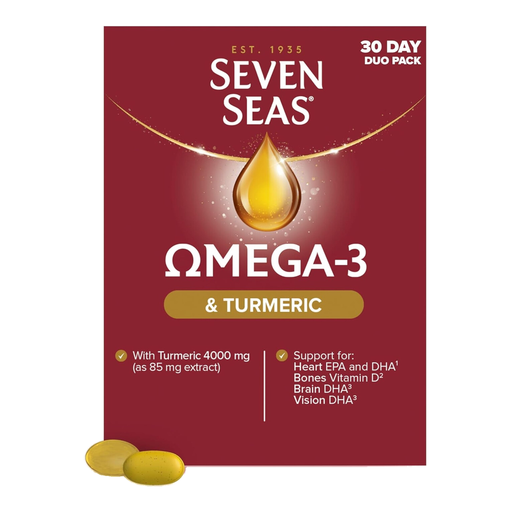
Why This Fits Their Persona: A one-month pack with one capsule and one tablet per daily serving suits adults wanting a combined omega-3, turmeric, vitamin D and vitamin E routine.
The label separates fish oil from its omega-3 contribution: 500mg fish oil provides 300mg omega-3, including 150mg EPA and 100mg DHA.
30-day format; includes 10µg vitamin D and 85mg turmeric extract per daily serving.
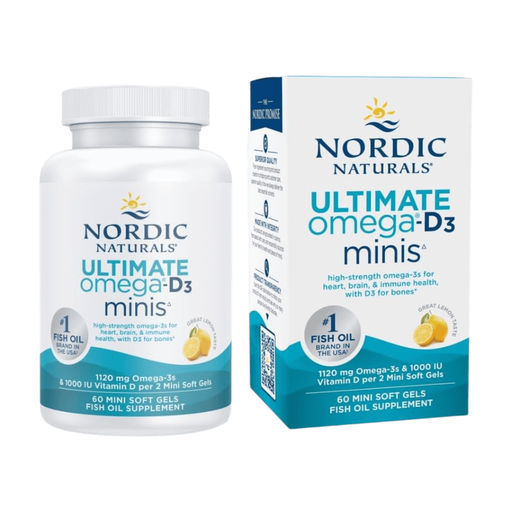
Why This Fits Their Persona: Adults seeking a concentrated daily formula with a lemon flavour, small softgels and added vitamin D3 may find this format practical.
It clearly lists 1,120mg total omega-3 per two-softgel serving, rather than presenting fish oil weight alone.
586mg EPA, 456mg DHA and 25mcg vitamin D3 per serving; mini softgel design.
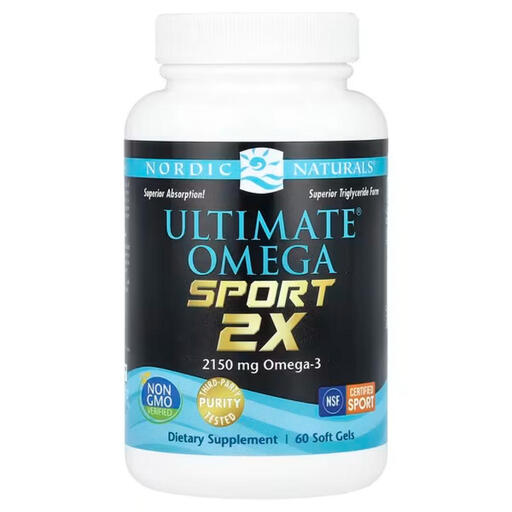
Why This Fits Their Persona: Active adults comparing high-strength omega-3 supplements may prefer a two-softgel serving with a clearly stated EPA-heavy profile.
The product gives separate EPA and DHA values, making it easier to compare with standard fish oil rather than relying on “2X” wording.
2,150mg total omega-3 per serving, including 1,640mg EPA and 490mg DHA; rTG form.
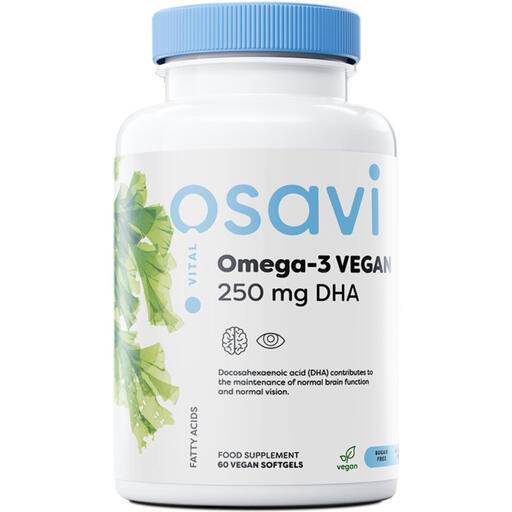
Why This Fits Their Persona: A plant-based option for UK vegetarians and vegans who want DHA without fish oil, gelatine, gluten, lactose or soya.
It uses algae oil rather than flaxseed oil and states the DHA quantity directly: 250mg per vegan softgel.
One softgel daily; tapioca capsule and algae-derived DHA.
We have compiled a complete, real-time list of products that fully satisfy these strict selection criteria and UK safety regulations.
Follow the serving instructions on the label and take softgels with food where directed. Do not exceed the recommended daily amount. Check the ingredients if you already use vitamin D supplements, multivitamins or another fish oil product.
Shelf life varies by product. Store capsules in a cool, dry place away from sunlight and heat, and follow the label’s storage instructions. Some products recommend refrigeration after opening. Do not use a supplement if the tamper-evident seal is broken or if the product has an unusual smell or appearance.
Some prenatal omega-3 products are specifically formulated for pregnancy and lactation, but suitability depends on the full ingredients, dosage and your circumstances. Pregnant or breastfeeding people should check with a midwife, GP or pharmacist before use, particularly when taking vitamin D, prescription medicines or other supplements.