
24/7 Customer Support

Free returns

Same-day & Next-day Delivery

Quality Guaranteed

Unlock Your Welcome Offers: FREE Delivery | Up to 80% OFF | Free 30-day JoyPlus trial
Download the APP
Choosing omega-3 supplements should be straightforward, but product labels often make comparison harder than it needs to be. A large number on the front of a bottle may refer to total fish oil rather than the EPA and DHA you actually want to compare. Capsule size, flavour, dietary suitability and added nutrients can also affect whether a product fits your routine.
This guide explains the key details to check before buying, highlights common marketing traps and matches several options to different UK shopping needs.
A capsule labelled “1,000mg fish oil” does not necessarily provide 1,000mg of omega-3. Fish oil can contain a mixture of fatty acids, so check the nutrition panel for the separate amounts of:
For example, a product may list two capsules as one serving. Comparing it with a product that lists one capsule per serving can give a misleading impression of strength.
High-strength omega-3 products can be useful for adults specifically looking for concentrated EPA and DHA, but they may not suit everyone. Larger softgels can be harder to swallow, while a high-potency serving may be unnecessary if you simply want everyday nutritional support.
Consider the amount per daily serving, the number of capsules required and whether the formula includes additional ingredients such as vitamin D3.
Fish oil capsules may leave an unpleasant aftertaste or cause fishy reflux for some people. Lemon-, orange- or strawberry-flavoured products can be more appealing for regular use, although individual preferences vary.
Always check the allergen panel. Standard fish oil capsules contain fish, krill oil capsules contain crustaceans, and many softgels use gelatine. Vegan DHA supplements generally use algae oil with a tapioca-based capsule instead.
EPA and DHA are the main figures to compare across fish oil capsules and other omega-3 softgels. A formula with more EPA may appeal to shoppers prioritising EPA-focused nutrition, while a balanced EPA and DHA profile may be more suitable for general daily use.
Examples from the available range include:
These figures are product specifications, not a recommendation to take a particular amount. Follow the serving instructions on the label.
Some products use triglyceride-form omega-3, including re-esterified triglyceride (rTG), while others use a phospholipid structure. These formats describe how the fatty acids are carried within the oil.
The Nordic Naturals Ultimate 2X Sport, for example, is listed in triglyceride form and provides 2,150mg total omega-3 per two softgels. The Nordic Naturals Phospholipids formula provides 500mg total omega-3 and 350mg total phospholipids per two softgels.
The practical priority is to compare the actual EPA and DHA content, serving size and the manufacturer’s directions rather than relying on phrases such as “advanced absorption” alone.
An omega-3 with vitamin D3 may be convenient if you already want both nutrients in one product. Several formulas provide 25mcg (1,000 IU) of vitamin D3 per serving, including selected Nordic Naturals and NOW Foods products.
However, check your existing supplements to avoid unintentionally duplicating nutrients. Pregnant or postnatal shoppers should look for products clearly labelled for that life stage and discuss supplementation with a healthcare professional, particularly when taking medicines or managing a medical condition.
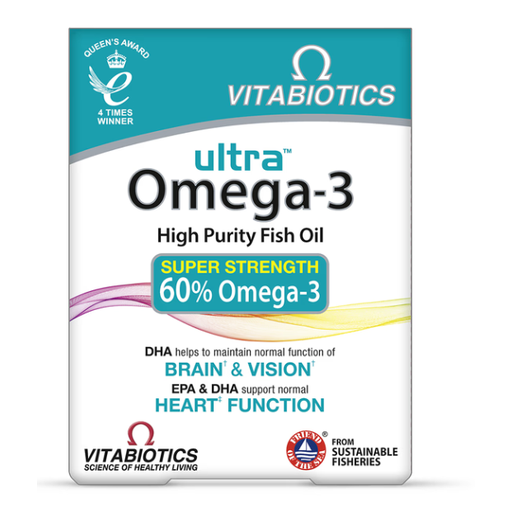
Why This Fits Their Persona: A two-capsule daily serving provides a clearly stated EPA and DHA quantity, making it easier for first-time buyers to understand what they are purchasing.
The label states 355mg EPA and 235mg DHA per two capsules rather than relying only on a total fish oil figure.
Orange-flavoured capsule shell; includes 11mg natural vitamin E per two-capsule serving.
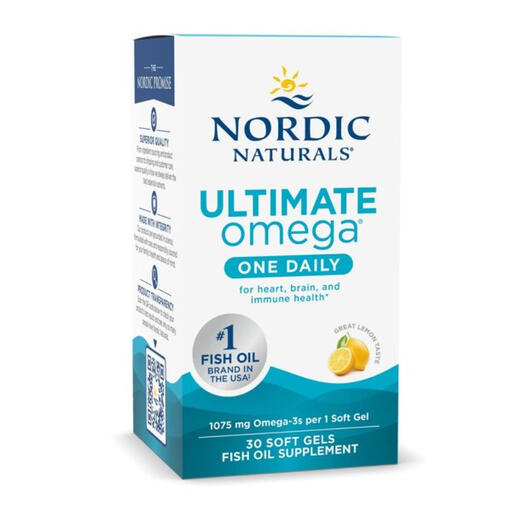
Why This Fits Their Persona: The once-daily format suits adults who prefer a concentrated routine with a lemon-flavoured softgel.
The serving is one softgel, so the stated 1,075mg total omega-3, including 562mg EPA and 438mg DHA, is easy to interpret.
Uses rTG form; natural lemon flavour; wild-caught anchovy and sardine fish oil listed.
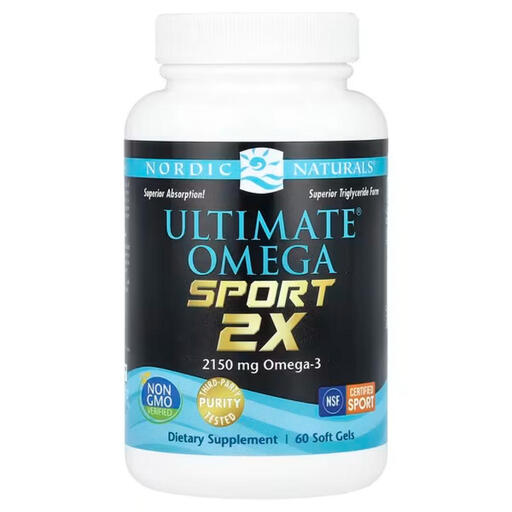
Why This Fits Their Persona: Designed for adults seeking a high-potency EPA and DHA supplement, including active people who prefer fewer capsules for a stronger daily serving.
Its product panel separates 2,150mg total omega-3 into 1,640mg EPA and 490mg DHA per two-softgel serving.
rTG format; concentrated EPA-led profile; lemon flavour listed by the manufacturer.
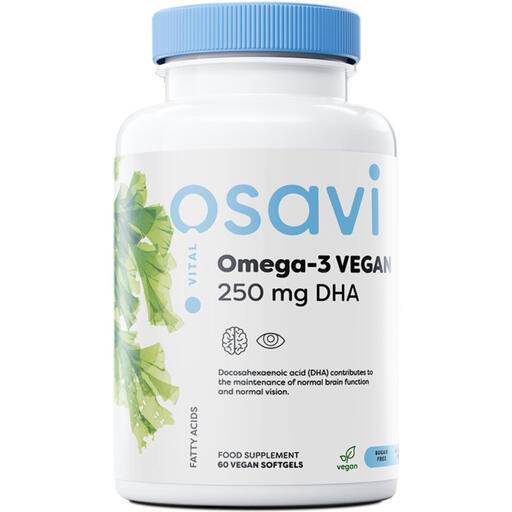
Why This Fits Their Persona: A practical choice for vegetarians and vegans in the UK who want DHA without fish oil or gelatine.
The source is clearly identified as algae oil, with a vegan tapioca softgel rather than a fish-derived capsule.
Provides 250mg DHA per softgel; listed as free from gluten, lactose, soy and GMO ingredients.
We have compiled a complete, real-time list of products that fully satisfy these strict selection criteria and UK safety regulations.
Most products are directed to be taken with food, often with a main meal. Follow the serving instructions on the specific label and swallow softgels whole unless the packaging says otherwise.
Yes. Check the best-before date, batch details and storage instructions. Keep bottles away from heat, humidity and direct sunlight. Some products advise refrigeration after opening, so follow the product label.
No. Fish oil capsules contain fish, while krill oil capsules contain crustaceans. People with allergies should avoid relevant products. If you are pregnant, breastfeeding, taking anticoagulants or managing a medical condition, seek advice from a healthcare professional before starting a supplement.